News


NVIDIA SHIELD Android TV OTA Update Improves HTPC Credentials
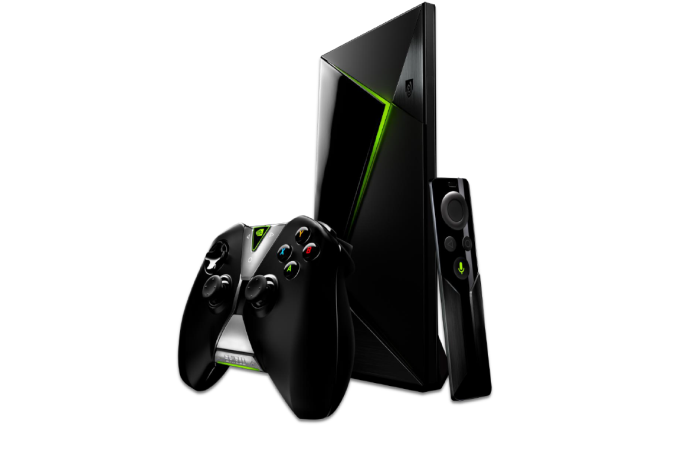
NVIDIA SHIELD Android TV OTA Update Improves HTPC Credentials

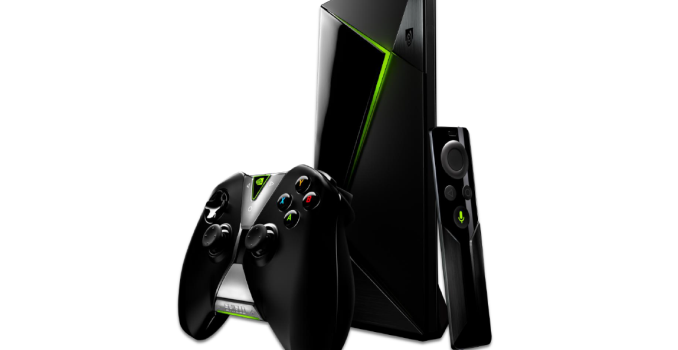
The NVIDIA SHIELD Android TV was launched back in May with the intent to dominate the over-the-top set-top-box (OTT STB) landscape. Premium features such as full HDMI 2.0a support and HEVC Main10 decoding enabled the coveted Netflix 4K certification. No other set top box (including the recently announced 2015 Apple TV and the Amazon 4K Fire TV) has anything close to the SHIELD Android TV in terms of advertised hardware and software capabilities. Our review, however, pointed out a few missed opportunities. Aside from the experience with Android TV as a software platform (something for which NVIDIA is not directly responsible), we had indicated that NVIDIA could have done a better job of codec licensing and configurability to cater to HTPC enthusiasts. Today, NVIDIA is announcing an OTA update to address some of those issues.

Today’s OTA update (v2.0) brings a notable set of features for local media streaming

  • Expanded codec and container support:
    • Adds pass-through support for Dolby TrueHD and DTS-HD Master Audio lossless audio*
    • Adds MPEG2, VC-1, and WMV9 hardware-acceleration
    • Adds M2TS, ASF, and WMV container support for VC-1
    • Adds WMA audio support (including WMA Pro, and WMA Lossless)

Currently, the above set of features are available for use in the native Android Video and Photo apps. NVIDIA is working closely with third-party app developers (including Kodi and MX Player) to ensure that these media players will also be able to take advantage of the newly added features.

The other important feature that is being made available is the ability to set the display refresh rate to 23.976 Hz. Currently, it is a static setting available under Settings > Device > HDMI > Resolution. Only 60 Hz (US) / 50 Hz (Europe) and 23.976 Hz are currently available, and the UI is also set to the selected refresh rate. However, NVIDIA expects third-party app developers to be able to dynamically alter the display refresh rate based on the content frame rate using the new APIs. This will be important since consumers should not be playing games or actually be navigating the user interface at 23.976 Hz. Syncing up the display refresh rate to the content frame rate should hopefully turn out to be a transparent exercise with the third-party apps.

The new firmware also brings support for overscan adjustment (particularly useful for display sinks that tend to overscan, resulting in a cropped view of the interface). Most TVs don’t need this.

Other enhancements include native 4K rendering for select Android games (Beach Buggy Racing, Bombsquad, Hardwood Solitaire IV, Riptide GP 2, Kosmik Revenge, Video Poker Duel, Leo’s Fortune, Machinarium, Meltdown, Never Alone, Samurai II, and Sky Gamblers: Storm Raiders), ability to transfer data between USB storage and a microSD card, ability to manually turn off the SHIELD controller and lowering the audio latency by as much as 40ms compared to standard Android. The last aspect is especially important for gaming, and it will be one of the prime reasons to pick up the update before checking out the GeForce NOW cloud game streaming service that is getting launched today.

NVIDIA has also updated the table comparing the SHIELD Android TV to the competition. The latest version is reproduced below. As usual, these are NVIDIA’s claims and need to be taken with a pinch of salt.

We did go through the various aspects with concrete ‘yes’ or ‘no’ answers and the table seems to line up well with the actual specifications of the competitors’ products. The SHIELD Android TV continues to justify the premium flagship tag despite recent entrants such as the 2015 Apple TV and the Amazon 4K Fire TV. NVIDIA’s willingness to also focus on local media playback is good news for the general consumers as well as HTPC enthusiasts. For this reason alone, we can and do recommend the SHIELD Android TV over competing OTT STBs.


The Corsair RM1000x and RM1000i 1000W Power Supply Review

Just over a year and a half ago we had our first encounter with Corsair’s RM PSU series. The company upgraded their highly successful quiet PSU series and split it into two sub-series, the RMi and the RMx. Today we are having a look at the 1kW versions of the upgraded series, the RM1000i and the RM1000x, investigating their upgrades, performance and differences.

The Corsair RM1000x and RM1000i 1000W Power Supply Review

Just over a year and a half ago we had our first encounter with Corsair’s RM PSU series. The company upgraded their highly successful quiet PSU series and split it into two sub-series, the RMi and the RMx. Today we are having a look at the 1kW versions of the upgraded series, the RM1000i and the RM1000x, investigating their upgrades, performance and differences.

HP Announces New EliteBook Business Notebooks PCs with AMD PRO A-Series APUs

HP Announces New EliteBook Business Notebooks PCs with AMD PRO A-Series APUs

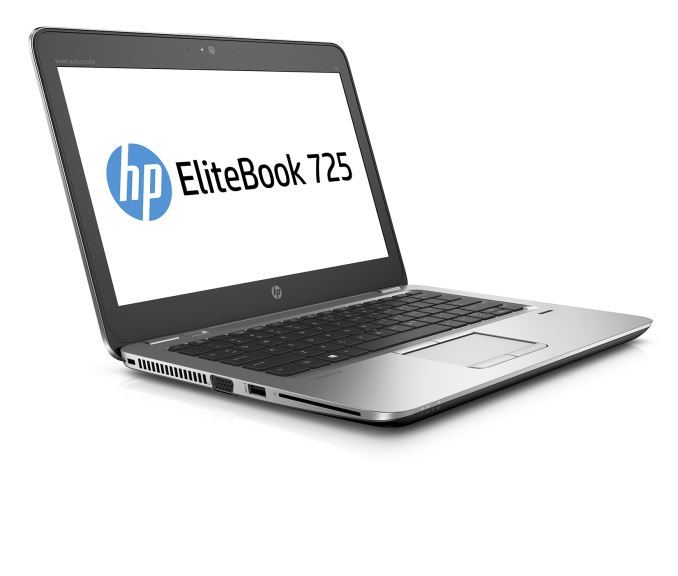
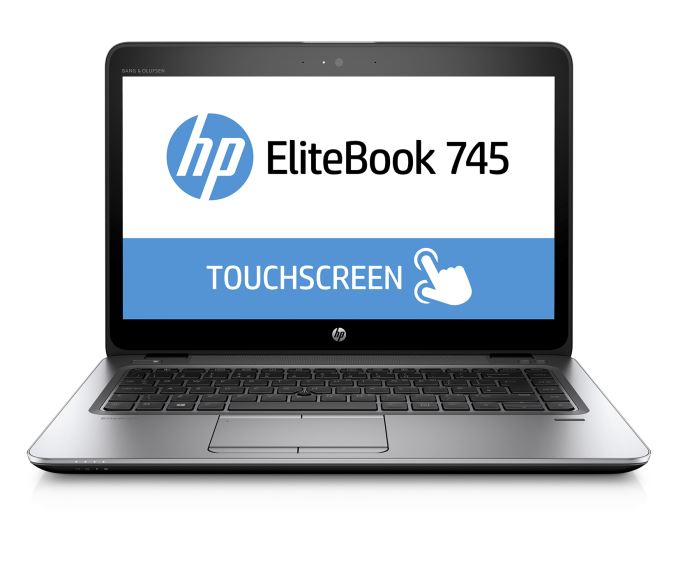
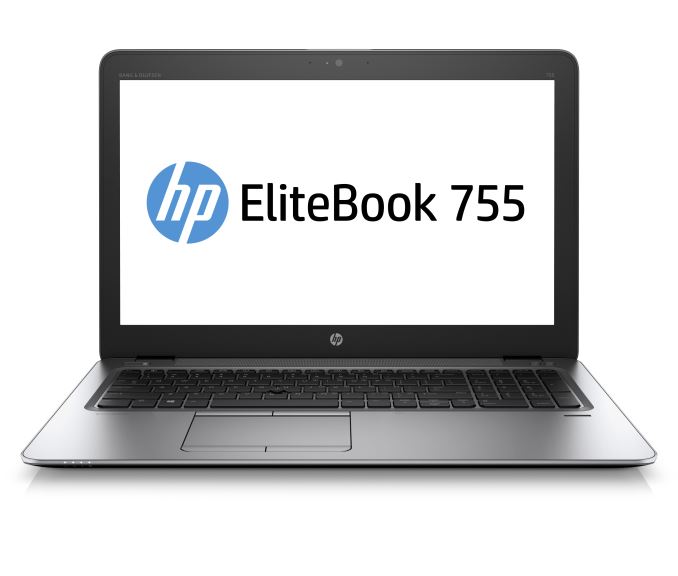
HP’s Elite lineup is targeted towards business and professional users, and today HP is announcing a big refresh of the lineup. One interesting twist is that HP has partnered with AMD on these devices, and will be utilizing AMD PRO A-Series processors in both their desktops and notebooks. In addition to the other features of Carrizo such as HEVC decoding, the PRO lineup is AMD’s take on Intel’s vPro technology and should fit in well with HP’s goals with these machines.

There are three new notebook models with 12.5-inch, 14-inch, and 15-inch display sizes. The MIL-Spec tested notebooks will be offered with a wide range of options, but will be powered by the AMD A12, A10, or A8 APU models and 16 GB of memory. HP will be offering accessories like fingerprint readers and LTE as well. They also offer HP’s Sure Start BIOS which will automatically correct the BIOS if it finds there is an issue – whether malicious or not. HP will also be offering a choice of operating system from Windows 10 to Windows 7, and FreeDOS 2.0 as well. The displays are all SVA panels, with (unfortunately) 1366×768 as the base option on all three laptops, with 1920×1080 optional, or the 14-inch model can also be had with 2560×1440. On the networking side, HP has gone with Broadcom for Wi-Fi, and Qualcomm’s X5 LTE model is optional.

HP EliteBook
  EliteBook 725 G3 EliteBook 745 G3 EliteBook 755 G3
APU AMD PRO A12-8800B 2.1-3.4 GHz quad-core R7 GPU
AMD PRO A10-8700B 1.8-3.2 GHz quad-core R6 GPU
AMD PRO A8-8600B 1.6-3.0 GHz quad-core R6 GPU
Memory 16GB DDR3L
Display 12.5″ 1366-768 SVA
1920×1080 optional
Touch optional on 1080p
14.0″ 1366-768 SVA
1920×1080 and 2560×1440 optional
Touch optional on 1080p
15.6″ 1366-768 SVA
1920×1080 optional
Touch optional on 1080p
Storage 180-240 GB M.2 SSD
500GB-1TB SATA HDD
128-512 GB M.2 SSD
up to 256 GB M.2 PCIe SSD
500GB-1TB SATA HDD
128-512 GB M.2 SSD
up to 256 GB M.2 PCIe SSD
500GB-1TB SATA HDD
I/O 1 x USB Type-C
1 x DisplayPort
1 x VGA
2 x USB 3.0
SDXC
RJ-45
Docking Connector
Dimensions (mm) : 311 x 219 x 18.9
(inches) : 12.2 x 8.6 x 0.74
(mm) : 338 x 237 x 18.9
(inches) : 13.3 x 9.3 x 0.74
(mm) : 383 x 258 x 19.4
(inches) : 15.1 x 10.1 x 0.76
Weight 1.26 kg / 2.78 lbs 1.54 kg / 3.41 lbs 1.88 kg / 4.15 lbs
Battery 44 Wh 46 Wh 46 Wh
Price $749+

The notebooks have a nice magnesium chassis with a bit more flash than your traditional business PC. HP also includes spill-resistant keyboards, docking connectors, and RJ-45 on all models, and yes, even a VGA port which seems like it can’t ever go away.

The new models should be available in September starting at $749.

Source: HP

HP Announces New EliteBook Business Notebooks PCs with AMD PRO A-Series APUs

HP Announces New EliteBook Business Notebooks PCs with AMD PRO A-Series APUs

HP’s Elite lineup is targeted towards business and professional users, and today HP is announcing a big refresh of the lineup. One interesting twist is that HP has partnered with AMD on these devices, and will be utilizing AMD PRO A-Series processors in both their desktops and notebooks. In addition to the other features of Carrizo such as HEVC decoding, the PRO lineup is AMD’s take on Intel’s vPro technology and should fit in well with HP’s goals with these machines.

There are three new notebook models with 12.5-inch, 14-inch, and 15-inch display sizes. The MIL-Spec tested notebooks will be offered with a wide range of options, but will be powered by the AMD A12, A10, or A8 APU models and 16 GB of memory. HP will be offering accessories like fingerprint readers and LTE as well. They also offer HP’s Sure Start BIOS which will automatically correct the BIOS if it finds there is an issue – whether malicious or not. HP will also be offering a choice of operating system from Windows 10 to Windows 7, and FreeDOS 2.0 as well. The displays are all SVA panels, with (unfortunately) 1366×768 as the base option on all three laptops, with 1920×1080 optional, or the 14-inch model can also be had with 2560×1440. On the networking side, HP has gone with Broadcom for Wi-Fi, and Qualcomm’s X5 LTE model is optional.

HP EliteBook
  EliteBook 725 G3 EliteBook 745 G3 EliteBook 755 G3
APU AMD PRO A12-8800B 2.1-3.4 GHz quad-core R7 GPU
AMD PRO A10-8700B 1.8-3.2 GHz quad-core R6 GPU
AMD PRO A8-8600B 1.6-3.0 GHz quad-core R6 GPU
Memory 16GB DDR3L
Display 12.5″ 1366-768 SVA
1920×1080 optional
Touch optional on 1080p
14.0″ 1366-768 SVA
1920×1080 and 2560×1440 optional
Touch optional on 1080p
15.6″ 1366-768 SVA
1920×1080 optional
Touch optional on 1080p
Storage 180-240 GB M.2 SSD
500GB-1TB SATA HDD
128-512 GB M.2 SSD
up to 256 GB M.2 PCIe SSD
500GB-1TB SATA HDD
128-512 GB M.2 SSD
up to 256 GB M.2 PCIe SSD
500GB-1TB SATA HDD
I/O 1 x USB Type-C
1 x DisplayPort
1 x VGA
2 x USB 3.0
SDXC
RJ-45
Docking Connector
Dimensions (mm) : 311 x 219 x 18.9
(inches) : 12.2 x 8.6 x 0.74
(mm) : 338 x 237 x 18.9
(inches) : 13.3 x 9.3 x 0.74
(mm) : 383 x 258 x 19.4
(inches) : 15.1 x 10.1 x 0.76
Weight 1.26 kg / 2.78 lbs 1.54 kg / 3.41 lbs 1.88 kg / 4.15 lbs
Battery 44 Wh 46 Wh 46 Wh
Price $749+

The notebooks have a nice magnesium chassis with a bit more flash than your traditional business PC. HP also includes spill-resistant keyboards, docking connectors, and RJ-45 on all models, and yes, even a VGA port which seems like it can’t ever go away.

The new models should be available in September starting at $749.

Source: HP