News


Comparing Snapdragon 810 v2 and v2.1: More Memory Bandwidth, Higher Clocks

Comparing Snapdragon 810 v2 and v2.1: More Memory Bandwidth, Higher Clocks

Around a few weeks before the launch of the Xiaomi Mi Note Pro, I was digging through kernel source to understand Snapdragon 810 and some other Qualcomm SoCs. We had kept track of MSM8994v1 and MSM8994v2, which were relatively well understood in terms of what they represented. V1 was an engineering sample variant, which was discussed as early as September in 2014. This variant set both the A57 and A53 clusters to a ~1 GHz maximum. V2 was the first mass production revision, which was present in both the LG G Flex 2, and HTC One M9. However, shortly before the launch of the Mi Note Pro, we noted references to v2.1 in various kernel source trees.

Immediately diving into the issue, what I found was that there wasn’t much of note about v2.1 other than a change to the chip ID and other identifying information, so any formal information on the changes between these revisions is scarce. Meanwhile phones that definitely didn’t have this variant of the SoC still had references to it in kernel source, which only made it all the harder to even identify v2.1 devices in the first place. Ultimately the only way to truly verify whether a device has a certain revision of an SoC is to either see whether the file is included in the compilation process or to verify the revision by checking the device itself.
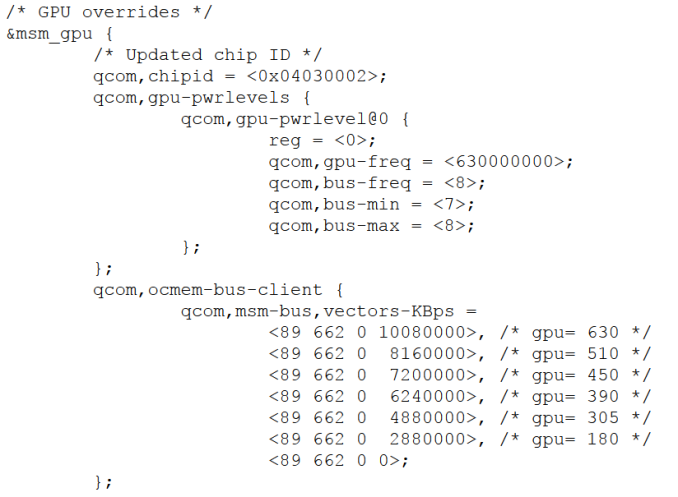
Our big break came with the release of the Xiaomi Mi Note Pro, which was among the first (if not the first) devices to incorporate a v2.1 SoC. After getting our hands on a sample of the Mi Note Pro, we were finally able to start piecing together everything in order to really understand what was going on with this new variant.

The first and most obvious change in v2.1 is a mild increase in GPU clocks from 600 to 630 MHz. This represents around a 5% increase in performance, which helps to close the gap with the 772-700 MHz Mali T760MP8 graphics processor used in the Exynos 7420 of the Samsung Galaxy S6. This is fairly obvious to anyone that runs a graphics benchmark on this new variant, although this is a best-case improvement as inefficiencies elsewhere can erode the difference.

The other differences are far more subtle. The first is that there’s noticeably less throttling on the A57 cluster compared to Snapdragon 810 v2. However even with that change – and unlike the Snapdragon 808 and competing SoCs – both variants of the Snapdragon 810 still see the unfortunate characteristic of ultimately forcing all threads off of the A57 cluster to stay within TDP limits in high load conditions, such as when running Basemark OS II’s battery test.

The second difference requires testing peak CPU bandwidth and latency between L1, L2, and main memory, which required digging into our in-house benchmark tools. In the interest of seeing 810’s maximum memory bandwidth, we put together a memory multithreaded memory benchmark that runs on multiple CPU cores, and combines read and write bandwidth to try and get as close as possible to maximum bandwidth available. The figures that we present here will represent a scenario where two threads, one reading and one writing will load the memory system simultaneously. This is done to try to saturate the main memory controller and to circumvent some of the quirks of ARM’s bus architecture, which has dedicated read and write ports, leading to only half the total possible bandwidth in each direction.

We’ve also tested against multiple other applications such as Rahul Garg’s RgBandwidth and RamBench to verify these observations. We also checked with instrumented runs that the CPU, memory controller, and CCI interconnect were all running at appropriate frequencies so these results should be largely unaffected by the governor due to the 100% duty cycle of the load during the test.
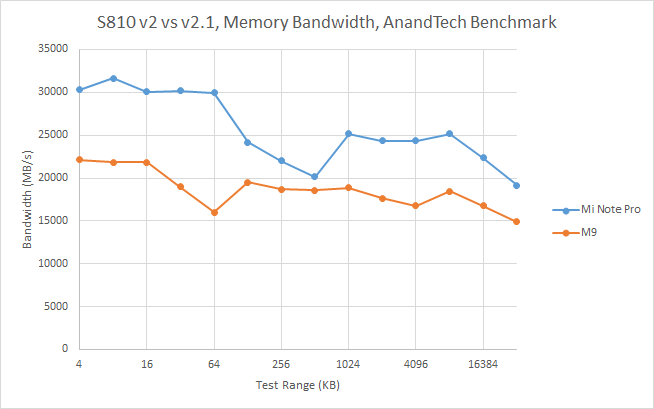
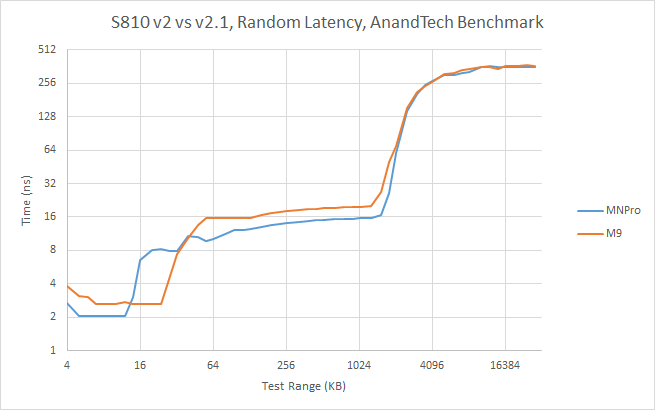
The graphs above are interesting, but they don’t really illustrate the relative difference between v2 and v2.1. To better show this, the graphs below represent the percent difference between the HTC One M9 and Xiaomi Mi Note Pro in this test, where positive values are an advantage in favor of Mi Note Pro, while negative values represent an advantage in favor of the One M9.
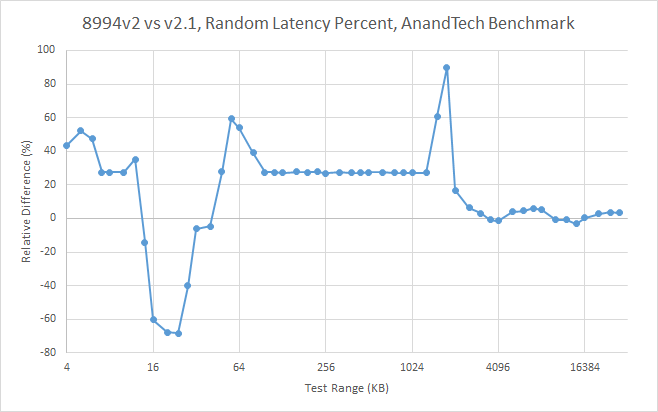
From the calculations, memory latency improves on an average of 15%, but this is mostly concentrated in the L1/L2 cache portion of the test, while the differences in DRAM are relatively small. If we change the scaling to show less of main memory, we can see that most of the variance is present in that portion of the test. Given that we’re looking at time on the order of nanoseconds, I wouldn’t think too hard about these differences either. The only interesting thing to note in the latency test is that the “memory mountain” model is still valid, where we can expect about an order of magnitude increase in latency for each level of cache that we miss, where L1 appears to take about 5 cycles at 2 GHz, then around 15 cycles for L2, then around 600-700 cycles for main memory. (To put that into comparison for PC CPUs, L3 cache usually hits up to 70 cycles and up to 150 cycles for Intel’s CrystalWell eDRAM before the jump out to main memory.)
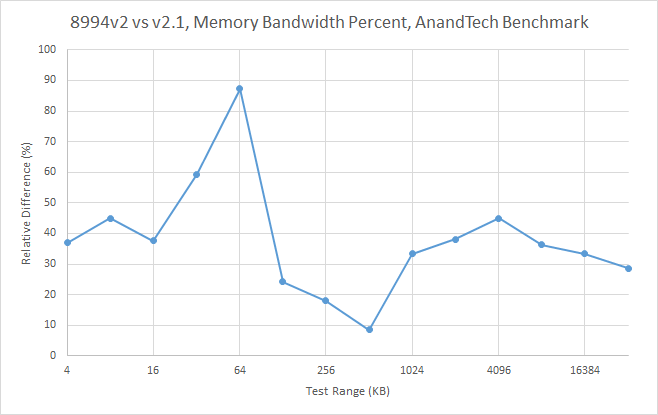
The memory bandwidth values are really much more interesting though, as there’s a consistent improvement in bandwidth across the board. There is some interesting behavior around L1 cache, but this is likely due to the previously mentioned ramp time for frequency scaling. If we just look beyond L2, into the main memory, the result is that there’s around a 33% increase in bandwidth, and a 38% average increase if we look at the entire sweep through memory.

Overall, for a 0.1 revision, Snapdragon 810 v2.1 is a pretty significant change where memory is concerned. We also see some improvements in terms of thermal management, but we yet have to fully characterize just how much this improvement is and if it’s enough to be able to compete with Samsung’s 14nm silicon in the Galaxy S6.

Meanwhile there were rumors floating around of a new revision due to show up in the summer, and it appears that this is the rumored revision. This leads me to question whether it made sense to release devices with the v2 revision, especially if future revisions would have resolved some notable issues and dramatically improved SoC performance. I also question whether OEMs would silently introduce these SoCs into later production runs of products that first shipped with v2, which is yet another can of worms.

Putting these questions aside, this new revision brings much-needed improvements to the Snapdragon 810, and should go a long way as a stop-gap until Snapdragon 820 begins shipping. We’ll see how the change from v2 to v2.1 affects performance on a higher level in our Xiaomi Mi Note Pro review coming shortly.
Amazon Updates The Kindle Paperwhite

Amazon Updates The Kindle Paperwhite

The venerable Kindle is one of my favorite tech devices. I owned the Kindle 3, but the obvious shortcoming was the lack of lighting, forcing me to use a case with a clumsy light attached. The minute the original Kindle Paperwhite was announced, I quickly ordered a couple of them and they are to this day one of my favorite pieces of technology. The Paperwhite added a “light guide” layer to the display to evenly distribute the light from the LEDs found in the bezel, which gives the e-ink display the bright white image and makes it much easier to use in dim or dark scenarios.

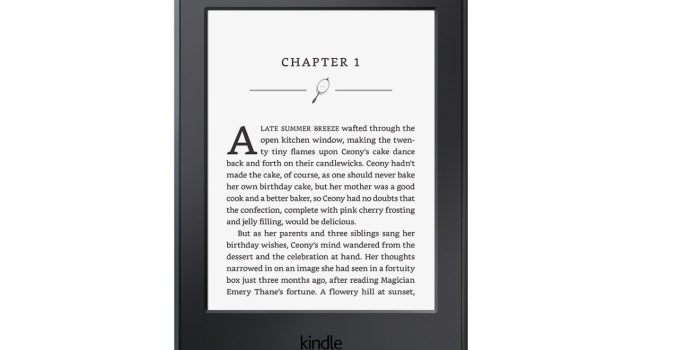
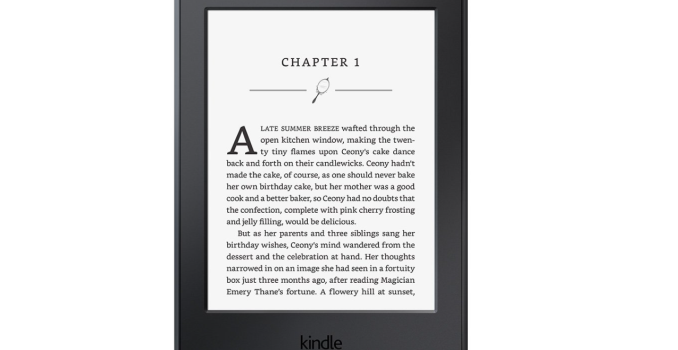
In 2014, Amazon released the Kindle Voyage to the US market, which is their highest end Kindle yet. It features a 300 ppi e-ink display. Today, that same display is making its way to the mid-stream priced Kindle Paperwhite which should give it even better text rendering. The new version of the Carta e-paper display has double the pixels of the outgoing model.

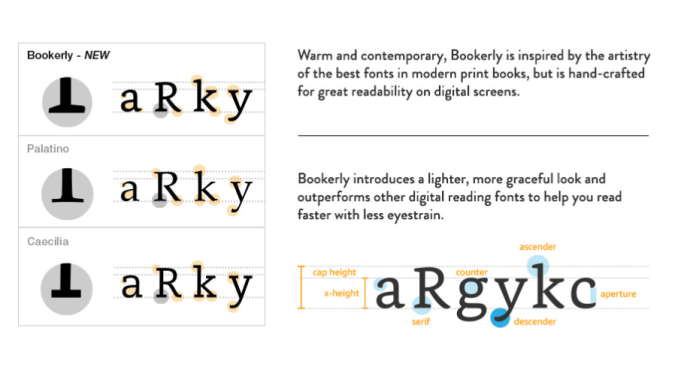
Amazon is also offering the choice of a new font called Bookerly, which was created specifically for reading on digital screens: “Bookerly is inspired by the artistry of the best fonts in modern print books, but is hand-crafted for great readability at any font size.”

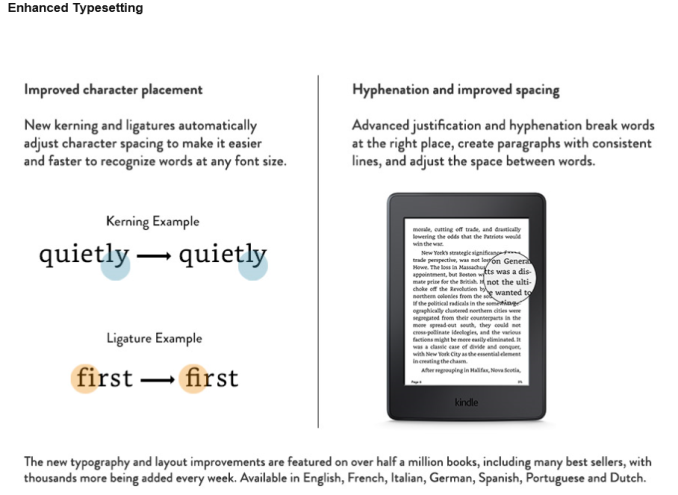
Also announced is a new typesetting engine which is listed as “coming soon” which offers improved character placement. They have adjusted the character spacing and the new typesetting engine will do a better job of justification and hyphenation of break words to create more consistent paragraph layouts. Amazon states that this will let you read faster with less eyestrain than the current engine.

The current features like note taking and word lookup are of course staying, but will be joined by new features like Page Flip which lets you skim ahead without losing your place. I prefer to read a book the way it was written, but I know a couple of people who like to look ahead and see what’s going to happen so this will be a nice feature for them.

Amazon Kindle Paperwhite Specifications
Display 6″ Paperwhite display with Carta e-paper technology and built-in light
300 ppi, optimized font technology, 16-level gray scale
Size 6.7″ x 4.6″ x 0.36″
(169 mm x 117 mm x 9.1 mm)
Weight 7.2 ounces (205 grams) Wi-Fi
7.6 ounces (217 grams) Wi-Fi plus 3G
System Requirements None; fully wireless and no computer required
Battery Life A single charge lasts up to six weeks
(30 minutes of reading per day, wireless off and light setting at 10)
Battery life will vary based on light and wireless usage
Charge Time Approximately 4 hours from a computer via USB cable
Wi-Fi Connectivity 802.11n (WEP, WPA, WPA2 security)
Wi-Fi Protected Setup (WPS)
Optional 3G Wireless on Paperwhite 3G
Content Formats Supported Kindle Format 8 (AZW3)
Kindle (AZW)
TXT
PDF
Unprotected MOBI
PRC natively
HTML
Word (DOC, DOCX)
JPEG, GIF, PNG, BMP (through conversion)
Included in the Box Kindle Paperwhite, USB 2.0 charging cable and Quick Start Guide
Price Kindle Paperwhite: $119 With Special Offers, $139 Without
Kindle Paperwhite 3G: $189 With Special Offers, $209 Without

The Kindle is practically the definition of a uni-tasking device, but what it does, it does really well. The battery life is one of the keys to the experience, and Amazon states that the new Paperwhite can last up to six weeks if used for thirty minutes per day with the wireless off and the display at level ten. That works out to twenty one hours of usage between charges, and with my experience that is likely not an exaggeration.

Size and weight play a key part in the Kindle experience as well, and the Paperwhite has a 6-inch display inside of a small and thin body, and it weighs just 7.2 ounces or 205 grams for the Wi-Fi only model. The 3G option adds a tiny bit more to the total.

The new Kindle Paperwhite starts at $119 with Special Offers, jumps to $139 without Special Offers, and the 3G model costs $189 or $209. Shipments start on June 30th.

Source: Amazon

Amazon Updates The Kindle Paperwhite

Amazon Updates The Kindle Paperwhite

The venerable Kindle is one of my favorite tech devices. I owned the Kindle 3, but the obvious shortcoming was the lack of lighting, forcing me to use a case with a clumsy light attached. The minute the original Kindle Paperwhite was announced, I quickly ordered a couple of them and they are to this day one of my favorite pieces of technology. The Paperwhite added a “light guide” layer to the display to evenly distribute the light from the LEDs found in the bezel, which gives the e-ink display the bright white image and makes it much easier to use in dim or dark scenarios.

In 2014, Amazon released the Kindle Voyage to the US market, which is their highest end Kindle yet. It features a 300 ppi e-ink display. Today, that same display is making its way to the mid-stream priced Kindle Paperwhite which should give it even better text rendering. The new version of the Carta e-paper display has double the pixels of the outgoing model.

Amazon is also offering the choice of a new font called Bookerly, which was created specifically for reading on digital screens: “Bookerly is inspired by the artistry of the best fonts in modern print books, but is hand-crafted for great readability at any font size.”

Also announced is a new typesetting engine which is listed as “coming soon” which offers improved character placement. They have adjusted the character spacing and the new typesetting engine will do a better job of justification and hyphenation of break words to create more consistent paragraph layouts. Amazon states that this will let you read faster with less eyestrain than the current engine.

The current features like note taking and word lookup are of course staying, but will be joined by new features like Page Flip which lets you skim ahead without losing your place. I prefer to read a book the way it was written, but I know a couple of people who like to look ahead and see what’s going to happen so this will be a nice feature for them.

Amazon Kindle Paperwhite Specifications
Display 6″ Paperwhite display with Carta e-paper technology and built-in light
300 ppi, optimized font technology, 16-level gray scale
Size 6.7″ x 4.6″ x 0.36″
(169 mm x 117 mm x 9.1 mm)
Weight 7.2 ounces (205 grams) Wi-Fi
7.6 ounces (217 grams) Wi-Fi plus 3G
System Requirements None; fully wireless and no computer required
Battery Life A single charge lasts up to six weeks
(30 minutes of reading per day, wireless off and light setting at 10)
Battery life will vary based on light and wireless usage
Charge Time Approximately 4 hours from a computer via USB cable
Wi-Fi Connectivity 802.11n (WEP, WPA, WPA2 security)
Wi-Fi Protected Setup (WPS)
Optional 3G Wireless on Paperwhite 3G
Content Formats Supported Kindle Format 8 (AZW3)
Kindle (AZW)
TXT
PDF
Unprotected MOBI
PRC natively
HTML
Word (DOC, DOCX)
JPEG, GIF, PNG, BMP (through conversion)
Included in the Box Kindle Paperwhite, USB 2.0 charging cable and Quick Start Guide
Price Kindle Paperwhite: $119 With Special Offers, $139 Without
Kindle Paperwhite 3G: $189 With Special Offers, $209 Without

The Kindle is practically the definition of a uni-tasking device, but what it does, it does really well. The battery life is one of the keys to the experience, and Amazon states that the new Paperwhite can last up to six weeks if used for thirty minutes per day with the wireless off and the display at level ten. That works out to twenty one hours of usage between charges, and with my experience that is likely not an exaggeration.

Size and weight play a key part in the Kindle experience as well, and the Paperwhite has a 6-inch display inside of a small and thin body, and it weighs just 7.2 ounces or 205 grams for the Wi-Fi only model. The 3G option adds a tiny bit more to the total.

The new Kindle Paperwhite starts at $119 with Special Offers, jumps to $139 without Special Offers, and the 3G model costs $189 or $209. Shipments start on June 30th.

Source: Amazon

Silicon Motion SM2256 SSD Controller Preview: TLC for Everyone

The SSD industry has been talking about TLC NAND for over three years now. We published our first post, Understanding TLC NAND, back in early 2012, but in three years we have actually seen very little TLC NAND making it to the SSD market. Samsung was an early adopter back in 2012, but aside from it and SanDisk we’ve yet to see any TLC drives enter the market. Silicon Motion’s SM2256 is set to change that because it’s the first commercially available controller and firmware combo with TLC support, which will enable companies like Kingston, ADATA and the like to use TLC NAND in their SSDs. We got an early reference design sample from Silicon Motion in for testing to see how the SM2256 stacks up with the competition, so read on to see our preliminary thoughts on the new controller.

Silicon Motion SM2256 SSD Controller Preview: TLC for Everyone

The SSD industry has been talking about TLC NAND for over three years now. We published our first post, Understanding TLC NAND, back in early 2012, but in three years we have actually seen very little TLC NAND making it to the SSD market. Samsung was an early adopter back in 2012, but aside from it and SanDisk we’ve yet to see any TLC drives enter the market. Silicon Motion’s SM2256 is set to change that because it’s the first commercially available controller and firmware combo with TLC support, which will enable companies like Kingston, ADATA and the like to use TLC NAND in their SSDs. We got an early reference design sample from Silicon Motion in for testing to see how the SM2256 stacks up with the competition, so read on to see our preliminary thoughts on the new controller.