News


HTC Announces The One ME With MediaTek's Helio X10

HTC Announces The One ME With MediaTek’s Helio X10

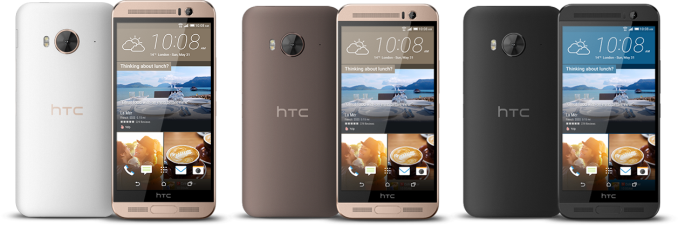
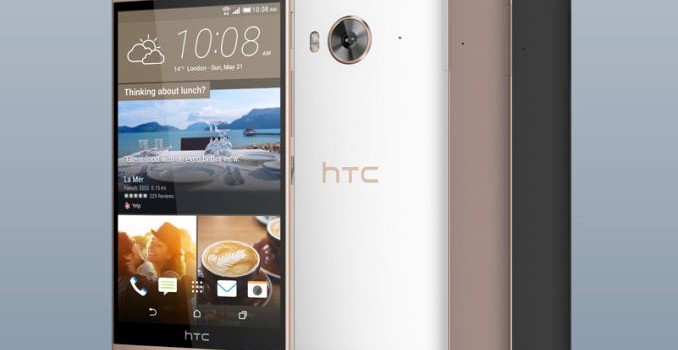
Today the HTC One ME was officially announced in China. While it’s not likely that this device will ever be sold in other markets, it’s worth taking a look at to see what differences there are from the devices that HTC ships globally. Below you can see the specifications of the new HTC One ME.

HTC One ME
SoC MediaTek Helio X10, 4 x Cortex A53 at 2.2GHz + 4 x Cortex A53 at 2.2GHz,
PowerVR G6200 GPU at 700MHz
Memory and Storage 3GB LPDDR3 RAM, 32GB NAND + MicroSDXC
Display 5.2″ 2560×1440 IPS LCD
Cellular Connectivity 2G / 3G / 4G LTE (MediaTek Category 4 LTE)
Dimensions 150.99 x 71.99 x 9.75 mm, 155g
Cameras 20MP Rear Facing w/ 1.12 µm pixels, 1/2.4″ CMOS size, f/2.2, 27.8mm (35mm effective)

4MP Front Facing, 2.0 µm pixels, f/2.0 26.8mm (35mm effective)

Battery 2840 mAh (10.79Wh)
Other Connectivity 802.11a/b/g/n/ac + BT 4.1, GNSS, NFC, DLNA
Operating System Android 5.0 Lollipop with HTC Sense
SIM Dual NanoSIM

As you can see, this is definitely positioned as a high end device. As far as HTC’s overall lineup goes, the HTC One M9 is probably the best device to make comparisons to. The most obvious difference is with the SoC. While the One M9 uses Qualcomm’s Snapdragon 810, the One ME uses MediaTek’s Helio X10 SoC. This is one of MediaTek’s high end chips, and it’s really only second to the recently launched Helio X20. I wouldn’t want to judge how the One ME’s performance compares to the One M9 based on spec sheets, but I’m very interested in seeing comparisons of the two phones once the One ME gets into the hands of users.

Moving on from the SoC, we see specs that mostly mirror those of the One M9. The battery capacity, cameras, RAM, and NAND are all exactly the same. The biggest specification change is to the display. While the One M9 sports a 5″ 1920×1080 panel, the One ME has a higher resolution 5.2″ 2560×1440 panel. This means that the One ME is also slightly larger and thicker than the One M9, and ever so slightly lighter.

For me the most interesting thing about the HTC One ME is probably the fingerprint scanner on the bottom. Whether it’s a swipe style sensor like the HTC One Max or a touch and hold sensor like the iPhone is currently unknown, but having a fingerprint scanner at all when the One M9 doesn’t is notable to say the least. I also like the design where it’s set between two speaker grilles.

There’s currently no indication of what the HTC One ME will cost, or when it will begin shipping in China. When it does go on sale, it’ll be available in rose gold, gold sepia, and black. It’s doubtful that it’ll ever be seen on North American shores, although I would love to get my hands on one. 

Source: HTC via GSMArena

Xeon E3-1200 V4 launch: only with GPU integrated

Xeon E3-1200 V4 launch: only with GPU integrated

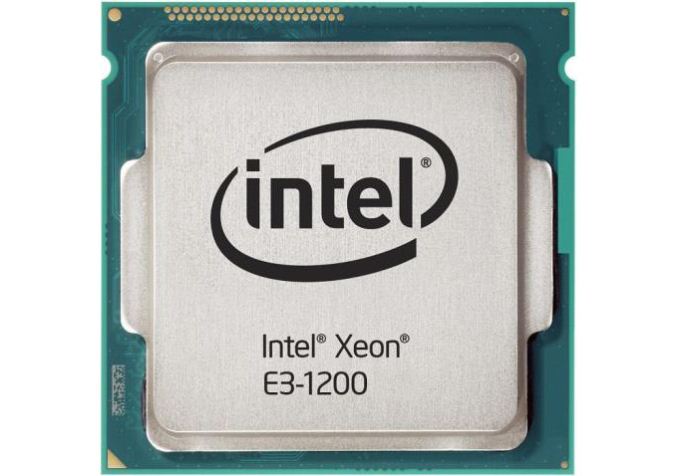
Intel’s server CPU portfolio just got more diversified and complex with the launch of the Intel Xeon E3-1200 V4 at Computex 2015.  It is basically the same chip as the Core i7 “Broadwell” desktop that Ian reviewed yesterday: inside we find four Broadwell cores and a Crystal Well-backed Iris Pro GPU, baked with Intel’s state-of-the-art 14 nm process. The Xeon enables ECC RAM support, PCI-passthrough, and VT-D, the former two being features that the desktop chips obviously lack, and VT-D only being present in some desktop chips.

But the current line-up of the Xeon E3-1200 v4 based upon Broadwell is not a simple replacement for the current Xeon E3 1200 v3 “Haswell”, which we tested a few months ago. Traditionally, the Xeon E3 was about either workstations or all kinds of low-end servers. 

It looks like the current Xeon E3-1200 v4 is somewhat a niche product. Besides being a chip for workstations with moderate graphics power, Intel clearly positions the chip as a video transcoding and VDI platform. It looks like – once again – Intel is delivering what AMD promised a long time ago. AMD’s Berlin, a quad steamroller with Radeon GPU was supposed to address this market, but the product did not seem to convince the OEMs.

Intel claims that the 65W TDP E3-1285L v4 was able to decode 14 1080p (at 30 fps) 20Mbps streams, four or 40% more than on the Xeon E3-1286L v3, which could only sustain 10 video streams. Another use are virtual desktops that use PCI device passthrough to give the virtual machine (VM) full access to the GPU. That way of working is very attractive for an IT manager: it enables centralized management of graphical workstation in a secure datacenter.  

But it is should be noted that this kind of virtualization technology comes with drawbacks. First of all, there is only one VM that gets access to the GPU: one VM literally owns the GPU (unlike NVIDIA’s GRID technology). Secondly you add network latency, something that many graphical designers will not like as adds lag compared to the situation where they are working on a workstation with a beefy OpenGL card. 

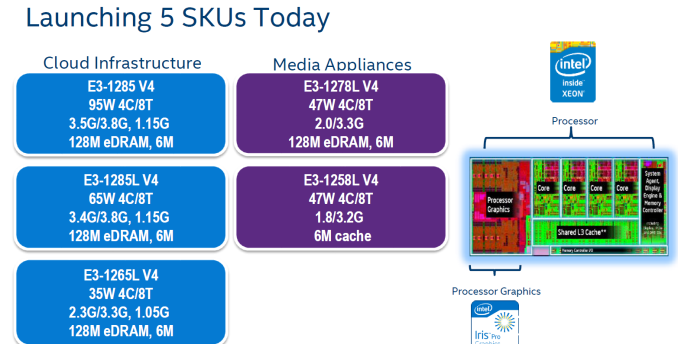
Below you can find the table of the 5 new SKUs. I added a sixth column with the Xeon-D, so you can easily compare.  

Intel Xeon E3 Broadwell Lineup For
comparison:
  E3-1258L v4 E3-1265L v4 E3-1278L v4 E3-1285 v4 E3-1285L v4 Xeon D-1540
Price $481 $418 $546 $557 $445 $581
Cores 4 4 4 4 4 8
Threads 8 8 8 8 8 16
Base CPU Freq. 1.8 GHz 2.3 GHz 2 GHZ 3.5 GHZ 3.4 GHZ 2 GHz
Turbo CPU Freq. 3.2 GHz 3.3 GHz 3.3 GHz 3.8 GHz 3.8 GHz 2.6 GHz
Graphics P5700
1 GHz
Iris Pro P6300 (GT3e)
1.05 GHz
Iris Pro P6300 (GT3e)
1 GHz
Iris Pro P6300 (GT3e)
1.15 GHz
Iris Pro P6300 (GT3e)
1.15 GHz
none
TDP 47W 35W 47W 95W 65W 45W
DRAM Freq.
(DDR3L)
1600MHz 1866MHz 1600MHz 1866MHz 1866MHz DDR4-2133
L3 Cache 6MB 6MB 6MB 6MB 6MB 12 MB
L4 Cache none 128MB (Crystal Well) 128MB (Crystal Well) 128MB (Crystal Well) 128MB (Crystal Well) none

It is pretty clear that the Xeon-D is a much more attractive server chip for most purposes: twice the amount of cores, twice the amount L3-cache, while remaining inside a 45W TDP power envelop. On top of that, the new Xeon E3 v4 still needs a separate C226 chipset and is limited to 32 GB of RAM. The Xeon-D does not need a separate chipset and supports up to 128 GB of DDR-4. 

In summary, the current Xeon E3-1200 v4 lineup is only interesting if you need a server chip for video transcoding, centralized workstation or a local workstation with relatively modest graphical needs. 

The Atom C2000 and hopefully the X-Gene 2 chips are the SoCs to watch if you want ultra dense and relatively cheap server cpus for basic server processing tasks (static web content, object caching). The Xeon E3-1240Lv3 is probably still the best “single/lowly threaded performance”/watt champion. And the Xeon-D? Well, we will be reviewing that one soon… 

Xeon E3-1200 V4 launch: only with GPU integrated

Xeon E3-1200 V4 launch: only with GPU integrated

Intel’s server CPU portfolio just got more diversified and complex with the launch of the Intel Xeon E3-1200 V4 at Computex 2015.  It is basically the same chip as the Core i7 “Broadwell” desktop that Ian reviewed yesterday: inside we find four Broadwell cores and a Crystal Well-backed Iris Pro GPU, baked with Intel’s state-of-the-art 14 nm process. The Xeon enables ECC RAM support, PCI-passthrough, and VT-D, the former two being features that the desktop chips obviously lack, and VT-D only being present in some desktop chips.

But the current line-up of the Xeon E3-1200 v4 based upon Broadwell is not a simple replacement for the current Xeon E3 1200 v3 “Haswell”, which we tested a few months ago. Traditionally, the Xeon E3 was about either workstations or all kinds of low-end servers. 

It looks like the current Xeon E3-1200 v4 is somewhat a niche product. Besides being a chip for workstations with moderate graphics power, Intel clearly positions the chip as a video transcoding and VDI platform. It looks like – once again – Intel is delivering what AMD promised a long time ago. AMD’s Berlin, a quad steamroller with Radeon GPU was supposed to address this market, but the product did not seem to convince the OEMs.

Intel claims that the 65W TDP E3-1285L v4 was able to decode 14 1080p (at 30 fps) 20Mbps streams, four or 40% more than on the Xeon E3-1286L v3, which could only sustain 10 video streams. Another use are virtual desktops that use PCI device passthrough to give the virtual machine (VM) full access to the GPU. That way of working is very attractive for an IT manager: it enables centralized management of graphical workstation in a secure datacenter.  

But it is should be noted that this kind of virtualization technology comes with drawbacks. First of all, there is only one VM that gets access to the GPU: one VM literally owns the GPU (unlike NVIDIA’s GRID technology). Secondly you add network latency, something that many graphical designers will not like as adds lag compared to the situation where they are working on a workstation with a beefy OpenGL card. 

Below you can find the table of the 5 new SKUs. I added a sixth column with the Xeon-D, so you can easily compare.  

Intel Xeon E3 Broadwell Lineup For
comparison:
  E3-1258L v4 E3-1265L v4 E3-1278L v4 E3-1285 v4 E3-1285L v4 Xeon D-1540
Price $481 $418 $546 $557 $445 $581
Cores 4 4 4 4 4 8
Threads 8 8 8 8 8 16
Base CPU Freq. 1.8 GHz 2.3 GHz 2 GHZ 3.5 GHZ 3.4 GHZ 2 GHz
Turbo CPU Freq. 3.2 GHz 3.3 GHz 3.3 GHz 3.8 GHz 3.8 GHz 2.6 GHz
Graphics P5700
1 GHz
Iris Pro P6300 (GT3e)
1.05 GHz
Iris Pro P6300 (GT3e)
1 GHz
Iris Pro P6300 (GT3e)
1.15 GHz
Iris Pro P6300 (GT3e)
1.15 GHz
none
TDP 47W 35W 47W 95W 65W 45W
DRAM Freq.
(DDR3L)
1600MHz 1866MHz 1600MHz 1866MHz 1866MHz DDR4-2133
L3 Cache 6MB 6MB 6MB 6MB 6MB 12 MB
L4 Cache none 128MB (Crystal Well) 128MB (Crystal Well) 128MB (Crystal Well) 128MB (Crystal Well) none

It is pretty clear that the Xeon-D is a much more attractive server chip for most purposes: twice the amount of cores, twice the amount L3-cache, while remaining inside a 45W TDP power envelop. On top of that, the new Xeon E3 v4 still needs a separate C226 chipset and is limited to 32 GB of RAM. The Xeon-D does not need a separate chipset and supports up to 128 GB of DDR-4. 

In summary, the current Xeon E3-1200 v4 lineup is only interesting if you need a server chip for video transcoding, centralized workstation or a local workstation with relatively modest graphical needs. 

The Atom C2000 and hopefully the X-Gene 2 chips are the SoCs to watch if you want ultra dense and relatively cheap server cpus for basic server processing tasks (static web content, object caching). The Xeon E3-1240Lv3 is probably still the best “single/lowly threaded performance”/watt champion. And the Xeon-D? Well, we will be reviewing that one soon… 

AMD Demonstrates FreeSync-over-HDMI Concept Hardware at Computex 2015

AMD Demonstrates FreeSync-over-HDMI Concept Hardware at Computex 2015

While AMD wasn’t the first GPU vendor to implement a system for variable refresh, the company has made up for lost time with zeal. Since demonstrating their FreeSync proof-of-concept laptop demo back at CES 2014, AMD has since been able to get the necessary signaling and refresh technology implemented into the DisplayPort standard as an optional annex of 1.2a, more commonly known DisplayPort Adaptive-Sync. With DPAS implemented into monitors, AMD has been able to roll out their FreeSync implementation of variable refresh back in March of this year, when the first DPAS-enabled monitors shipped.

Since then AMD has been relatively quiet (no doubt gearing up for their big GPU launch). However as it turns out they have been hard at work at expanding FreeSync past the realm of DisplayPort monitors, and they are for the first time showing off that technology at their suite at Computex 2015.

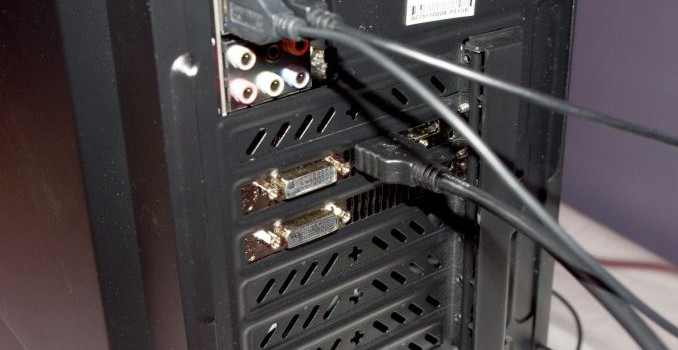
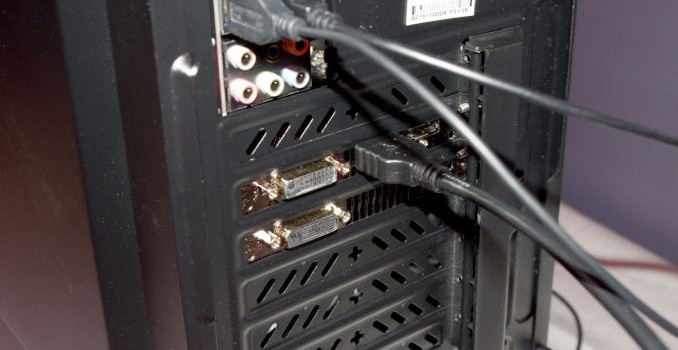
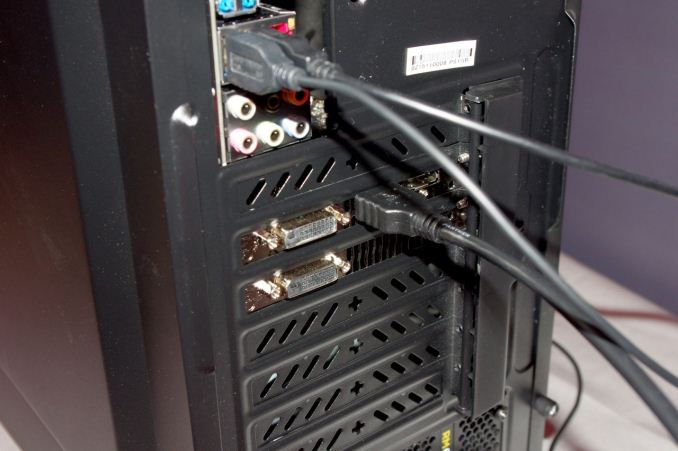
AMD’s demonstration and the big revelation from the company is that they now have a prototype implementation of FreeSync-over-HDMI up and running. Powered by an R9 200 series card (we’d wager 290X), AMD’s demonstration involved running their windmill FreeSync demo against the prototype FreeSync-enabled HDMI monitor to showcase the viability of FreeSync-over-HDMI.

We wasted no time in tracking down AMD’s Robert Hallock for more details, and while AMD isn’t being super deep at this time – it’s a proof-of-concept prototype after all – we do have a basic understanding of what they are up to.

The monitor in question is running a Realtek TCON, with AMD and Realtek developing the prototype together. The TCON itself is by all indications a bog-standard TCON (i.e. not custom hardware), with the only difference being that Realtek has developed a custom firmware for it to support variable refresh operation and the FreeSync-over-HDMI technology.

On the signaling side, AMD tells us that they’re running a custom protocol over HDMI 1.4a. As one might expect, the necessary functionality doesn’t currently exist in HDMI, so AMD went and added the necessary functionality to their driver and the Realtek firmware in order for both ends to operate. Compared to FreeSync-over-DisplayPort all other operation is the same from what we’re told, so the end result is the same kind of variable refresh support currently found in DPAS-enabled monitors, except now over HDMI instead of DisplayPort.

The goal here from AMD is very similar to what they did with DisplayPort last year. The company wants to introduce variable refresh support into the HDMI standard, making it a standardized (and common) feature of HDMI. The payoff for AMD and their users would be that getting variable refresh support into HDMI would allow FreeSync to potentially work with many more monitors, as DisplayPort is not found in all monitors whereas HDMI is. This is especially the case in cheaper monitors, which of course make up the bulk of monitor sales.

Because AMD has been working with Realtek on this, it was unknown if other TCON manufacturers would have issues writing firmware. However if variable refresh were implemented into the HDMI standard, then there’s no reason to believe it wouldn’t eventually be a solved issue. Meanwhile the fact that Realtek is doing this via custom firmware on a standard TCON does technically open up the possibility of flashing existing monitors to enable such functionality, but given the fact that this hasn’t happened for DisplayPort monitors, it’s unlikely here as well.

In any case, AMD isn’t saying too much else at this time. With a proof-of-concept up and running, AMD can now begin attempting to influence the necessary parties to add the feature to HDMI, and to get customers demanding the technology.

First 30Hz Minimum Refresh Rate DisplayPort Adaptive-Sync Monitor: Nixeus NX-VUE24

Along with the FreeSync-over-HDMI demo, AMD also had one bit of FreeSync news at Computex. As regular readers are likely aware, all of the current DPAS monitors have a minimum refresh rate over 30Hz – typically 40Hz or 48Hz – which unfortunately for AMD’s FreeSync efforts is counterproductive to their goals since you lose the bulk of the benefits of FreeSync when framerates fall below the minimum refresh rate. And although this is a monitor limitation rather than a DPAS/FreeSync limitation, AMD is still looking to push vendors to get lower minimum rate monitors on the market and to promote those monitors.
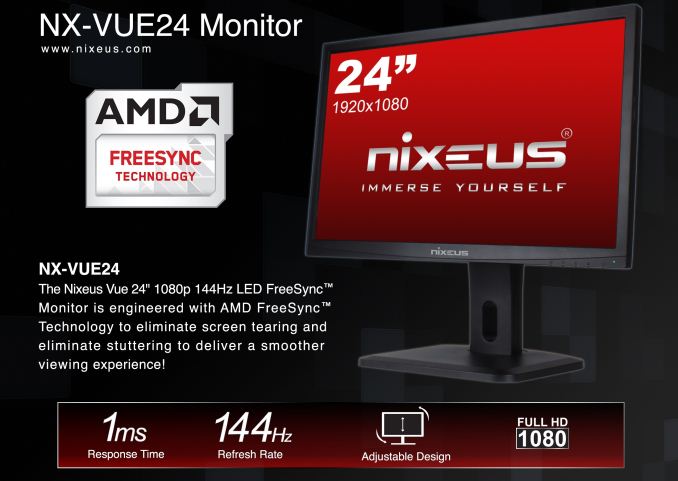
To that end, monitor vendor Nixeus has announced the first 30hz minimum refresh rate DPAS monitor, the NX-VUE24. The NX-VUE24 is a 24”, 1080p TN display that supports variable refresh rates from 30Hz up to 144Hz. A 1080p TN monitor is admittedly not likely to set the world on fire at this point, but it’s still an important milestone in getting 30Hz-minimum DPAS displays out in to the market. And at 1080p and just 24”, this will likely be the most affordable/cheapest variable refresh monitor yet.

Update: We also have confirmation that the NX-VUE24 supports pixel overdrive

Nixeus has not yet announced a release date or price for the monitor, but they tell us it should be coming soon.

FreeSync’s Teething Issues

Finally, while we had a chance to talk to AMD about FreeSync, we asked them about some of the barbs NVIDIA has been flinging their way lately, particularly on the subject matter of minimum refresh rates and pixel overdrive. Though NVIDIA is not above poking at AMD when it suits them, these were still important points that we wanted to hear AMD’s answer to.

On the matter of pixel overdrive, AMD has clarified that pixel overdrive can work with FreeSync, but it is up to the monitor manufactures. DPAS/FreeSync doesn’t offer any control over overdrive to the video card, so whether any overdrive happens is up to the monitor manufacturer, who would need to implement it in their scaler. Ultimately pixel overdrive is not a required part of the DPAS standard, so its presence is going to be on a monitor-by-monitor basis, and the quality of any overdrive solution is up to the vendor. As with NVIDIA’s solution, this all boils down to doing frame delivery prediction and adjusting their overdrive values accordingly, with DPAS monitor manufacturers needing to do that in their scaler as part of their per-frame operations (just as how it works today on fixed refresh rate monitors.

Meanwhile on the subject of minimum refresh rates, AMD’s comments were a bit less concrete, but also a bit more optimistic. How minimum refresh periods are handled is ultimately up to FreeSync; there needs to be a refresh within the maximum pixel decay period in order to maintain the display, but it’s up to AMD how they want to do those refreshes. For 144Hz monitors this can mean just running a quick refresh over 7ms, whereas for 60Hz monitors the subject is a bit trickier since a refresh takes 16ms.

In any case the message from AMD has been that they have the ability to change their minimum refresh behavior as they see fit or as they develop better ways to handle the situation. However absent any concrete details at this time, all we can do is wait and see if and when AMD makes any changes. AMD clearly isn’t wanting to commit to anything right now, at least not until they have something ready to deploy.

AMD Demonstrates FreeSync-over-HDMI Concept Hardware at Computex 2015

AMD Demonstrates FreeSync-over-HDMI Concept Hardware at Computex 2015

While AMD wasn’t the first GPU vendor to implement a system for variable refresh, the company has made up for lost time with zeal. Since demonstrating their FreeSync proof-of-concept laptop demo back at CES 2014, AMD has since been able to get the necessary signaling and refresh technology implemented into the DisplayPort standard as an optional annex of 1.2a, more commonly known DisplayPort Adaptive-Sync. With DPAS implemented into monitors, AMD has been able to roll out their FreeSync implementation of variable refresh back in March of this year, when the first DPAS-enabled monitors shipped.

Since then AMD has been relatively quiet (no doubt gearing up for their big GPU launch). However as it turns out they have been hard at work at expanding FreeSync past the realm of DisplayPort monitors, and they are for the first time showing off that technology at their suite at Computex 2015.

AMD’s demonstration and the big revelation from the company is that they now have a prototype implementation of FreeSync-over-HDMI up and running. Powered by an R9 200 series card (we’d wager 290X), AMD’s demonstration involved running their windmill FreeSync demo against the prototype FreeSync-enabled HDMI monitor to showcase the viability of FreeSync-over-HDMI.

We wasted no time in tracking down AMD’s Robert Hallock for more details, and while AMD isn’t being super deep at this time – it’s a proof-of-concept prototype after all – we do have a basic understanding of what they are up to.

The monitor in question is running a Realtek TCON, with AMD and Realtek developing the prototype together. The TCON itself is by all indications a bog-standard TCON (i.e. not custom hardware), with the only difference being that Realtek has developed a custom firmware for it to support variable refresh operation and the FreeSync-over-HDMI technology.

On the signaling side, AMD tells us that they’re running a custom protocol over HDMI 1.4a. As one might expect, the necessary functionality doesn’t currently exist in HDMI, so AMD went and added the necessary functionality to their driver and the Realtek firmware in order for both ends to operate. Compared to FreeSync-over-DisplayPort all other operation is the same from what we’re told, so the end result is the same kind of variable refresh support currently found in DPAS-enabled monitors, except now over HDMI instead of DisplayPort.

The goal here from AMD is very similar to what they did with DisplayPort last year. The company wants to introduce variable refresh support into the HDMI standard, making it a standardized (and common) feature of HDMI. The payoff for AMD and their users would be that getting variable refresh support into HDMI would allow FreeSync to potentially work with many more monitors, as DisplayPort is not found in all monitors whereas HDMI is. This is especially the case in cheaper monitors, which of course make up the bulk of monitor sales.

Because AMD has been working with Realtek on this, it was unknown if other TCON manufacturers would have issues writing firmware. However if variable refresh were implemented into the HDMI standard, then there’s no reason to believe it wouldn’t eventually be a solved issue. Meanwhile the fact that Realtek is doing this via custom firmware on a standard TCON does technically open up the possibility of flashing existing monitors to enable such functionality, but given the fact that this hasn’t happened for DisplayPort monitors, it’s unlikely here as well.

In any case, AMD isn’t saying too much else at this time. With a proof-of-concept up and running, AMD can now begin attempting to influence the necessary parties to add the feature to HDMI, and to get customers demanding the technology.

First 30Hz Minimum Refresh Rate DisplayPort Adaptive-Sync Monitor: Nixeus NX-VUE24

Along with the FreeSync-over-HDMI demo, AMD also had one bit of FreeSync news at Computex. As regular readers are likely aware, all of the current DPAS monitors have a minimum refresh rate over 30Hz – typically 40Hz or 48Hz – which unfortunately for AMD’s FreeSync efforts is counterproductive to their goals since you lose the bulk of the benefits of FreeSync when framerates fall below the minimum refresh rate. And although this is a monitor limitation rather than a DPAS/FreeSync limitation, AMD is still looking to push vendors to get lower minimum rate monitors on the market and to promote those monitors.

To that end, monitor vendor Nixeus has announced the first 30hz minimum refresh rate DPAS monitor, the NX-VUE24. The NX-VUE24 is a 24”, 1080p TN display that supports variable refresh rates from 30Hz up to 144Hz. A 1080p TN monitor is admittedly not likely to set the world on fire at this point, but it’s still an important milestone in getting 30Hz-minimum DPAS displays out in to the market. And at 1080p and just 24”, this will likely be the most affordable/cheapest variable refresh monitor yet.

Update: We also have confirmation that the NX-VUE24 supports pixel overdrive

Nixeus has not yet announced a release date or price for the monitor, but they tell us it should be coming soon.

FreeSync’s Teething Issues

Finally, while we had a chance to talk to AMD about FreeSync, we asked them about some of the barbs NVIDIA has been flinging their way lately, particularly on the subject matter of minimum refresh rates and pixel overdrive. Though NVIDIA is not above poking at AMD when it suits them, these were still important points that we wanted to hear AMD’s answer to.

On the matter of pixel overdrive, AMD has clarified that pixel overdrive can work with FreeSync, but it is up to the monitor manufactures. DPAS/FreeSync doesn’t offer any control over overdrive to the video card, so whether any overdrive happens is up to the monitor manufacturer, who would need to implement it in their scaler. Ultimately pixel overdrive is not a required part of the DPAS standard, so its presence is going to be on a monitor-by-monitor basis, and the quality of any overdrive solution is up to the vendor. As with NVIDIA’s solution, this all boils down to doing frame delivery prediction and adjusting their overdrive values accordingly, with DPAS monitor manufacturers needing to do that in their scaler as part of their per-frame operations (just as how it works today on fixed refresh rate monitors.

Meanwhile on the subject of minimum refresh rates, AMD’s comments were a bit less concrete, but also a bit more optimistic. How minimum refresh periods are handled is ultimately up to FreeSync; there needs to be a refresh within the maximum pixel decay period in order to maintain the display, but it’s up to AMD how they want to do those refreshes. For 144Hz monitors this can mean just running a quick refresh over 7ms, whereas for 60Hz monitors the subject is a bit trickier since a refresh takes 16ms.

In any case the message from AMD has been that they have the ability to change their minimum refresh behavior as they see fit or as they develop better ways to handle the situation. However absent any concrete details at this time, all we can do is wait and see if and when AMD makes any changes. AMD clearly isn’t wanting to commit to anything right now, at least not until they have something ready to deploy.