News


Be Quiet! Introduces New Flagship Dark Base 900 Chassis
Be Quiet! Introduces New Flagship Dark Base 900 Chassis

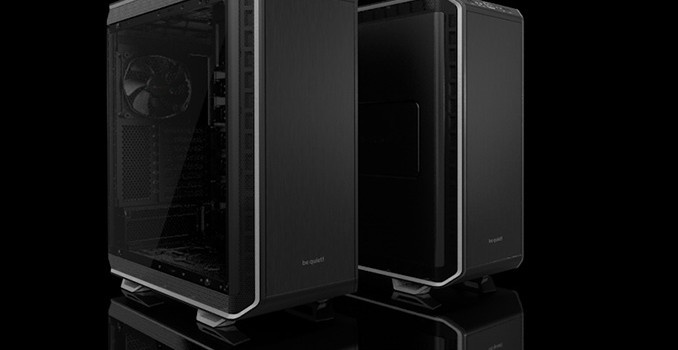
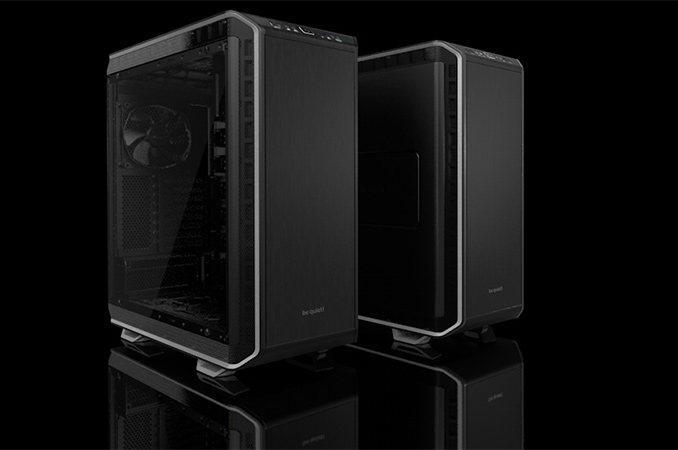
Be Quiet! has introduced its new flagship PC chassis, which combines the company’s expertise in building quiet PC components with extensive modularity and customization features. The be quiet! Dark Base 900-series PC cases will feature aluminum finish, whereas the Pro version will also come with LED strips as well as Qi wireless charger for mobile devices.

The new be quiet! Dark Base 900 and Dark Base 900 Pro chassis feature a modular design, which allows switching sides of the motherboard tray, adjusting its height, removing redundant HDD and ODD cages and, of course, installing any types of fans and/or liquid cooling. Since be quiet! is primarily known for silent PC equipment, the Dark Base 900 inherit numerous designs ideas from its predecessors, including internal architecture that optimizes airflow; specially designed noise intake systems; noise-cancelling side and front panels; decoupled fan, HDD and motherboards mounts to eliminate any transmission of vibration to the case and so on.

The Dark Base 900 and the Dark Base 900 Pro chassis from be quiet! can be equipped with up to two ODDs and up to seven HDDs. They also come with pre-installed three SilentWings 3 fans (one 120 mm fan and two 140 mm fans) and feature a basic fan control.

be quiet! Dark Base 900 and Dark Base 900 Pro
Motherboard Size ATX, Micro-ATX, Mini-ITX
Drive Bays External 2 × 5.25″
Internal 7 × 3.5″ or up to 15 x 2.5″ (Drive’s cage)
Cooling Front 3 × 140 mm or 3 × 120 mm (2 × 120 mm included)
Rear 1 × 120 mm (included) or 1 × 140 mm
Top 1 × 200 mm or 3 x 140 mm or 3 x 120 mm
HDD/Side 2 × 120 mm
Bottom 2 × 140 mm or 2 × 120 mm
Radiator Support Front Unknown
Rear Up to 140 mm (?)
Top Up to 200 mm (?)
Side
Bottom
I/O Port 2× USB 3.0, 2× USB 2.0, 1× Headphone, 1× Mic
Power Supply Size ATX
Dimensions Unknown
Features of the Dark Base Pro · 4 mm tempered glass side panel
· LED strips
· Qi wireless charger for mobile devices
Price Dark Base 900 — $199
Dark Base 900 Pro — $249

Unlike the previous-generation high-end PC cases from be quiet!, the new Dark Base 900-series chassis come with stylish brushed aluminum front and top panels, which feature four USB (two USB 3.0 and two USB 2.0) ports as well as 3.5-mm audio input and output.
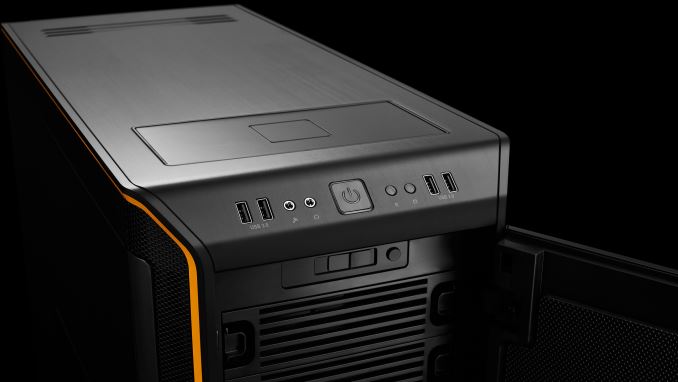
To appeal to modders and enthusiasts, the more sophisticated Dark Base 900 Pro chassis will also have a side panel made of 4-mm tempered glass, LED strips with five colors pre-installed as well as a Qi wireless charger for mobile devices. The Dark Base 900 Pro will be one of the world’s first PC cases with Qi charger, a decent addition to those, who are on the bleeding edge of progress and uses either devices with wireless charging, or cases with appropriate capabilities.

Both new cases from be quiet! will hit the market later this year and will be covered with a three-year limited warranty. As for the price, the Dark Base 900 will retail for $199, whereas the more advanced Dark Base 900 Pro will retail for $249.

Samsung Announces The Galaxy C5 and C7 For China

Samsung Announces The Galaxy C5 and C7 For China

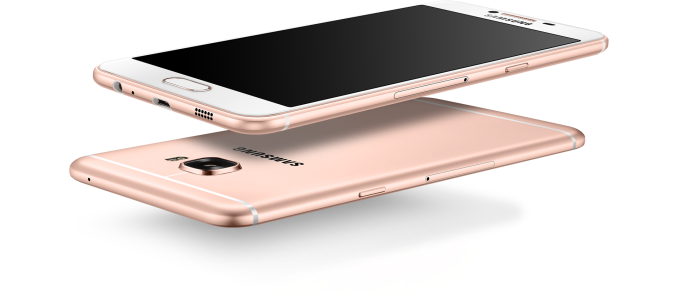
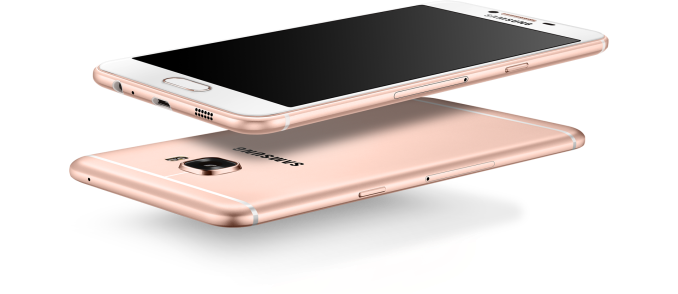
Today Samsung announced two new smartphones that are coming to the Chinese market. They’re called the Galaxy C5 and Galaxy C7, and they kick off a new line of Samsung smartphones targeting the upper-mid segment of the smartphone market. Both the C5 and C7 have a full metal chassis, and they have an interesting mix of specifications, which you can check out in the chart below.

  Samsung Galaxy C5 Samsung Galaxy C7
SoC Qualcomm Snapdragon 617 Qualcomm Snapdragon 625
GPU Adreno 405 Adreno 506
RAM 4GB LPDDR3
Display 5.2″ 1920 x 1080 AMOLED 5.7″ 1920 x 1080 AMOLED
Size / Mass 145.9 x 72 x 6.7 mm
143 grams
156.6 x 77.2 x 6.7 mm
165 grams
Battery 2600 mAh 3300 mAh
Camera 8MP f/1.9 Front-facing
16MP f/1.9 Rear-facing
32GB 32GB
64GB
MicroSD Up to 128GB
I/O 3.5mm headset, Micro USB 2.0
Connectivity 2.4 + 5GHz 802.11 a/b/g/n/ac, BT 4.2, GPS/GNSS, NFC
Price ~$330 ~$396

The Galaxy C5 and C7 are the same in a number of ways. They share the same cameras, wireless capabilities, and amount of RAM. The fact that they ship with 4GB of RAM stands out to me, but it doesn’t seem to have had a large impact on the price so there’s not really any harm. The devices are primarily differentiated by their SoCs and displays.

The Galaxy C5 uses Qualcomm’s Snapdragon 617 SoC. This is still a 28nm LP part, with four Cortex A53 cores that have a peak frequency of 1.5GHz, and another four with a peak frequency of 1.2GHz. The Galaxy C7 is another story, as it’s built on Samsung/GlobalFoundries’ 14nm LPP process. It still has two clusters of four Cortex A53 cores, but the performance cluster tops out at 2.0GHz.

As for the displays, the big difference is the size. The Galaxy C5 uses a 5.2″ 1080p AMOLED panel, while the Galaxy C7 moves to 5.7″ while maintaining the resolution. At that size a PenTile subpixel arrangement is less than optimal, but on phones of this price I wouldn’t expect to see anything else, and so it may be that the Galaxy C5 ends up having the better display of the two phones. The battery capacity scales naturally with the display, with it going from 2600 mAh in the C5 to 3300 mAh in the C7.

The Galaxy C5 and C7 are only headed to China for now, but there’s always a chance that devices like these can make their way to other parts of Asia, to Europe or even North America, although the latter is quite unlikely. Both of them come in silver, black, gold, and rose gold, and they also include Samsung Pay which just recently launched in China. Both devices come in under $400 when you convert the price to USD, with the Galaxy C5 coming in at roughly $330 and the Galaxy C7 at $396.

Samsung via The Verge

Samsung Announces The Galaxy C5 and C7 For China

Samsung Announces The Galaxy C5 and C7 For China

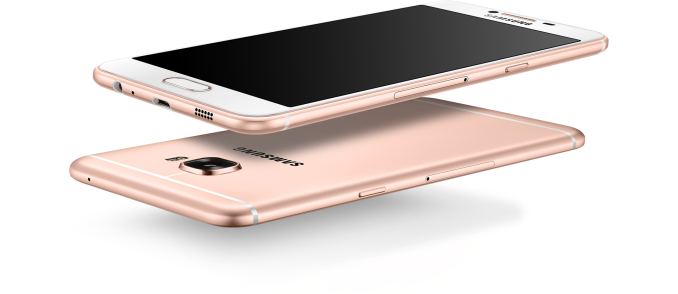
Today Samsung announced two new smartphones that are coming to the Chinese market. They’re called the Galaxy C5 and Galaxy C7, and they kick off a new line of Samsung smartphones targeting the upper-mid segment of the smartphone market. Both the C5 and C7 have a full metal chassis, and they have an interesting mix of specifications, which you can check out in the chart below.

  Samsung Galaxy C5 Samsung Galaxy C7
SoC Qualcomm Snapdragon 617 Qualcomm Snapdragon 625
GPU Adreno 405 Adreno 506
RAM 4GB LPDDR3
Display 5.2″ 1920 x 1080 AMOLED 5.7″ 1920 x 1080 AMOLED
Size / Mass 145.9 x 72 x 6.7 mm
143 grams
156.6 x 77.2 x 6.7 mm
165 grams
Battery 2600 mAh 3300 mAh
Camera 8MP f/1.9 Front-facing
16MP f/1.9 Rear-facing
32GB 32GB
64GB
MicroSD Up to 128GB
I/O 3.5mm headset, Micro USB 2.0
Connectivity 2.4 + 5GHz 802.11 a/b/g/n/ac, BT 4.2, GPS/GNSS, NFC
Price ~$330 ~$396

The Galaxy C5 and C7 are the same in a number of ways. They share the same cameras, wireless capabilities, and amount of RAM. The fact that they ship with 4GB of RAM stands out to me, but it doesn’t seem to have had a large impact on the price so there’s not really any harm. The devices are primarily differentiated by their SoCs and displays.

The Galaxy C5 uses Qualcomm’s Snapdragon 617 SoC. This is still a 28nm LP part, with four Cortex A53 cores that have a peak frequency of 1.5GHz, and another four with a peak frequency of 1.2GHz. The Galaxy C7 is another story, as it’s built on Samsung/GlobalFoundries’ 14nm LPP process. It still has two clusters of four Cortex A53 cores, but the performance cluster tops out at 2.0GHz.

As for the displays, the big difference is the size. The Galaxy C5 uses a 5.2″ 1080p AMOLED panel, while the Galaxy C7 moves to 5.7″ while maintaining the resolution. At that size a PenTile subpixel arrangement is less than optimal, but on phones of this price I wouldn’t expect to see anything else, and so it may be that the Galaxy C5 ends up having the better display of the two phones. The battery capacity scales naturally with the display, with it going from 2600 mAh in the C5 to 3300 mAh in the C7.

The Galaxy C5 and C7 are only headed to China for now, but there’s always a chance that devices like these can make their way to other parts of Asia, to Europe or even North America, although the latter is quite unlikely. Both of them come in silver, black, gold, and rose gold, and they also include Samsung Pay which just recently launched in China. Both devices come in under $400 when you convert the price to USD, with the Galaxy C5 coming in at roughly $330 and the Galaxy C7 at $396.

Samsung via The Verge

Cryorig Unveils Mac Pro-Like PC Case for Gaming PCs, Ultra-Slim Desktop Chassis

Cryorig Unveils Mac Pro-Like PC Case for Gaming PCs, Ultra-Slim Desktop Chassis

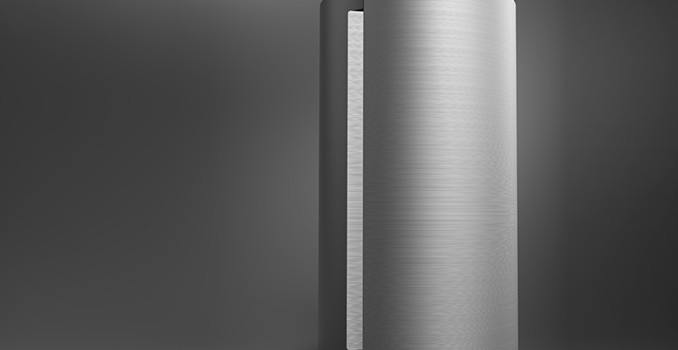
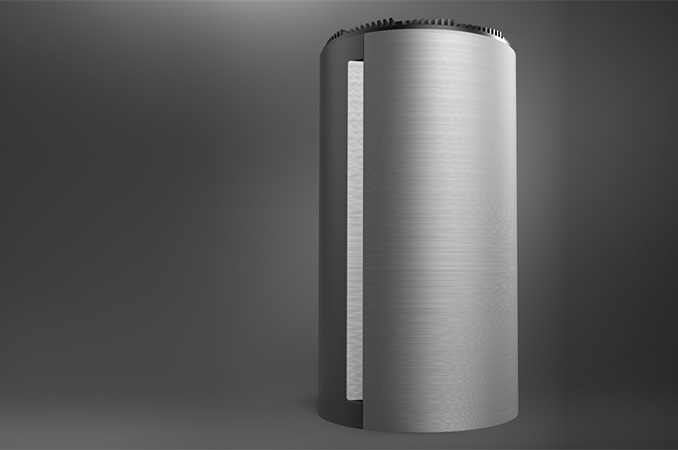
Cryorig has announced its new cylindrical PC chassis, which enables system makers and enthusiasts to build Mac Pro-styled gaming computers. The new case can house one graphics card and a mini-ITX motherboard. While the chassis can formally support a variety of components, actual capabilities of such PCs will be limited by PSUs and cooling. The Ola PC case will only hit the market in 2017. In addition, Cryorig announced its ultra-slim desktop chassis called Taku.

Ola: Designed for Gamers, Inspired by Mac Pro

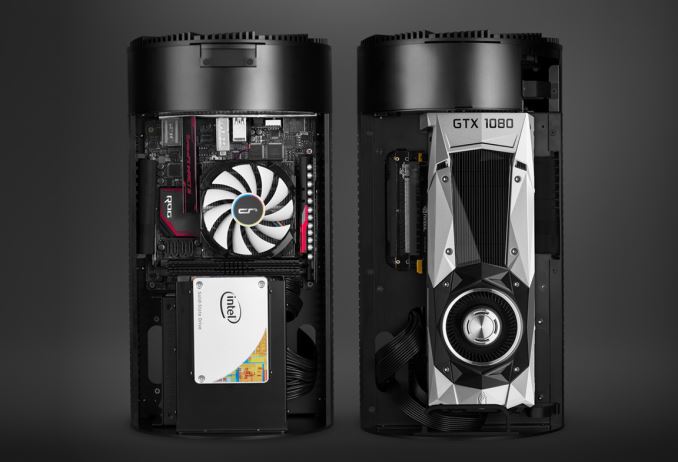
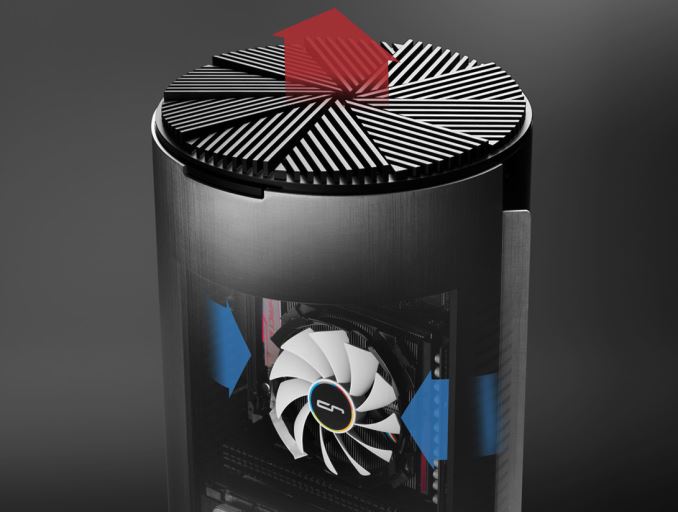
The Cryorig Ola PC chassis can house an SFX power supply unit, a motherboard in mini-ITX form-factor, a typical full-height high-end graphics card (up to 280 mm in length), one 3.5” HDD as well as one or two 2.5” storage devices. The chassis is divided into two compartments: one for the motherboard with the CPU as well as storage devices, another for the graphics card. Inside, Cryorig’s Ola has a rather sophisticated internal cooling system that relies on one big 140 mm fan and two shark-gill like side air intake ducts (one for each compartment) that run the length of the case and let in cool air from the outside. Components like CPU and GPU will have to use their own cooling solutions.

At present, Cryorig does not reveal anything about the maximum TDP of a GPU that the Ola chassis can house, but claims that the maximum TDP of its CPU should not be higher than 100 W, which is enough for non-overclocked Intel Core i7 K-series processors in LGA1151 packaging, but which does not give any headroom for overclocking. The 100 W limitation is likely conditioned by supported cooling system, which cannot be higher than 72 – 82 mm and its top cannot be larger than 92×92 mm. In its press materials, Cryorig shows off its Ola chassis with NVIDIA’s GeForce GTX 1080 graphics card, which consumes up to 180 W. Hence, it should be possible to build a fairly powerful PC using the Ola.

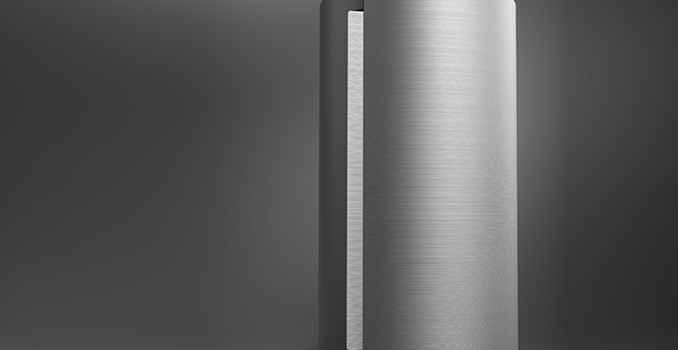
On the aesthetics end, the Ola features a modular front and back panel for multiple textured options. Right now, the company considers brushed aluminum and wood veneer, but when the product hits the market, other options could emerge. Due to its cylindrical form-factor and a tricky internal architecture, the Ola from Cryorig will have a limited amount of external connectors, including at least one for display, audio input/output, a USB 3.0 and so on.

Cryorig Ola: Quick Specs
Dimensions (W×H×D) 226 mm × 378.5 mm × 205 mm
Weight 5 kilograms
Motherboard Form-Factor Mini ITX
PSU Form-Factor SFX
3.5″ Drive Bays 1
2.5″ Drive Bays 1 or 2
System Fan 120 mm
CPU Cooler Dimensions Up to 72~82 mm in height
Graphics Card Length 280 mm
PSU Length 130 mm
External Connectors Power, Audio, USB 3.0, Display

Cryorig started to work on the Ola only recently and the chassis is still a work in progress, which is why the company keeps the final specs. The maker hopes to release Ola sometimes in Q2 2017, about a year from now. The early prototypes will be on display at Computex trade show next month.

Gallery: Cryorig Ola

Taku: Neat, Slim, Holds Your Display

Next up is the Cryorig Taku ultra-slim desktop, which is made of 3 mm thick aluminum and which can be used as a display stand. The internal architecture of the Taku is rather simple: it has one sliding drawer, which can house a mini-ITX motherboard with a CPU, a graphics card (which is no longer than 240 mm), storage components as well as an SFX PSU.

Due to slim form-factor, the CPU will have to use a cooler, which is no higher than 47 mm, which brings some limitations to TDP and almost certainly leaves no space for any tangible overclocking. Right now, Cryorig is trying to figure out how to best cool-down internal components of the chassis, which is why it does not share its own recommendations regarding CPUs and GPUs.

Cryorig Taku: Quick Specs
Dimensions (W×H×D) 567 mm × 134.8 mm × 207 mm
Weight 8 kilograms
Motherboard Form-Factor Mini ITX
PSU Form-Factor SFX
3.5″ Drive Bays 1
2.5″ Drive Bays 1 or 2
System Fan TBD
CPU Cooler Dimensions Up to 42 mm in height
Graphics Card Length 250 mm
PSU Length 130 mm
External Connectors Power, Audio, USB 3.0, Display

Like the Ola, the Taku is also a work in progress with targeted release dates in late 2016 or the first quarter of 2017. Early prototypes will be demonstrated at Computex.

Gallery: Cryorig Taku

Cryorig Unveils Mac Pro-Like PC Case for Gaming PCs, Ultra-Slim Desktop Chassis

Cryorig Unveils Mac Pro-Like PC Case for Gaming PCs, Ultra-Slim Desktop Chassis

Cryorig has announced its new cylindrical PC chassis, which enables system makers and enthusiasts to build Mac Pro-styled gaming computers. The new case can house one graphics card and a mini-ITX motherboard. While the chassis can formally support a variety of components, actual capabilities of such PCs will be limited by PSUs and cooling. The Ola PC case will only hit the market in 2017. In addition, Cryorig announced its ultra-slim desktop chassis called Taku.

Ola: Designed for Gamers, Inspired by Mac Pro

The Cryorig Ola PC chassis can house an SFX power supply unit, a motherboard in mini-ITX form-factor, a typical full-height high-end graphics card (up to 280 mm in length), one 3.5” HDD as well as one or two 2.5” storage devices. The chassis is divided into two compartments: one for the motherboard with the CPU as well as storage devices, another for the graphics card. Inside, Cryorig’s Ola has a rather sophisticated internal cooling system that relies on one big 140 mm fan and two shark-gill like side air intake ducts (one for each compartment) that run the length of the case and let in cool air from the outside. Components like CPU and GPU will have to use their own cooling solutions.

At present, Cryorig does not reveal anything about the maximum TDP of a GPU that the Ola chassis can house, but claims that the maximum TDP of its CPU should not be higher than 100 W, which is enough for non-overclocked Intel Core i7 K-series processors in LGA1151 packaging, but which does not give any headroom for overclocking. The 100 W limitation is likely conditioned by supported cooling system, which cannot be higher than 72 – 82 mm and its top cannot be larger than 92×92 mm. In its press materials, Cryorig shows off its Ola chassis with NVIDIA’s GeForce GTX 1080 graphics card, which consumes up to 180 W. Hence, it should be possible to build a fairly powerful PC using the Ola.

On the aesthetics end, the Ola features a modular front and back panel for multiple textured options. Right now, the company considers brushed aluminum and wood veneer, but when the product hits the market, other options could emerge. Due to its cylindrical form-factor and a tricky internal architecture, the Ola from Cryorig will have a limited amount of external connectors, including at least one for display, audio input/output, a USB 3.0 and so on.

Cryorig Ola: Quick Specs
Dimensions (W×H×D) 226 mm × 378.5 mm × 205 mm
Weight 5 kilograms
Motherboard Form-Factor Mini ITX
PSU Form-Factor SFX
3.5″ Drive Bays 1
2.5″ Drive Bays 1 or 2
System Fan 120 mm
CPU Cooler Dimensions Up to 72~82 mm in height
Graphics Card Length 280 mm
PSU Length 130 mm
External Connectors Power, Audio, USB 3.0, Display

Cryorig started to work on the Ola only recently and the chassis is still a work in progress, which is why the company keeps the final specs. The maker hopes to release Ola sometimes in Q2 2017, about a year from now. The early prototypes will be on display at Computex trade show next month.

Gallery: Cryorig Ola

Taku: Neat, Slim, Holds Your Display

Next up is the Cryorig Taku ultra-slim desktop, which is made of 3 mm thick aluminum and which can be used as a display stand. The internal architecture of the Taku is rather simple: it has one sliding drawer, which can house a mini-ITX motherboard with a CPU, a graphics card (which is no longer than 240 mm), storage components as well as an SFX PSU.

Due to slim form-factor, the CPU will have to use a cooler, which is no higher than 47 mm, which brings some limitations to TDP and almost certainly leaves no space for any tangible overclocking. Right now, Cryorig is trying to figure out how to best cool-down internal components of the chassis, which is why it does not share its own recommendations regarding CPUs and GPUs.

Cryorig Taku: Quick Specs
Dimensions (W×H×D) 567 mm × 134.8 mm × 207 mm
Weight 8 kilograms
Motherboard Form-Factor Mini ITX
PSU Form-Factor SFX
3.5″ Drive Bays 1
2.5″ Drive Bays 1 or 2
System Fan TBD
CPU Cooler Dimensions Up to 42 mm in height
Graphics Card Length 250 mm
PSU Length 130 mm
External Connectors Power, Audio, USB 3.0, Display

Like the Ola, the Taku is also a work in progress with targeted release dates in late 2016 or the first quarter of 2017. Early prototypes will be demonstrated at Computex.

Gallery: Cryorig Taku