Vik


G.Skill Announces Trident Z RGB DDR4 Kits with 16 GB Modules, Up to 128 GB
G.Skill Announces Trident Z RGB DDR4 Kits with 16 GB Modules, Up to 128 GB

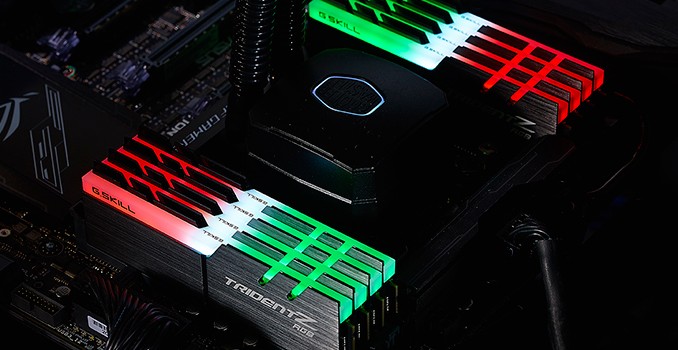
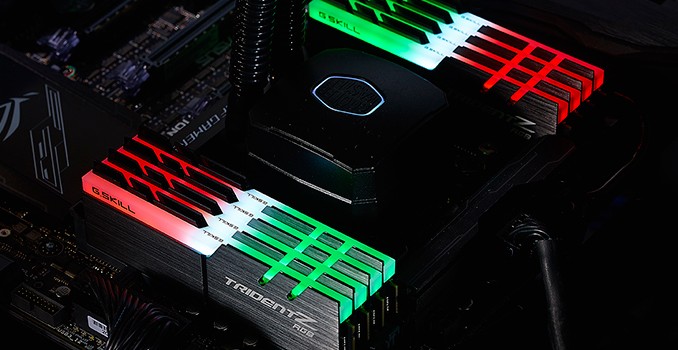
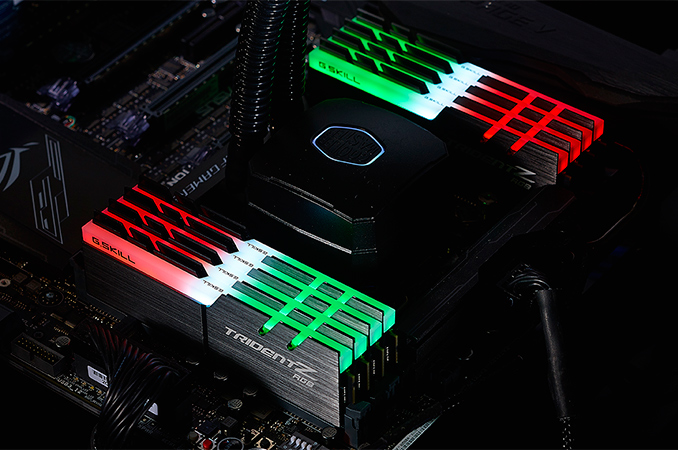
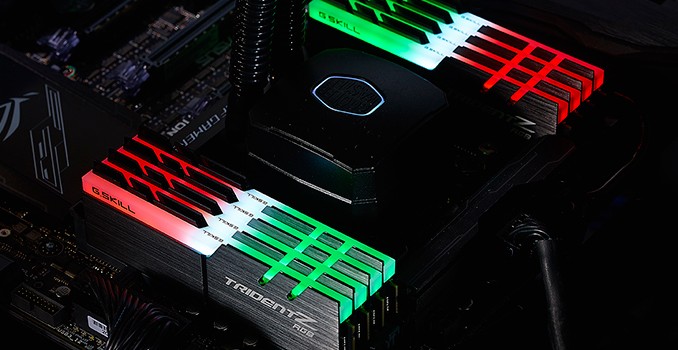
G.Skill has recently launched new Trident Z RGB memory kits, this time aimed at Intel X99 platforms, and following the RGB trend they give owners of high-end desktops an opportunity to customize the look of DRAM inside their machines. This is also the launch where the company introduces its first 16 GB memory modules with programmable LED lighting.

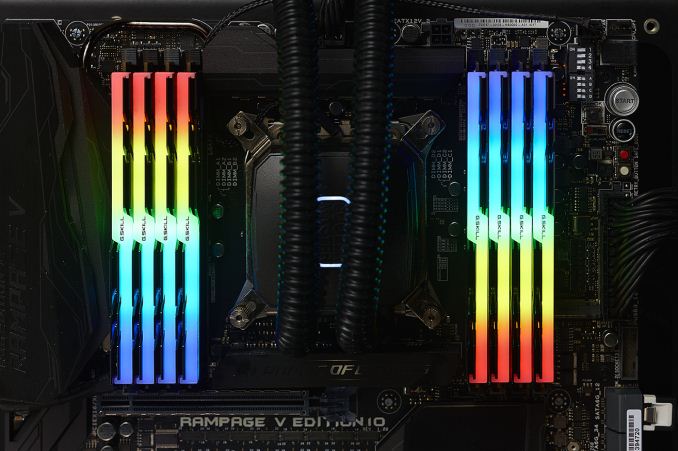
The Trident Z RGB memory modules feature programmable LED lightbars and can change their colors in accordance with user’s demands (G.Skill offers special software to customize lighting effects), providing the ability to modify the look of a PC on the fly. G.Skill first announced its Trident Z RGB memory modules in late 2016 and started to sell them early in 2017. Initially, G.Skill’s Trident Z RGB dual-channel kits were only focused on Intel’s Z270-based platforms and contained 8 GB DIMMs running at up to DDR4-3866 MT/s. Going forward, G.Skill will offer 16 GB Trident Z RGB modules in both dual-channel and quad-channel kits.

Just like the Trident Z RGB 8 GB modules, the Trident Z RGB 16 GB DIMMs are based on Samsung’s 8 Gb B-die memory chips made using 20 nm process technology. The 16 GB modules will run at DDR4-2400 to DDR4-3866 with CL14-18 latencies at 1.2 V or 1.35 V, depending on the kit performance. The Trident Z RGB fully support Intel’s XMP 2.0 as well.
G.Skill’s fastest dual-channel Trident Z RGB 32 GB (2×16 GB) kit will run at 3866 MT/s with CL18 18-18-38 timings. RGB commands a premium, so while the company’s fastest DDR4 kits (rated for DDR4-4266) are not RGB, the new modules are still a very high data rate for 16 GB modules. As for the fastest quad-channel kits, G.Skill now offers the Trident Z RGB 64 GB (4×16 GB) rated to operate at 3600 MT/s with CL17 19-19-39 latency settings as well as the Trident Z RGB 128 GB (8×16 GB) DDR4-3333 kit with CL16 18-18-38 timings.

G.Skill’s New Trident Z RGB Memory for Intel’s X99 and Z270 Platforms
Speed CL Timing Voltage Kit Configuration Kit Capacity
DDR4-2400 CL15 15-15-35 1.2 V 2×16 GB
4×16 GB
8×16 GB
8×8 GB
32 GB
64 GB
128 GB
64 GB
DDR4-3000 CL14 14-14-34 1.35 V*
DDR4-3200 CL14 14-14-34
CL15 15-15-35
DDR4-3333 CL16 18-18-38 8×16 GB
8×8 GB
128 GB
64 GB
DDR4-3466 CL16 18-18-38 2×16 GB
4×16 GB
8×8 GB
32 GB
64 GB
64 GB
DDR4-3600 CL17 19-19-39 2×16 GB
4×16 GB
32 GB
64 GB
DDR4-3866 CL18 18-18-38 2×16 GB 32 GB

*1.35V is the standard high-performance voltage setting for DDR4

While these kits are aimed at Intel systems, we would assume that qualification on Ryzen systems will be an ongoing process. G.Skill has just sent us a 2x8GB DDR4-3200 C14 kit of G.Skill FlareX (non-RGB) modules for our Ryzen testing, so it’s clear that G.Skill (and others) will have AMD qualified kits in their roadmaps. Motherboard manufacturers typically have memory qualified validation lists on their websites for each motherboard, showing which modules have been confirmed to work. Initially it was hit and miss on DRAM qualification with the launch of Ryzen 7 due to timing, but most vendors are falling into place with appropriate BIOS updates.

G.Skill traditionally does not announce MSRPs for its memory modules, due to the volatility of the DRAM ICs, but given the fact that DRAM pricing is generally increasing, expect the new Trident Z RGB kits to be priced at high levels. Moreover, since it is not easy to handpick 8 Gb chips for high-speed 16 GB DDR4 memory modules, expect the manufacturer to charge a premium for kits that use high-capacity DIMMs. As an example, right now G.Skill offers 32 GB (4×8 GB) DDR4-3600 and DDR4-3866 kits without RGB for $410 and $460, respectively.

Related Reading:

G.Skill Announces Trident Z RGB DDR4 Kits with 16 GB Modules, Up to 128 GB

G.Skill Announces Trident Z RGB DDR4 Kits with 16 GB Modules, Up to 128 GB

G.Skill has recently launched new Trident Z RGB memory kits, this time aimed at Intel X99 platforms, and following the RGB trend they give owners of high-end desktops an opportunity to customize the look of DRAM inside their machines. This is also the launch where the company introduces its first 16 GB memory modules with programmable LED lighting.

The Trident Z RGB memory modules feature programmable LED lightbars and can change their colors in accordance with user’s demands (G.Skill offers special software to customize lighting effects), providing the ability to modify the look of a PC on the fly. G.Skill first announced its Trident Z RGB memory modules in late 2016 and started to sell them early in 2017. Initially, G.Skill’s Trident Z RGB dual-channel kits were only focused on Intel’s Z270-based platforms and contained 8 GB DIMMs running at up to DDR4-3866 MT/s. Going forward, G.Skill will offer 16 GB Trident Z RGB modules in both dual-channel and quad-channel kits.

Just like the Trident Z RGB 8 GB modules, the Trident Z RGB 16 GB DIMMs are based on Samsung’s 8 Gb B-die memory chips made using 20 nm process technology. The 16 GB modules will run at DDR4-2400 to DDR4-3866 with CL14-18 latencies at 1.2 V or 1.35 V, depending on the kit performance. The Trident Z RGB fully support Intel’s XMP 2.0 as well.

G.Skill’s fastest dual-channel Trident Z RGB 32 GB (2×16 GB) kit will run at 3866 MT/s with CL18 18-18-38 timings. RGB commands a premium, so while the company’s fastest DDR4 kits (rated for DDR4-4266) are not RGB, the new modules are still a very high data rate for 16 GB modules. As for the fastest quad-channel kits, G.Skill now offers the Trident Z RGB 64 GB (4×16 GB) rated to operate at 3600 MT/s with CL17 19-19-39 latency settings as well as the Trident Z RGB 128 GB (8×16 GB) DDR4-3333 kit with CL16 18-18-38 timings.

G.Skill’s New Trident Z RGB Memory for Intel’s X99 and Z270 Platforms
Speed CL Timing Voltage Kit Configuration Kit Capacity
DDR4-2400 CL15 15-15-35 1.2 V 2×16 GB
4×16 GB
8×16 GB
8×8 GB
32 GB
64 GB
128 GB
64 GB
DDR4-3000 CL14 14-14-34 1.35 V*
DDR4-3200 CL14 14-14-34
CL15 15-15-35
DDR4-3333 CL16 18-18-38 8×16 GB
8×8 GB
128 GB
64 GB
DDR4-3466 CL16 18-18-38 2×16 GB
4×16 GB
8×8 GB
32 GB
64 GB
64 GB
DDR4-3600 CL17 19-19-39 2×16 GB
4×16 GB
32 GB
64 GB
DDR4-3866 CL18 18-18-38 2×16 GB 32 GB

*1.35V is the standard high-performance voltage setting for DDR4

While these kits are aimed at Intel systems, we would assume that qualification on Ryzen systems will be an ongoing process. G.Skill has just sent us a 2x8GB DDR4-3200 C14 kit of G.Skill FlareX (non-RGB) modules for our Ryzen testing, so it’s clear that G.Skill (and others) will have AMD qualified kits in their roadmaps. Motherboard manufacturers typically have memory qualified validation lists on their websites for each motherboard, showing which modules have been confirmed to work. Initially it was hit and miss on DRAM qualification with the launch of Ryzen 7 due to timing, but most vendors are falling into place with appropriate BIOS updates.

G.Skill traditionally does not announce MSRPs for its memory modules, due to the volatility of the DRAM ICs, but given the fact that DRAM pricing is generally increasing, expect the new Trident Z RGB kits to be priced at high levels. Moreover, since it is not easy to handpick 8 Gb chips for high-speed 16 GB DDR4 memory modules, expect the manufacturer to charge a premium for kits that use high-capacity DIMMs. As an example, right now G.Skill offers 32 GB (4×8 GB) DDR4-3600 and DDR4-3866 kits without RGB for $410 and $460, respectively.

Related Reading:

G.Skill Announces Trident Z RGB DDR4 Kits with 16 GB Modules, Up to 128 GB

G.Skill Announces Trident Z RGB DDR4 Kits with 16 GB Modules, Up to 128 GB

G.Skill has recently launched new Trident Z RGB memory kits, this time aimed at Intel X99 platforms, and following the RGB trend they give owners of high-end desktops an opportunity to customize the look of DRAM inside their machines. This is also the launch where the company introduces its first 16 GB memory modules with programmable LED lighting.

The Trident Z RGB memory modules feature programmable LED lightbars and can change their colors in accordance with user’s demands (G.Skill offers special software to customize lighting effects), providing the ability to modify the look of a PC on the fly. G.Skill first announced its Trident Z RGB memory modules in late 2016 and started to sell them early in 2017. Initially, G.Skill’s Trident Z RGB dual-channel kits were only focused on Intel’s Z270-based platforms and contained 8 GB DIMMs running at up to DDR4-3866 MT/s. Going forward, G.Skill will offer 16 GB Trident Z RGB modules in both dual-channel and quad-channel kits.

Just like the Trident Z RGB 8 GB modules, the Trident Z RGB 16 GB DIMMs are based on Samsung’s 8 Gb B-die memory chips made using 20 nm process technology. The 16 GB modules will run at DDR4-2400 to DDR4-3866 with CL14-18 latencies at 1.2 V or 1.35 V, depending on the kit performance. The Trident Z RGB fully support Intel’s XMP 2.0 as well.

G.Skill’s fastest dual-channel Trident Z RGB 32 GB (2×16 GB) kit will run at 3866 MT/s with CL18 18-18-38 timings. RGB commands a premium, so while the company’s fastest DDR4 kits (rated for DDR4-4266) are not RGB, the new modules are still a very high data rate for 16 GB modules. As for the fastest quad-channel kits, G.Skill now offers the Trident Z RGB 64 GB (4×16 GB) rated to operate at 3600 MT/s with CL17 19-19-39 latency settings as well as the Trident Z RGB 128 GB (8×16 GB) DDR4-3333 kit with CL16 18-18-38 timings.

G.Skill’s New Trident Z RGB Memory for Intel’s X99 and Z270 Platforms
Speed CL Timing Voltage Kit Configuration Kit Capacity
DDR4-2400 CL15 15-15-35 1.2 V 2×16 GB
4×16 GB
8×16 GB
8×8 GB
32 GB
64 GB
128 GB
64 GB
DDR4-3000 CL14 14-14-34 1.35 V*
DDR4-3200 CL14 14-14-34
CL15 15-15-35
DDR4-3333 CL16 18-18-38 8×16 GB
8×8 GB
128 GB
64 GB
DDR4-3466 CL16 18-18-38 2×16 GB
4×16 GB
8×8 GB
32 GB
64 GB
64 GB
DDR4-3600 CL17 19-19-39 2×16 GB
4×16 GB
32 GB
64 GB
DDR4-3866 CL18 18-18-38 2×16 GB 32 GB

*1.35V is the standard high-performance voltage setting for DDR4

While these kits are aimed at Intel systems, we would assume that qualification on Ryzen systems will be an ongoing process. G.Skill has just sent us a 2x8GB DDR4-3200 C14 kit of G.Skill FlareX (non-RGB) modules for our Ryzen testing, so it’s clear that G.Skill (and others) will have AMD qualified kits in their roadmaps. Motherboard manufacturers typically have memory qualified validation lists on their websites for each motherboard, showing which modules have been confirmed to work. Initially it was hit and miss on DRAM qualification with the launch of Ryzen 7 due to timing, but most vendors are falling into place with appropriate BIOS updates.

G.Skill traditionally does not announce MSRPs for its memory modules, due to the volatility of the DRAM ICs, but given the fact that DRAM pricing is generally increasing, expect the new Trident Z RGB kits to be priced at high levels. Moreover, since it is not easy to handpick 8 Gb chips for high-speed 16 GB DDR4 memory modules, expect the manufacturer to charge a premium for kits that use high-capacity DIMMs. As an example, right now G.Skill offers 32 GB (4×8 GB) DDR4-3600 and DDR4-3866 kits without RGB for $410 and $460, respectively.

Related Reading:
ADATA Announces The XPG SX7000 Series SSDs: Up to 1 TB, M.2, PCIe 3.0 x4

ADATA Announces The XPG SX7000 Series SSDs: Up to 1 TB, M.2, PCIe 3.0 x4

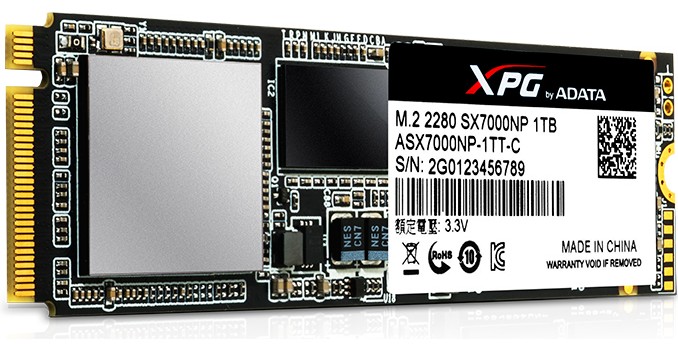
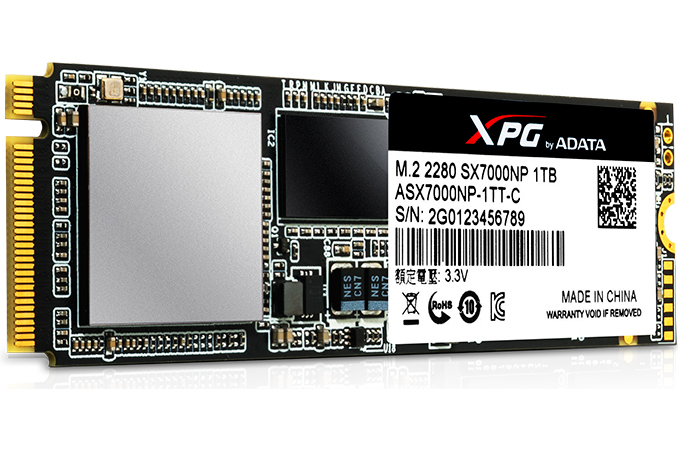
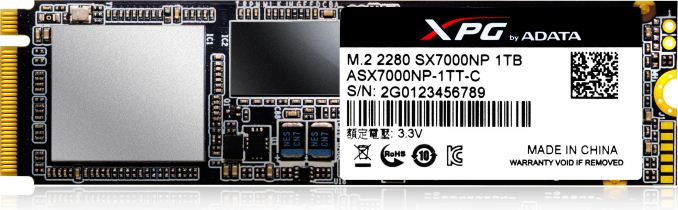
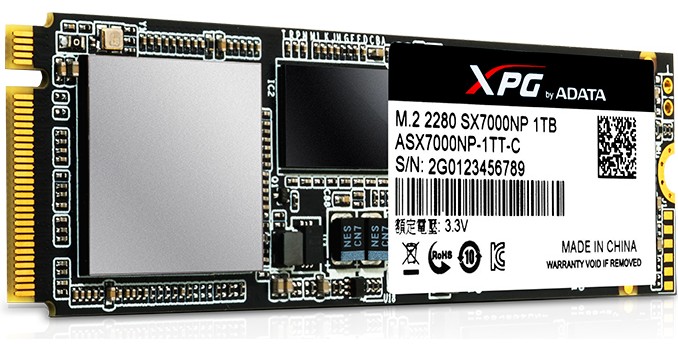
ADATA has announced its new lineup of SSDs designed to combine high-performance with 3D TLC flash memory. The new XPG SX7000 is positioned below ADATA’s flagship XPG SX8000 series, but for those looking for something more powerful than a typical SATA drive, but not ready to invest in a super high-end SSD, this is the market ADATA is aiming for.

The ADATA XPG SX7000 series lineup comes in an M.2-2280 form-factor, uses PCIe 3.0 x4 and features 128 GB, 256 GB, 512 GB as well as 1 TB capacities. Worth noting, however, that traditionally for ADATA the highest-capacity drives will be available at a later date. Just like the higher-end XPG SX8000, the new SSDs are powered by Silicon Motion’s SM2260 controller but has 3D TLC NAND (presumably from Micron). 

The SM2260 is a controller we’re starting to see a lot more of – as a controller it has two ARM Cortex cores, features eight NAND flash channels, LDPC ECC technology, 256-bit AES support and so on, although different drives may have different features enabled/disabled.

From a performance point of view, the ADATA XPG SX7000 drives are very different from each other due to the level of parallelism afforded by the controller/NAND combinations. For the 512 GB version, it is rated for sequential read speed up to 1750 MB/s as well as for sequential write speed up to 860 MB/s when pseudo-SLC caching is used. As for random performance, the 512 GB drive can offer up to 130K/140K 4 KB read/write IOPS. When it comes to the XPG SX7000 128 GB, the lowest capacity of the set, we are dealing with a drive capable of up to 660/450 MB/s sequential read/write performance as well as 35K/95K read/write IOPS. The drive is slightly faster than SATA SSDs based on TLC NAND, but it should offer higher endurance because 3D TLC NAND is made using larger process technologies and can account for voltage drift better.

Speaking of endurance, the XPG SX7000 come with a five-year limited warranty and are rated for 2 million hours MTBF. As for the TBW rating, the 128 GB SSD is rated for 80 TB, whereas the 512 GB version is capable of 320 TBW, which equals to around 0.3 DWPD (drive writes per day) across the warranty lifetime.

ADATA XPG SX7000 Specifications
Capacity 128 GB 256 GB 512 GB 1 TB
Model Number ASX7000NP-
128GT-C
ASX7000NP-
256GT-C
ASX7000NP-
512GT-C
unknown
Controller Silicon Motion SM2260
NAND Flash 3D TLC NAND
Form-Factor, Interface M.2-2280, PCIe 3.0 x4, NVMe 1.2
Sequential Read 660 MB/s 1370 MB/s 1750 MB/s unknown
Sequential Write 450 MB/s 820 MB/s 860 MB/s unknown
Random Read IOPS 35K IOPS 70K IOPS 130K IOPS unknown
Random Write IOPS 95K IOPS 130K IOPS 140K IOPS unknown
Pseudo-SLC Caching Supported
DRAM Buffer Yes, capacity unknown
TCG Opal Encryption No
Power Management DevSleep, Slumber
Warranty 5 years
MTBF 2,000,000 hours
MSRP Unknown Unknown Unknown Unknown

The ADATA XPG SX7000 SSDs are expected to hit the shelves in the coming weeks. Micron’s 3D TLC memory has been in mass production for several quarters now and ADATA has offered SATA drives featuring this memory for several months. As a result, the supply of 3D TLC NAND is not going to be a problem. As for pricing, expect the XPG SX7000-series to be cheaper compared to the higher-end XPG SX8000.

Related Reading:

ADATA Announces The XPG SX7000 Series SSDs: Up to 1 TB, M.2, PCIe 3.0 x4

ADATA Announces The XPG SX7000 Series SSDs: Up to 1 TB, M.2, PCIe 3.0 x4

ADATA has announced its new lineup of SSDs designed to combine high-performance with 3D TLC flash memory. The new XPG SX7000 is positioned below ADATA’s flagship XPG SX8000 series, but for those looking for something more powerful than a typical SATA drive, but not ready to invest in a super high-end SSD, this is the market ADATA is aiming for.

The ADATA XPG SX7000 series lineup comes in an M.2-2280 form-factor, uses PCIe 3.0 x4 and features 128 GB, 256 GB, 512 GB as well as 1 TB capacities. Worth noting, however, that traditionally for ADATA the highest-capacity drives will be available at a later date. Just like the higher-end XPG SX8000, the new SSDs are powered by Silicon Motion’s SM2260 controller but has 3D TLC NAND (presumably from Micron). 

The SM2260 is a controller we’re starting to see a lot more of – as a controller it has two ARM Cortex cores, features eight NAND flash channels, LDPC ECC technology, 256-bit AES support and so on, although different drives may have different features enabled/disabled.

From a performance point of view, the ADATA XPG SX7000 drives are very different from each other due to the level of parallelism afforded by the controller/NAND combinations. For the 512 GB version, it is rated for sequential read speed up to 1750 MB/s as well as for sequential write speed up to 860 MB/s when pseudo-SLC caching is used. As for random performance, the 512 GB drive can offer up to 130K/140K 4 KB read/write IOPS. When it comes to the XPG SX7000 128 GB, the lowest capacity of the set, we are dealing with a drive capable of up to 660/450 MB/s sequential read/write performance as well as 35K/95K read/write IOPS. The drive is slightly faster than SATA SSDs based on TLC NAND, but it should offer higher endurance because 3D TLC NAND is made using larger process technologies and can account for voltage drift better.

Speaking of endurance, the XPG SX7000 come with a five-year limited warranty and are rated for 2 million hours MTBF. As for the TBW rating, the 128 GB SSD is rated for 80 TB, whereas the 512 GB version is capable of 320 TBW, which equals to around 0.3 DWPD (drive writes per day) across the warranty lifetime.

ADATA XPG SX7000 Specifications
Capacity 128 GB 256 GB 512 GB 1 TB
Model Number ASX7000NP-
128GT-C
ASX7000NP-
256GT-C
ASX7000NP-
512GT-C
unknown
Controller Silicon Motion SM2260
NAND Flash 3D TLC NAND
Form-Factor, Interface M.2-2280, PCIe 3.0 x4, NVMe 1.2
Sequential Read 660 MB/s 1370 MB/s 1750 MB/s unknown
Sequential Write 450 MB/s 820 MB/s 860 MB/s unknown
Random Read IOPS 35K IOPS 70K IOPS 130K IOPS unknown
Random Write IOPS 95K IOPS 130K IOPS 140K IOPS unknown
Pseudo-SLC Caching Supported
DRAM Buffer Yes, capacity unknown
TCG Opal Encryption No
Power Management DevSleep, Slumber
Warranty 5 years
MTBF 2,000,000 hours
MSRP Unknown Unknown Unknown Unknown

The ADATA XPG SX7000 SSDs are expected to hit the shelves in the coming weeks. Micron’s 3D TLC memory has been in mass production for several quarters now and ADATA has offered SATA drives featuring this memory for several months. As a result, the supply of 3D TLC NAND is not going to be a problem. As for pricing, expect the XPG SX7000-series to be cheaper compared to the higher-end XPG SX8000.

Related Reading: