Vik


Razer Updates The Razer Blade Pro With THX Certification
Razer Updates The Razer Blade Pro With THX Certification

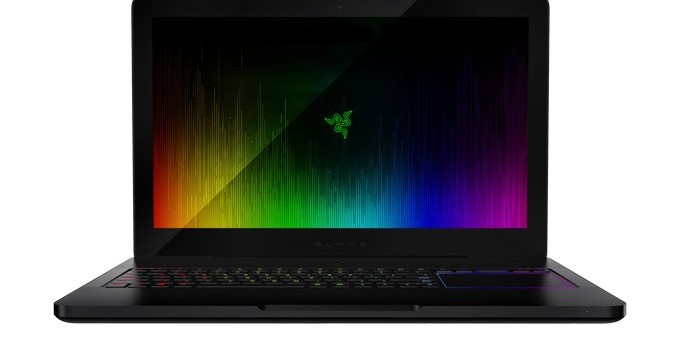
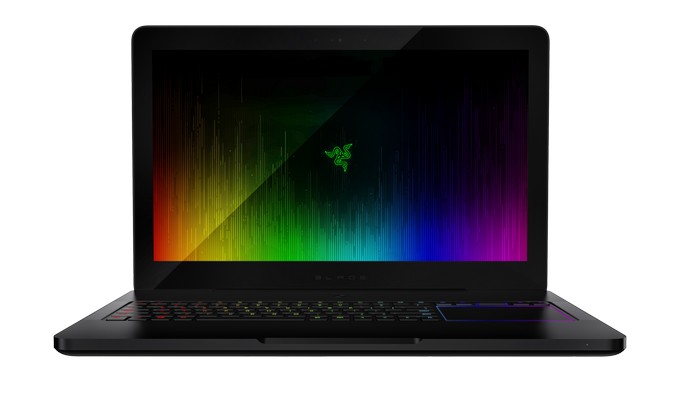
Late last year, Razer acquired the majority of THX, and while it may have seemed like something outside their normal realm, today Razer is announcing an updated Razer Blade Pro, with THX Certification. For those unfamiliar, THX has been certifying audio and video equipment for decades, with an initial focus on the cinema, and then branching out in to consumer electronics. With their new parent company, it makes a lot of sense to branch into computer certification.

First, let’s go over what’s new on the Razer Blade Pro. Just this month, Brandon finished his review on the Razer Blade Pro which launched late last year. The updated model launching today has some decent upgrades over the original model. First off, the CPU has been upgraded to Kaby Lake, but rather than doing a straight swap from the Core i7-6700HQ to the Core i7-7700HQ, Razer has gone with the Core i7-7820HK processor, which is 2.9-3.9 GHz, but it is also an unlocked processor, and Razer is supporting CPU overclocking in the Synapse software. One of the issues Brandon pointed out in the review was that Razer was billing the Razer Blade Pro as the ultimate laptop, but they went with the same quad-core processor as far less expensive laptops, so this is a great change. There’s only one quad-core mobile part over this, and it’s not unlocked, and being unlocked is going to improve the appeal to this market. In addition, Razer has bumped the RAM frequency to DDR4 2667 MHz, up from 2133 MHz DDR4 previously. It’s a small change, but a welcome one.

The other specifications have not changed. It still features a NVIDIA GTX 1080 8 GB graphics card, driving a 17.3-inch UHD 3840×2160 IGZO G-SYNC display, with 100% Adobe RGB color gamut, and 512 GB to 2 TB SSD support in RAID 0 with two SSDs. We’ve said this before, but honestly one good SSD would be better for most users, but it seems like the gaming market is migrating towards RAID 0 again. The form factor, light weight for a laptop of this performance, and other items remain.

Razer Blade Pro
Model 2017 2016
CPU Intel Core i7-7820HK
4C/8T
2.9-3.9 GHz
8MB Cache
45W TDP
Intel Core i7-6700HQ
4C/8T
2.6-3.5 GHz
6MB Cache
45W TDP
GPU NVIDIA GTX 1080 8GB
2560 CUDA Cores
1556 – 1733 (Boost) MHz
Memory 32 GB 2667MHz DDR4 32 GB 2133MHz DDR4
Display 17.3″ 3840×2160 60 Hz w/G-SYNC
Storage 512GB (2 x 256GB) M.2 PCIe SSD
1TB (2 x 512GB) M.2 PCIe SSD
2TB (2 x 1TB) M.2 PCIe SSD
I/O 3 x USB 3.0 Ports
1 x Thunderbolt 3
1 x HDMI 2.0
SD Card Slot
1 x Headset Jack
1 x Killer E2400 Ethernet (10/100/1000Mbps)
Dimensions 22.5mm x 424mm x 281mm (HxWxD)
0.88″ x 16.7″ x 11″ (HxWxD)
Weight 3.54 kg / 7.8 lbs
Battery 99 Wh, 250W AC Adapter
Wireless Killer Wireless-AC 1535
2×2:2 with Bluetooth 4.1
Price $3999.99 and up $3699.99 512GB
$3999.99 1TB (Model tested)
$4499.99 2TB

The big new feature is THX Certification, and the Razer Blade Pro is the first laptop to be qualified for THX Mobile Certification. I spoke with Razer and THX about what this entails, and it appears to be good news for end users. THX tests several models from the pre-production phase onwards, with feedback from the first test looping back into the hardware configuration until the later generation units meet the testing guidelines. What those guidelines are, are unfortunately still a mystery, since THX and Razer have not gotten back to us yet on their targets, but if they do we will let you know. THX did say that they test panel performance on brightness and contrast, and are including a color profile to give a white point of D65, Rec. 709 color gamut, and low error levels, although low wasn’t defined at our meeting. The color gamut support here is important, since previous to this, the Razer Blade Pro only displayed in the Adobe RGB color space, which is much wider than sRGB. This leads to blown out colors, unless the app itself is color managed, which is a rare thing in Windows. This new color profile from THX should alleviate one of the biggest issues with the Razer Blade Pro in day to day use.

The second part of THX Mobile Certification is for audio, and while you may be expecting this to apply to the speakers, it’s actually certification for the headphone jack. This might seem a bit odd, but with the noise level of a thin and powerful system, certifying the headphone jack is arguably the better call, and honestly there’s little chance for small laptop speakers to meet much of a certification anyway. On the headphone jack, THX certification means that there has to be a flat frequency response, even with different impedance loads from different headphones, along with low distortion and high power, and a low noise floor to ensure there is no background hiss. Assuming the Razer Blade Pro didn’t already meet these targets, this should mean an improved experience from the headphone jack, although as with the display certification, we were not provided exact certification standards.

There are certainly going to be people who feel this kind of certification isn’t necessary, but there definitely is some extra confidence when you purchase something as expensive as a Razer Blade Pro, and you are ensured that the display and audio meet a certain threshold of performance. The addition of a Rec. 709 color gamut profile from THX for the Razer Blade Pro is a big win for end users as well, since there was no way before to cap the color gamut for apps with no color management.

With the new overclockable CPU, faster memory, and THX Certification, Razer has also bumped the starting price to $3999.99, and availability will start in April on Razerzone.com.

Source: Razer
Razer Updates The Razer Blade Pro With THX Certification

Razer Updates The Razer Blade Pro With THX Certification

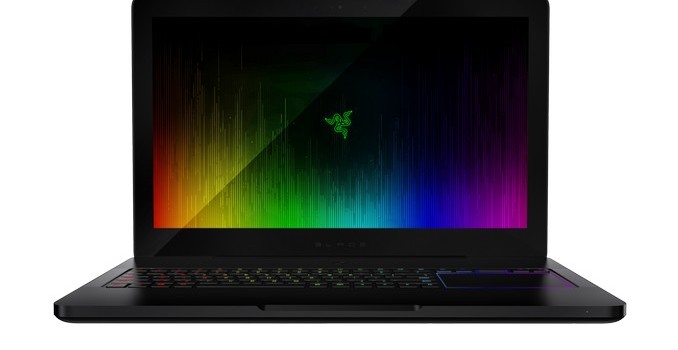
Late last year, Razer acquired the majority of THX, and while it may have seemed like something outside their normal realm, today Razer is announcing an updated Razer Blade Pro, with THX Certification. For those unfamiliar, THX has been certifying audio and video equipment for decades, with an initial focus on the cinema, and then branching out in to consumer electronics. With their new parent company, it makes a lot of sense to branch into computer certification.

First, let’s go over what’s new on the Razer Blade Pro. Just this month, Brandon finished his review on the Razer Blade Pro which launched late last year. The updated model launching today has some decent upgrades over the original model. First off, the CPU has been upgraded to Kaby Lake, but rather than doing a straight swap from the Core i7-6700HQ to the Core i7-7700HQ, Razer has gone with the Core i7-7820HK processor, which is 2.9-3.9 GHz, but it is also an unlocked processor, and Razer is supporting CPU overclocking in the Synapse software. One of the issues Brandon pointed out in the review was that Razer was billing the Razer Blade Pro as the ultimate laptop, but they went with the same quad-core processor as far less expensive laptops, so this is a great change. There’s only one quad-core mobile part over this, and it’s not unlocked, and being unlocked is going to improve the appeal to this market. In addition, Razer has bumped the RAM frequency to DDR4 2667 MHz, up from 2133 MHz DDR4 previously. It’s a small change, but a welcome one.

The other specifications have not changed. It still features a NVIDIA GTX 1080 8 GB graphics card, driving a 17.3-inch UHD 3840×2160 IGZO G-SYNC display, with 100% Adobe RGB color gamut, and 512 GB to 2 TB SSD support in RAID 0 with two SSDs. We’ve said this before, but honestly one good SSD would be better for most users, but it seems like the gaming market is migrating towards RAID 0 again. The form factor, light weight for a laptop of this performance, and other items remain.

Razer Blade Pro
Model 2017 2016
CPU Intel Core i7-7820HK
4C/8T
2.9-3.9 GHz
8MB Cache
45W TDP
Intel Core i7-6700HQ
4C/8T
2.6-3.5 GHz
6MB Cache
45W TDP
GPU NVIDIA GTX 1080 8GB
2560 CUDA Cores
1556 – 1733 (Boost) MHz
Memory 32 GB 2667MHz DDR4 32 GB 2133MHz DDR4
Display 17.3″ 3840×2160 60 Hz w/G-SYNC
Storage 512GB (2 x 256GB) M.2 PCIe SSD
1TB (2 x 512GB) M.2 PCIe SSD
2TB (2 x 1TB) M.2 PCIe SSD
I/O 3 x USB 3.0 Ports
1 x Thunderbolt 3
1 x HDMI 2.0
SD Card Slot
1 x Headset Jack
1 x Killer E2400 Ethernet (10/100/1000Mbps)
Dimensions 22.5mm x 424mm x 281mm (HxWxD)
0.88″ x 16.7″ x 11″ (HxWxD)
Weight 3.54 kg / 7.8 lbs
Battery 99 Wh, 250W AC Adapter
Wireless Killer Wireless-AC 1535
2×2:2 with Bluetooth 4.1
Price $3999.99 and up $3699.99 512GB
$3999.99 1TB (Model tested)
$4499.99 2TB

The big new feature is THX Certification, and the Razer Blade Pro is the first laptop to be qualified for THX Mobile Certification. I spoke with Razer and THX about what this entails, and it appears to be good news for end users. THX tests several models from the pre-production phase onwards, with feedback from the first test looping back into the hardware configuration until the later generation units meet the testing guidelines. What those guidelines are, are unfortunately still a mystery, since THX and Razer have not gotten back to us yet on their targets, but if they do we will let you know. THX did say that they test panel performance on brightness and contrast, and are including a color profile to give a white point of D65, Rec. 709 color gamut, and low error levels, although low wasn’t defined at our meeting. The color gamut support here is important, since previous to this, the Razer Blade Pro only displayed in the Adobe RGB color space, which is much wider than sRGB. This leads to blown out colors, unless the app itself is color managed, which is a rare thing in Windows. This new color profile from THX should alleviate one of the biggest issues with the Razer Blade Pro in day to day use.

The second part of THX Mobile Certification is for audio, and while you may be expecting this to apply to the speakers, it’s actually certification for the headphone jack. This might seem a bit odd, but with the noise level of a thin and powerful system, certifying the headphone jack is arguably the better call, and honestly there’s little chance for small laptop speakers to meet much of a certification anyway. On the headphone jack, THX certification means that there has to be a flat frequency response, even with different impedance loads from different headphones, along with low distortion and high power, and a low noise floor to ensure there is no background hiss. Assuming the Razer Blade Pro didn’t already meet these targets, this should mean an improved experience from the headphone jack, although as with the display certification, we were not provided exact certification standards.

There are certainly going to be people who feel this kind of certification isn’t necessary, but there definitely is some extra confidence when you purchase something as expensive as a Razer Blade Pro, and you are ensured that the display and audio meet a certain threshold of performance. The addition of a Rec. 709 color gamut profile from THX for the Razer Blade Pro is a big win for end users as well, since there was no way before to cap the color gamut for apps with no color management.

With the new overclockable CPU, faster memory, and THX Certification, Razer has also bumped the starting price to $3999.99, and availability will start in April on Razerzone.com.

Source: Razer
Razer Updates The Razer Blade Pro With THX Certification

Razer Updates The Razer Blade Pro With THX Certification

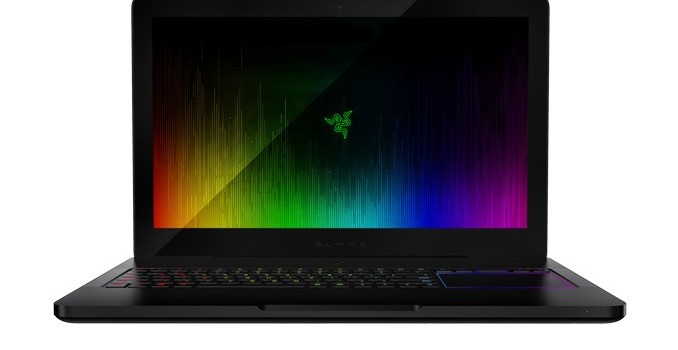
Late last year, Razer acquired the majority of THX, and while it may have seemed like something outside their normal realm, today Razer is announcing an updated Razer Blade Pro, with THX Certification. For those unfamiliar, THX has been certifying audio and video equipment for decades, with an initial focus on the cinema, and then branching out in to consumer electronics. With their new parent company, it makes a lot of sense to branch into computer certification.

First, let’s go over what’s new on the Razer Blade Pro. Just this month, Brandon finished his review on the Razer Blade Pro which launched late last year. The updated model launching today has some decent upgrades over the original model. First off, the CPU has been upgraded to Kaby Lake, but rather than doing a straight swap from the Core i7-6700HQ to the Core i7-7700HQ, Razer has gone with the Core i7-7820HK processor, which is 2.9-3.9 GHz, but it is also an unlocked processor, and Razer is supporting CPU overclocking in the Synapse software. One of the issues Brandon pointed out in the review was that Razer was billing the Razer Blade Pro as the ultimate laptop, but they went with the same quad-core processor as far less expensive laptops, so this is a great change. There’s only one quad-core mobile part over this, and it’s not unlocked, and being unlocked is going to improve the appeal to this market. In addition, Razer has bumped the RAM frequency to DDR4 2667 MHz, up from 2133 MHz DDR4 previously. It’s a small change, but a welcome one.

The other specifications have not changed. It still features a NVIDIA GTX 1080 8 GB graphics card, driving a 17.3-inch UHD 3840×2160 IGZO G-SYNC display, with 100% Adobe RGB color gamut, and 512 GB to 2 TB SSD support in RAID 0 with two SSDs. We’ve said this before, but honestly one good SSD would be better for most users, but it seems like the gaming market is migrating towards RAID 0 again. The form factor, light weight for a laptop of this performance, and other items remain.

Razer Blade Pro
Model 2017 2016
CPU Intel Core i7-7820HK
4C/8T
2.9-3.9 GHz
8MB Cache
45W TDP
Intel Core i7-6700HQ
4C/8T
2.6-3.5 GHz
6MB Cache
45W TDP
GPU NVIDIA GTX 1080 8GB
2560 CUDA Cores
1556 – 1733 (Boost) MHz
Memory 32 GB 2667MHz DDR4 32 GB 2133MHz DDR4
Display 17.3″ 3840×2160 60 Hz w/G-SYNC
Storage 512GB (2 x 256GB) M.2 PCIe SSD
1TB (2 x 512GB) M.2 PCIe SSD
2TB (2 x 1TB) M.2 PCIe SSD
I/O 3 x USB 3.0 Ports
1 x Thunderbolt 3
1 x HDMI 2.0
SD Card Slot
1 x Headset Jack
1 x Killer E2400 Ethernet (10/100/1000Mbps)
Dimensions 22.5mm x 424mm x 281mm (HxWxD)
0.88″ x 16.7″ x 11″ (HxWxD)
Weight 3.54 kg / 7.8 lbs
Battery 99 Wh, 250W AC Adapter
Wireless Killer Wireless-AC 1535
2×2:2 with Bluetooth 4.1
Price $3999.99 and up $3699.99 512GB
$3999.99 1TB (Model tested)
$4499.99 2TB

The big new feature is THX Certification, and the Razer Blade Pro is the first laptop to be qualified for THX Mobile Certification. I spoke with Razer and THX about what this entails, and it appears to be good news for end users. THX tests several models from the pre-production phase onwards, with feedback from the first test looping back into the hardware configuration until the later generation units meet the testing guidelines. What those guidelines are, are unfortunately still a mystery, since THX and Razer have not gotten back to us yet on their targets, but if they do we will let you know. THX did say that they test panel performance on brightness and contrast, and are including a color profile to give a white point of D65, Rec. 709 color gamut, and low error levels, although low wasn’t defined at our meeting. The color gamut support here is important, since previous to this, the Razer Blade Pro only displayed in the Adobe RGB color space, which is much wider than sRGB. This leads to blown out colors, unless the app itself is color managed, which is a rare thing in Windows. This new color profile from THX should alleviate one of the biggest issues with the Razer Blade Pro in day to day use.

The second part of THX Mobile Certification is for audio, and while you may be expecting this to apply to the speakers, it’s actually certification for the headphone jack. This might seem a bit odd, but with the noise level of a thin and powerful system, certifying the headphone jack is arguably the better call, and honestly there’s little chance for small laptop speakers to meet much of a certification anyway. On the headphone jack, THX certification means that there has to be a flat frequency response, even with different impedance loads from different headphones, along with low distortion and high power, and a low noise floor to ensure there is no background hiss. Assuming the Razer Blade Pro didn’t already meet these targets, this should mean an improved experience from the headphone jack, although as with the display certification, we were not provided exact certification standards.

There are certainly going to be people who feel this kind of certification isn’t necessary, but there definitely is some extra confidence when you purchase something as expensive as a Razer Blade Pro, and you are ensured that the display and audio meet a certain threshold of performance. The addition of a Rec. 709 color gamut profile from THX for the Razer Blade Pro is a big win for end users as well, since there was no way before to cap the color gamut for apps with no color management.

With the new overclockable CPU, faster memory, and THX Certification, Razer has also bumped the starting price to $3999.99, and availability will start in April on Razerzone.com.

Source: Razer
Netgear Expands Orbi Wi-Fi System Family with AC2200 Kits

Netgear Expands Orbi Wi-Fi System Family with AC2200 Kits

Netgear introduced their first product in the Wi-Fi system / mesh category, the Orbi, in August 2016. Its dedicated wireless backhaul (4×4 802.11ac / 1733 Mbps) and 2×2 radios with MU-MIMO support for the clients (on both the router and the satellite) made it one of the best performing Wi-Fi system kits in the market. Since the introduction of the Orbi RBK50 (AC3000), various vendors in the Wi-Fi market have come with their own variants. The increasing competition has turned out to be good for consumers, resulting in kits getting introduced at very competitive price points.

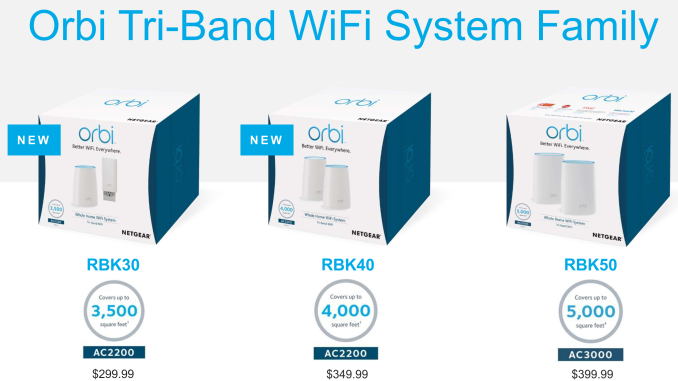
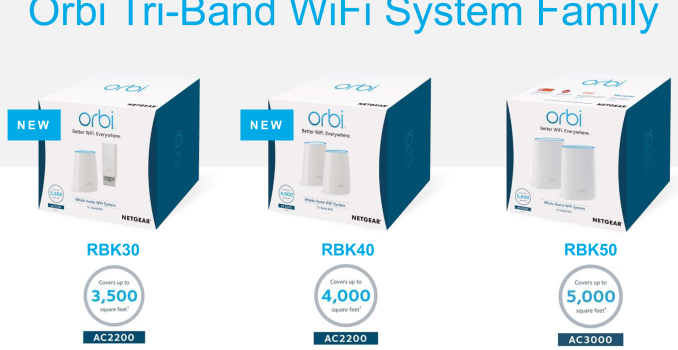
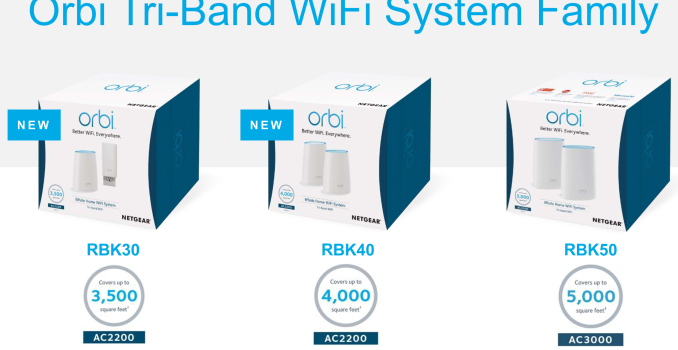
Many mesh systems come in packs of three, but, Orbi stood out with its claim of being able to blanket a 4000 sq. ft house with just a router and a satellite. Despite the high price (mainly due to additional hardware, compared to a regular router), mesh / Wi-Fi systems have been enjoying very good market reception. In order to tackle the increased competition (often coming in at a lower price point compared to the Netgear Orbi RBK50 kit), Netgear is introducing two additional members in the Orbi family – the RBK30 and RBK40. Like the RBK50, the main unit and the satellite in the RBK40 are similar in appearance and available interfaces. However, the physical dimensions of the RBK40’s components are smaller than that of the RBK50. The RBK40 and the RBK30 share the same router, but, the satellite in the latter is of the wall-plug variety and has no wired ports. The other differences between the three are summarized in the table below.

Netgear Orbi Kits (Q1 2017)
Aspect RBK50 RBK40 RBK30
Class AC3000 AC2200
Backhaul 4×4 802.11 ac (1733Mbps) 2×2 802.11ac (866 Mbps)
Clients 2×2 802.11bgn/ac (400Mbps + 866 Mbps)
Wired Configuation (Router) 1xWAN + 4xLAN GbE Ports
Wired Configuration (Satellite) 5x GbE Ports None
Launch Date Aug. 2016 Mar. 2017
Launch MSRP $400 $350 $300

Netgear is able to reach these lower price points due to the following changes compared to the RBK50:

  • Replacement of the 4×4 backhaul radio with a 2×2 one (AC3000-class to AC2200-class) in both the RBK30 and RBK40
  • Updates to the power amplifiers to meet the lowered range requirements in the RBK30 and RBK40
  • Removal of the 4-port wired switch in the RBK30’s satellite

During the press briefing, Netgear emphasized that they support both PC-based and mobile app-based setup for the Orbi. Particular stress was also made on the ability of the Orbi kits to operate effectively without any reliance on the cloud (unlike products such as the Google OnHub that have encountered various issues due to over-reliance on the cloud for day-to-day operation).

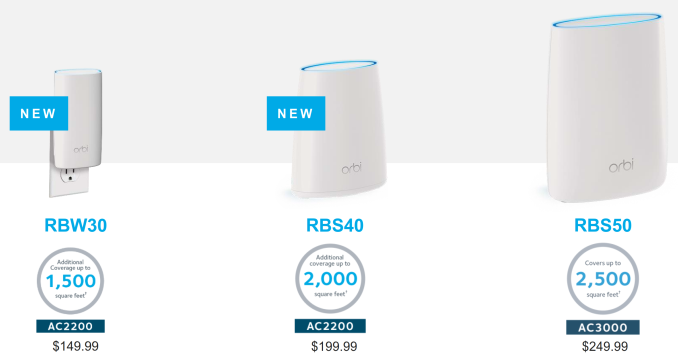
Netgear is also making the satellites available for purchase separately. The price points for these extenders range from $150 for the wall-plug variety to $250 for the one with the 4×4 backhaul link.

The new Orbi products also use the same Qualcomm Atheros IPQ4019 network processor SoC, along with the Wi-Fi SON features. While retaining the same feature set, the RBK30 and RBK40 expand the target market for Wi-Fi systems. The lower price points will also help Netgear in tackling the increasing competition.

Netgear Expands Orbi Wi-Fi System Family with AC2200 Kits

Netgear Expands Orbi Wi-Fi System Family with AC2200 Kits

Netgear introduced their first product in the Wi-Fi system / mesh category, the Orbi, in August 2016. Its dedicated wireless backhaul (4×4 802.11ac / 1733 Mbps) and 2×2 radios with MU-MIMO support for the clients (on both the router and the satellite) made it one of the best performing Wi-Fi system kits in the market. Since the introduction of the Orbi RBK50 (AC3000), various vendors in the Wi-Fi market have come with their own variants. The increasing competition has turned out to be good for consumers, resulting in kits getting introduced at very competitive price points.

Many mesh systems come in packs of three, but, Orbi stood out with its claim of being able to blanket a 4000 sq. ft house with just a router and a satellite. Despite the high price (mainly due to additional hardware, compared to a regular router), mesh / Wi-Fi systems have been enjoying very good market reception. In order to tackle the increased competition (often coming in at a lower price point compared to the Netgear Orbi RBK50 kit), Netgear is introducing two additional members in the Orbi family – the RBK30 and RBK40. Like the RBK50, the main unit and the satellite in the RBK40 are similar in appearance and available interfaces. However, the physical dimensions of the RBK40’s components are smaller than that of the RBK50. The RBK40 and the RBK30 share the same router, but, the satellite in the latter is of the wall-plug variety and has no wired ports. The other differences between the three are summarized in the table below.

Netgear Orbi Kits (Q1 2017)
Aspect RBK50 RBK40 RBK30
Class AC3000 AC2200
Backhaul 4×4 802.11 ac (1733Mbps) 2×2 802.11ac (866 Mbps)
Clients 2×2 802.11bgn/ac (400Mbps + 866 Mbps)
Wired Configuation (Router) 1xWAN + 4xLAN GbE Ports
Wired Configuration (Satellite) 5x GbE Ports None
Launch Date Aug. 2016 Mar. 2017
Launch MSRP $400 $350 $300

Netgear is able to reach these lower price points due to the following changes compared to the RBK50:

  • Replacement of the 4×4 backhaul radio with a 2×2 one (AC3000-class to AC2200-class) in both the RBK30 and RBK40
  • Updates to the power amplifiers to meet the lowered range requirements in the RBK30 and RBK40
  • Removal of the 4-port wired switch in the RBK30’s satellite

During the press briefing, Netgear emphasized that they support both PC-based and mobile app-based setup for the Orbi. Particular stress was also made on the ability of the Orbi kits to operate effectively without any reliance on the cloud (unlike products such as the Google OnHub that have encountered various issues due to over-reliance on the cloud for day-to-day operation).

Netgear is also making the satellites available for purchase separately. The price points for these extenders range from $150 for the wall-plug variety to $250 for the one with the 4×4 backhaul link.

The new Orbi products also use the same Qualcomm Atheros IPQ4019 network processor SoC, along with the Wi-Fi SON features. While retaining the same feature set, the RBK30 and RBK40 expand the target market for Wi-Fi systems. The lower price points will also help Netgear in tackling the increasing competition.