Vik


Tag Heuer Connected Modular 45: Atom Z3400, Android Wear 2.0, Starts at $1650
Tag Heuer Connected Modular 45: Atom Z3400, Android Wear 2.0, Starts at $1650

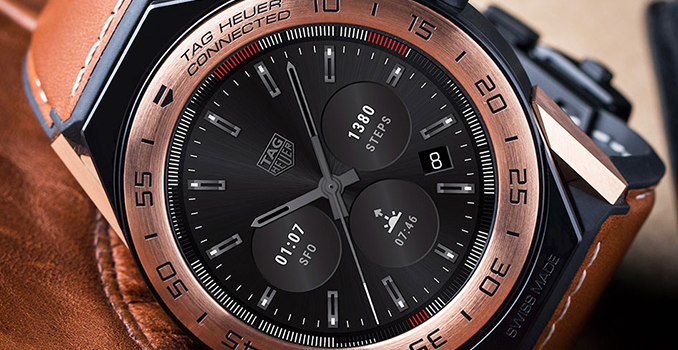
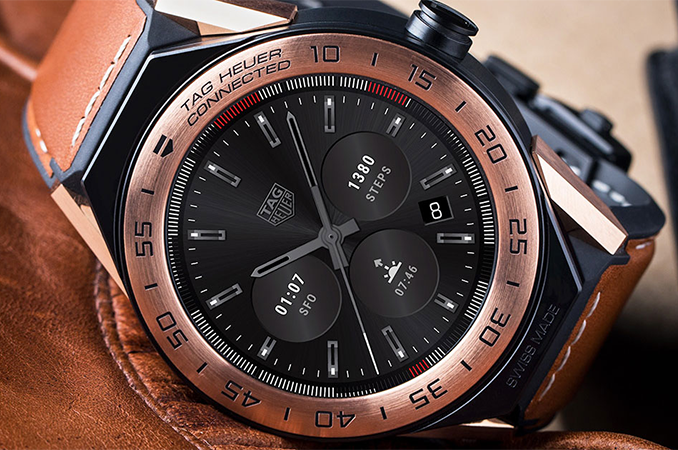
Tag Heuer last week announced its new generation smartwatch, co-developed with Google and Intel. The new Connected Modular 45 timepiece uses an Intel SoC, runs Google’s Android Wear 2.0, and is listed with ‘expanded functionality’. Tag Heuer will also offer a variety of customization options for the new smartwatch and aim to address different market segments with the new product. Furthermore, the watchmaker says that the Connected Modular 45 design could easily fit a mechanical module and be converted into a regular timepiece.

Tag Heuer, Google and Intel formally introduced their first-gen connected smartwatch in late-2015. The wristwatch was the first device of the kind for Tag Heuer and for Intel, and so it was largely a test vehicle for both of them. As it turned out, the Tag Heuer Connected was considered a success by its developers and with the second generation they decided to install a more capable computing platform, a better display and introduce customizable design options. The use of Google Android Wear 2.0 should expand the overall functionality of the new smartwatch, in order to offer more features.
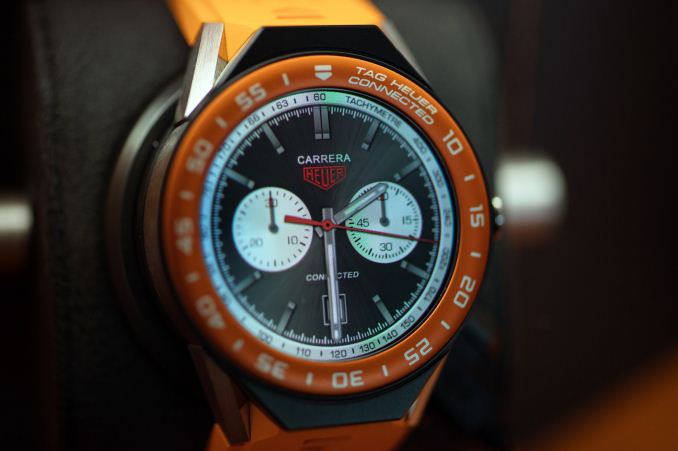
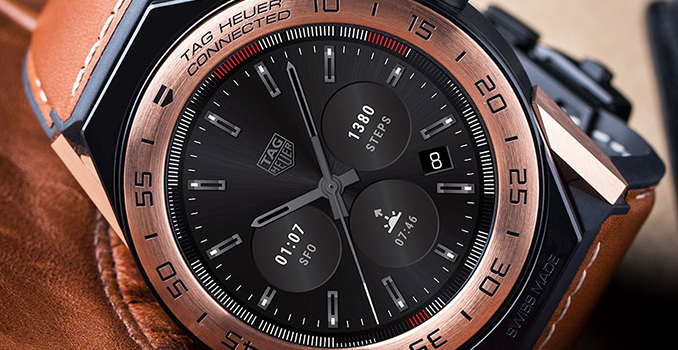
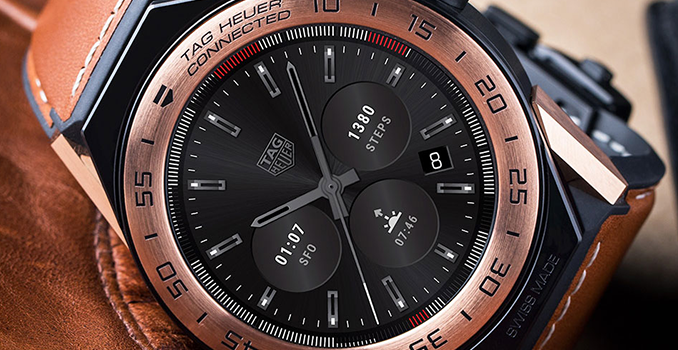
Tag Heuer will offer different configurations of the Connected Modular 45: 11 standard versions available in retail and additional configurations upon request. Each timepiece consists of three key elements which users can mix and match: the watch module, the lugs, and the strap. All watch modules are made of grade 5 titanium 5 with a sand-blasted satin finish (of a chosen color), but users can choose bezels of different colors made of ceramic, gold, aluminum, titanium, and even covered with diamonds. The lugs can match the bezels and thus can be made of aluminum, titanium, ceramic and so on. Finally, the manufacturer will offer a variety of straps featuring different colors (black, brown, red, green, etc.) made of calfskin, rubber, ceramic or titanium.
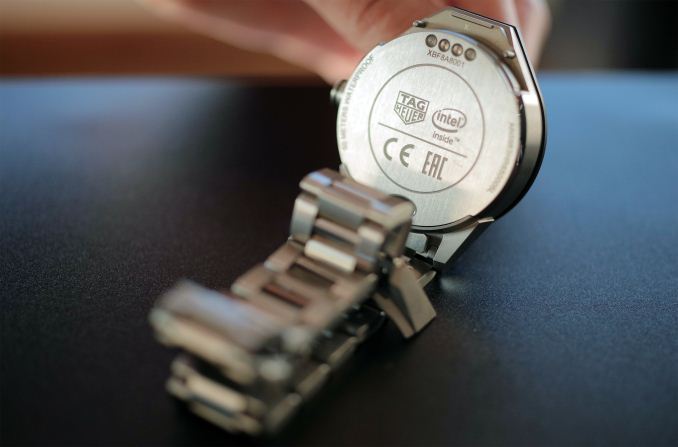
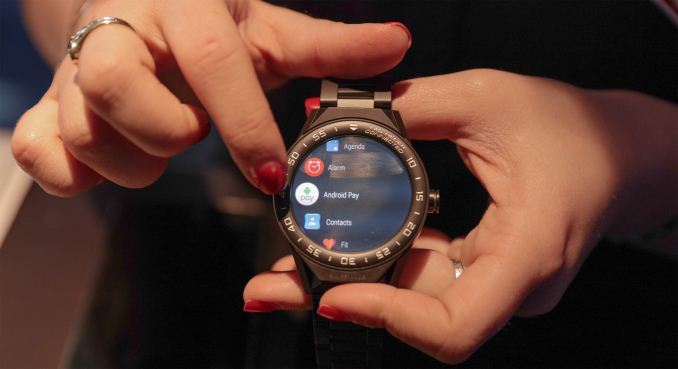
The central piece of the Connected Modular 45 is, of course, the watch module. The latter is based on the Intel Atom Z3400-series SoC (Merrifield, two Silvermont cores, 1 MB cache) equipped with 512 MB of LPDDR3 memory (down from 1 GB in the previous-gen model) and 4 GB of NAND flash memory. The device comes with a wireless module featuring Wi-Fi 802.11b/g/n, Bluetooth 4.1, GPS and NFC as well as a host of sensors, including an accelerometer, a gyroscope, a tilt detection sensor and an ambient light sensor. In addition, the module has a water-resistant microphone and a vibration/haptics engine, but no speaker. The most notable upgrade of the new Tag Heuer smartwatch is the new 1.39” AMOLED display, with a 400×400 resolution and 287 PPI, which is higher than many competing wearable devices. The display is covered with a 2.5-mm sapphire glass, just like many Swiss-made watches. As for the battery, the manufacturer states that it has a capacity of 410 mAh and claims it can last for up to 25 hours.
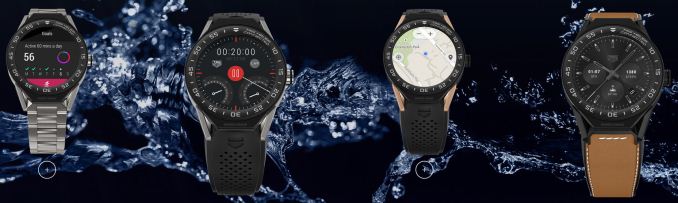
Tag Heuer Connected Modular 45
Processor Intel Atom Z3400-series
2×Silvermont
PowerVR G6400 GPU
RAM 512 MB LPDDR3
Storage 4GB eMMC NAND flash
Display 1.39″ AMOLED
400×400 resolution
287 PPI pixel density
2-point touch
Display Protection 2.5-mm Sapphire Glass
Wireless Bluetooth 4.1
Wi-Fi
NFC
GPS
Sensors accelerometer
gyroscope
tilt detection sensor
ambient light sensor
Battery 410 mAh
Battery life: 25 hours
Charging Magnetic charging cable
Water Resistance 50 meters/50 atmosphere
Color Black, titanium, aluminum, gold, diamond, etc.
Strap Rubber, leather, ceramic, titanium
Dimensions Diameter: ≦ 45 mm
Height: 13.75 mm
Inputs One button, touchscreen
Operating System Google Android Wear 2.0 with phone application by Tag Heuer
Compatibility Google Android 4.3+
Apple iOS 9+
Price Starts at €1600/$1650

All the Connected Modular 45 watch modules are 50 meters water resistant, just like mechanical watches by Tag Heuer. Now, speaking of mechanics, when someone buys the Connected Modular 45, they can easily switch the smartwatch module with a mechanical watch module that Tag Heuer offers: a moderately-priced Swiss mechanical movement module with 3 hands (calibre 5) or an expensive COSC-certified chronograph Tourbillon Heuer 02-T. Both are also water resistant.
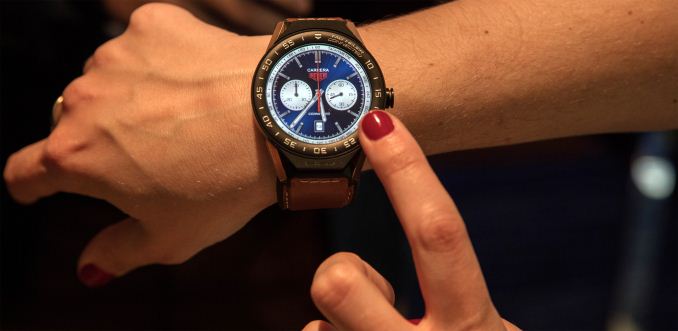
One of the things that Tag Heuer has learnt since the launch of the original Connected smartwatch is that there is a market for premium smartwatches. As a result, the Connected Modular 45 will be available at different price points depending on their external finish. The starting price of the smartwatch is $1650/€1600/£1400, but when fully beefed up with diamonds, their price increases to around $7000. Additionally, Tag Heuer offers the so-called Deluxe Box Set that includes one Connected Modular 45 (in grade 5 titanium, with titanium lugs and brown natural leather strap) and one chronograph Heuer-02T tourbillon mechanical module for a total price of €16,650/$17,000 (ex. tax). Both electronics and mechanical modules come with a two-year warranty.
Sources: Tag Heuer, Google, Intel.

Related Reading:
Tag Heuer Connected Modular 45: Atom Z3400, Android Wear 2.0, Starts at $1650

Tag Heuer Connected Modular 45: Atom Z3400, Android Wear 2.0, Starts at $1650

Tag Heuer last week announced its new generation smartwatch, co-developed with Google and Intel. The new Connected Modular 45 timepiece uses an Intel SoC, runs Google’s Android Wear 2.0, and is listed with ‘expanded functionality’. Tag Heuer will also offer a variety of customization options for the new smartwatch and aim to address different market segments with the new product. Furthermore, the watchmaker says that the Connected Modular 45 design could easily fit a mechanical module and be converted into a regular timepiece.

Tag Heuer, Google and Intel formally introduced their first-gen connected smartwatch in late-2015. The wristwatch was the first device of the kind for Tag Heuer and for Intel, and so it was largely a test vehicle for both of them. As it turned out, the Tag Heuer Connected was considered a success by its developers and with the second generation they decided to install a more capable computing platform, a better display and introduce customizable design options. The use of Google Android Wear 2.0 should expand the overall functionality of the new smartwatch, in order to offer more features.

Tag Heuer will offer different configurations of the Connected Modular 45: 11 standard versions available in retail and additional configurations upon request. Each timepiece consists of three key elements which users can mix and match: the watch module, the lugs, and the strap. All watch modules are made of grade 5 titanium 5 with a sand-blasted satin finish (of a chosen color), but users can choose bezels of different colors made of ceramic, gold, aluminum, titanium, and even covered with diamonds. The lugs can match the bezels and thus can be made of aluminum, titanium, ceramic and so on. Finally, the manufacturer will offer a variety of straps featuring different colors (black, brown, red, green, etc.) made of calfskin, rubber, ceramic or titanium.

The central piece of the Connected Modular 45 is, of course, the watch module. The latter is based on the Intel Atom Z3400-series SoC (Merrifield, two Silvermont cores, 1 MB cache) equipped with 512 MB of LPDDR3 memory (down from 1 GB in the previous-gen model) and 4 GB of NAND flash memory. The device comes with a wireless module featuring Wi-Fi 802.11b/g/n, Bluetooth 4.1, GPS and NFC as well as a host of sensors, including an accelerometer, a gyroscope, a tilt detection sensor and an ambient light sensor. In addition, the module has a water-resistant microphone and a vibration/haptics engine, but no speaker. The most notable upgrade of the new Tag Heuer smartwatch is the new 1.39” AMOLED display, with a 400×400 resolution and 287 PPI, which is higher than many competing wearable devices. The display is covered with a 2.5-mm sapphire glass, just like many Swiss-made watches. As for the battery, the manufacturer states that it has a capacity of 410 mAh and claims it can last for up to 25 hours.

Tag Heuer Connected Modular 45
Processor Intel Atom Z3400-series
2×Silvermont
PowerVR G6400 GPU
RAM 512 MB LPDDR3
Storage 4GB eMMC NAND flash
Display 1.39″ AMOLED
400×400 resolution
287 PPI pixel density
2-point touch
Display Protection 2.5-mm Sapphire Glass
Wireless Bluetooth 4.1
Wi-Fi
NFC
GPS
Sensors accelerometer
gyroscope
tilt detection sensor
ambient light sensor
Battery 410 mAh
Battery life: 25 hours
Charging Magnetic charging cable
Water Resistance 50 meters/50 atmosphere
Color Black, titanium, aluminum, gold, diamond, etc.
Strap Rubber, leather, ceramic, titanium
Dimensions Diameter: ≦ 45 mm
Height: 13.75 mm
Inputs One button, touchscreen
Operating System Google Android Wear 2.0 with phone application by Tag Heuer
Compatibility Google Android 4.3+
Apple iOS 9+
Price Starts at €1600/$1650

All the Connected Modular 45 watch modules are 50 meters water resistant, just like mechanical watches by Tag Heuer. Now, speaking of mechanics, when someone buys the Connected Modular 45, they can easily switch the smartwatch module with a mechanical watch module that Tag Heuer offers: a moderately-priced Swiss mechanical movement module with 3 hands (calibre 5) or an expensive COSC-certified chronograph Tourbillon Heuer 02-T. Both are also water resistant.

One of the things that Tag Heuer has learnt since the launch of the original Connected smartwatch is that there is a market for premium smartwatches. As a result, the Connected Modular 45 will be available at different price points depending on their external finish. The starting price of the smartwatch is $1650/€1600/£1400, but when fully beefed up with diamonds, their price increases to around $7000. Additionally, Tag Heuer offers the so-called Deluxe Box Set that includes one Connected Modular 45 (in grade 5 titanium, with titanium lugs and brown natural leather strap) and one chronograph Heuer-02T tourbillon mechanical module for a total price of €16,650/$17,000 (ex. tax). Both electronics and mechanical modules come with a two-year warranty.

Sources: Tag Heuer, Google, Intel.

Related Reading:
Tag Heuer Connected Modular 45: Atom Z3400, Android Wear 2.0, Starts at $1650

Tag Heuer Connected Modular 45: Atom Z3400, Android Wear 2.0, Starts at $1650

Tag Heuer last week announced its new generation smartwatch, co-developed with Google and Intel. The new Connected Modular 45 timepiece uses an Intel SoC, runs Google’s Android Wear 2.0, and is listed with ‘expanded functionality’. Tag Heuer will also offer a variety of customization options for the new smartwatch and aim to address different market segments with the new product. Furthermore, the watchmaker says that the Connected Modular 45 design could easily fit a mechanical module and be converted into a regular timepiece.

Tag Heuer, Google and Intel formally introduced their first-gen connected smartwatch in late-2015. The wristwatch was the first device of the kind for Tag Heuer and for Intel, and so it was largely a test vehicle for both of them. As it turned out, the Tag Heuer Connected was considered a success by its developers and with the second generation they decided to install a more capable computing platform, a better display and introduce customizable design options. The use of Google Android Wear 2.0 should expand the overall functionality of the new smartwatch, in order to offer more features.

Tag Heuer will offer different configurations of the Connected Modular 45: 11 standard versions available in retail and additional configurations upon request. Each timepiece consists of three key elements which users can mix and match: the watch module, the lugs, and the strap. All watch modules are made of grade 5 titanium 5 with a sand-blasted satin finish (of a chosen color), but users can choose bezels of different colors made of ceramic, gold, aluminum, titanium, and even covered with diamonds. The lugs can match the bezels and thus can be made of aluminum, titanium, ceramic and so on. Finally, the manufacturer will offer a variety of straps featuring different colors (black, brown, red, green, etc.) made of calfskin, rubber, ceramic or titanium.

The central piece of the Connected Modular 45 is, of course, the watch module. The latter is based on the Intel Atom Z3400-series SoC (Merrifield, two Silvermont cores, 1 MB cache) equipped with 512 MB of LPDDR3 memory (down from 1 GB in the previous-gen model) and 4 GB of NAND flash memory. The device comes with a wireless module featuring Wi-Fi 802.11b/g/n, Bluetooth 4.1, GPS and NFC as well as a host of sensors, including an accelerometer, a gyroscope, a tilt detection sensor and an ambient light sensor. In addition, the module has a water-resistant microphone and a vibration/haptics engine, but no speaker. The most notable upgrade of the new Tag Heuer smartwatch is the new 1.39” AMOLED display, with a 400×400 resolution and 287 PPI, which is higher than many competing wearable devices. The display is covered with a 2.5-mm sapphire glass, just like many Swiss-made watches. As for the battery, the manufacturer states that it has a capacity of 410 mAh and claims it can last for up to 25 hours.

Tag Heuer Connected Modular 45
Processor Intel Atom Z3400-series
2×Silvermont
PowerVR G6400 GPU
RAM 512 MB LPDDR3
Storage 4GB eMMC NAND flash
Display 1.39″ AMOLED
400×400 resolution
287 PPI pixel density
2-point touch
Display Protection 2.5-mm Sapphire Glass
Wireless Bluetooth 4.1
Wi-Fi
NFC
GPS
Sensors accelerometer
gyroscope
tilt detection sensor
ambient light sensor
Battery 410 mAh
Battery life: 25 hours
Charging Magnetic charging cable
Water Resistance 50 meters/50 atmosphere
Color Black, titanium, aluminum, gold, diamond, etc.
Strap Rubber, leather, ceramic, titanium
Dimensions Diameter: ≦ 45 mm
Height: 13.75 mm
Inputs One button, touchscreen
Operating System Google Android Wear 2.0 with phone application by Tag Heuer
Compatibility Google Android 4.3+
Apple iOS 9+
Price Starts at €1600/$1650

All the Connected Modular 45 watch modules are 50 meters water resistant, just like mechanical watches by Tag Heuer. Now, speaking of mechanics, when someone buys the Connected Modular 45, they can easily switch the smartwatch module with a mechanical watch module that Tag Heuer offers: a moderately-priced Swiss mechanical movement module with 3 hands (calibre 5) or an expensive COSC-certified chronograph Tourbillon Heuer 02-T. Both are also water resistant.

One of the things that Tag Heuer has learnt since the launch of the original Connected smartwatch is that there is a market for premium smartwatches. As a result, the Connected Modular 45 will be available at different price points depending on their external finish. The starting price of the smartwatch is $1650/€1600/£1400, but when fully beefed up with diamonds, their price increases to around $7000. Additionally, Tag Heuer offers the so-called Deluxe Box Set that includes one Connected Modular 45 (in grade 5 titanium, with titanium lugs and brown natural leather strap) and one chronograph Heuer-02T tourbillon mechanical module for a total price of €16,650/$17,000 (ex. tax). Both electronics and mechanical modules come with a two-year warranty.

Sources: Tag Heuer, Google, Intel.

Related Reading:
Samsung Shows Off A Z-SSD: With New Z-NAND

Samsung Shows Off A Z-SSD: With New Z-NAND

As the sort of person that can get addicted to deep technology discussions about the latest thing, without due care and attention I could easily fall into the pit of storage related technologies. From the storage bits through to software defined cache hierarchy, there is so much to learn and to talk about. Over the last two years, unless you were living under a rock, it would have been hard to miss the level of attention that Intel’s 3D XPoint technology (a co-venture with Micron) has been getting. Billed as a significant disruption to the storage market, and claiming an intersection between DRAM and SSDs as a form of non-volatile storage, many column inches have been devoted to the potential uses of 3D XPoint. Despite all this talk, and promises that Intel’s Super 7 partners are well under way with qualifying the hardware in their datacenters, we are yet to actually see it come to market – or even be actively demonstrated in any sizeable volume at a trade show. We’re expecting more information this year, but while everyone is waiting, Samsung has snuck up behind everyone with their new Z-SSD product line.

The Z-SSD line was announced back at Flash Memory Summit, although details were scant. This was a PCIe NVMe storage technology using Samsung’s new ‘Z-NAND’, which was aimed at the intersection between DRAM and SSDs (sounds like 3D XPoint?). Z-NAND is ultimately still baked in as NAND, although designed differently to provide better NAND characteristics. We still don’t know the exact way this happens – some analysts have pointed to this being 3D NAND/V-NAND running in SLC mode, given some of the performance metrics, but this is still unknown.

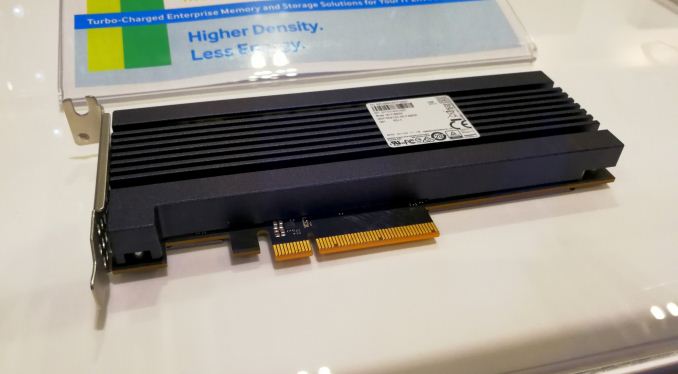
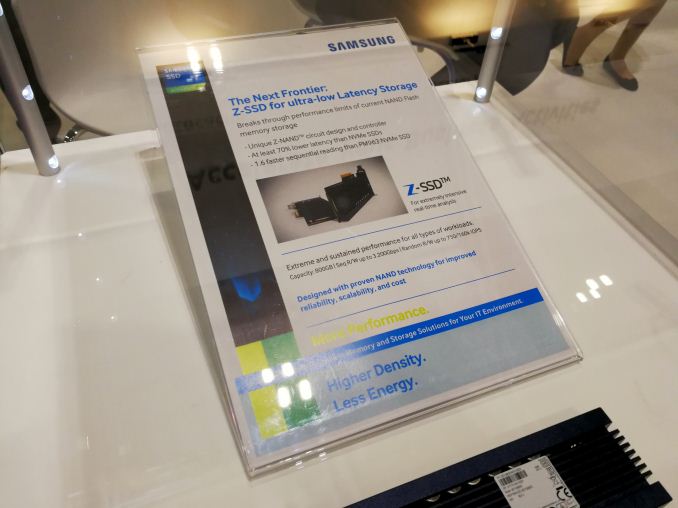
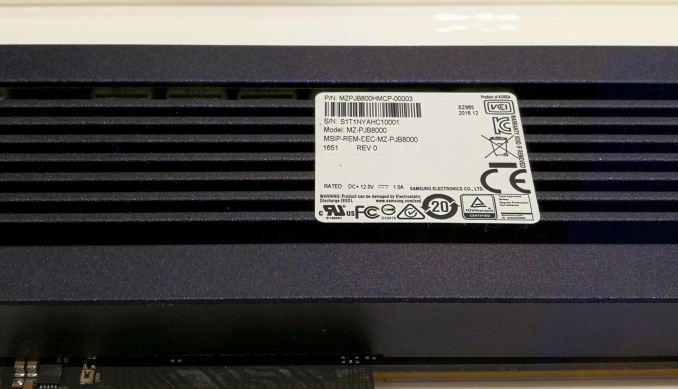
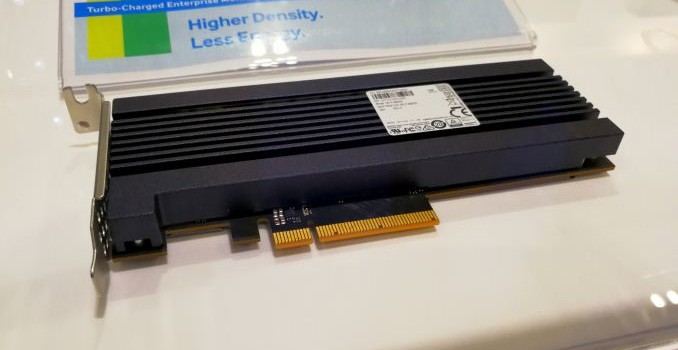
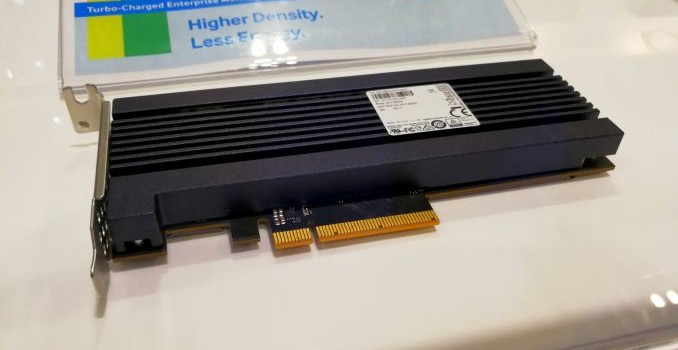
At Cloud Expo Europe, Samsung had a Z-SSD on display and started talking numbers, if not the technology itself. The first drive for select customers to qualify will be 800GB in a half-height PCIe 3.0 x4 card. Sequential R/W will be up to 3.2 GBps, with Random R/W up to 750K/160K IOPS. Latency (presumably read latency) will be 70% lower than current NVMe drives, partially due to the new NAND but also a new controller, which we might hear about during Samsung’s next tech day later this year. We are under the impression that the Z-NAND will also have high endurance, especially if it comes down to fewer bits per cell than current NAND offerings, but at this point it is hard to tell.

Initial reports indicated that Samsung was preparing 1TB, 2TB and 4TB drives under the Z-SSD banner. At present only the 800GB is on the table, which if we take into account overprovisioning might just be the 1TB drive anyway. Nothing was said about other capacities or features, except that the customers Samsung is currently dealing with are very interested in getting their hands on the first drives.

Samsung Shows Off A Z-SSD: With New Z-NAND

Samsung Shows Off A Z-SSD: With New Z-NAND

As the sort of person that can get addicted to deep technology discussions about the latest thing, without due care and attention I could easily fall into the pit of storage related technologies. From the storage bits through to software defined cache hierarchy, there is so much to learn and to talk about. Over the last two years, unless you were living under a rock, it would have been hard to miss the level of attention that Intel’s 3D XPoint technology (a co-venture with Micron) has been getting. Billed as a significant disruption to the storage market, and claiming an intersection between DRAM and SSDs as a form of non-volatile storage, many column inches have been devoted to the potential uses of 3D XPoint. Despite all this talk, and promises that Intel’s Super 7 partners are well under way with qualifying the hardware in their datacenters, we are yet to actually see it come to market – or even be actively demonstrated in any sizeable volume at a trade show. We’re expecting more information this year, but while everyone is waiting, Samsung has snuck up behind everyone with their new Z-SSD product line.

The Z-SSD line was announced back at Flash Memory Summit, although details were scant. This was a PCIe NVMe storage technology using Samsung’s new ‘Z-NAND’, which was aimed at the intersection between DRAM and SSDs (sounds like 3D XPoint?). Z-NAND is ultimately still baked in as NAND, although designed differently to provide better NAND characteristics. We still don’t know the exact way this happens – some analysts have pointed to this being 3D NAND/V-NAND running in SLC mode, given some of the performance metrics, but this is still unknown.

At Cloud Expo Europe, Samsung had a Z-SSD on display and started talking numbers, if not the technology itself. The first drive for select customers to qualify will be 800GB in a half-height PCIe 3.0 x4 card. Sequential R/W will be up to 3.2 GBps, with Random R/W up to 750K/160K IOPS. Latency (presumably read latency) will be 70% lower than current NVMe drives, partially due to the new NAND but also a new controller, which we might hear about during Samsung’s next tech day later this year. We are under the impression that the Z-NAND will also have high endurance, especially if it comes down to fewer bits per cell than current NAND offerings, but at this point it is hard to tell.

Initial reports indicated that Samsung was preparing 1TB, 2TB and 4TB drives under the Z-SSD banner. At present only the 800GB is on the table, which if we take into account overprovisioning might just be the 1TB drive anyway. Nothing was said about other capacities or features, except that the customers Samsung is currently dealing with are very interested in getting their hands on the first drives.