Vik


ZTE's CSX "Hawkeye" Concept Phone Detailed, Kickstarter Launched

ZTE’s CSX “Hawkeye” Concept Phone Detailed, Kickstarter Launched
For some time now ZTE has been running a program to crowdsource the ideas for smartphones. The basis for this is to collect the ideas of consumers in order to best build the kind of device that consumers want. Some may actually disagree with this philosophy, but it’s one that ZTE has taken to its extreme with their crowd sourced X (CSX) program, where X stands for any physically possible mobile device that consumers can dream up.

ZTE’s CSX program is now beginning to show results with the announcement of ZTE’s first crowdsourced smartphone, the Hawkeye. Given that this is a very experimental way of developing a smartphone, ZTE is departing from their standard methods for development and distribution. They’ve set up a Kickstarter campaign, which for the time being will also serve as the storefront for buyers to purchase the phone. Right now the goal is set at $500,000 USD, and with each phone priced at $200 it appears that ZTE hopes to sell at least 2500 units, which seems feasible even for a very niche device.

The two primary features of the Hawkeye phone that came from consumer input are the ability to navigate the interface using eye movement, and the inclusion of an adhesive case that allows the phone to be attached to surfaces. It’s worth noting that Samsung has implemented eye-tracking to control the UI in the past, and it hasn’t worked out well due to problems with tracking, eye strain, and the general lack of sense in moving a smartphone UI around with ones eyes. The adhesive case is being billed as a convenient feature, and while I don’t really see the use of it, it’s obviously something that was proposed to ZTE and supported by enough users that it was chosen to be put into production. Until now there hasn’t been much detail about the Hawkeye stacks up internally, but we now have an idea of what the specs look like, and I’ve included those below.

  ZTE Hawkeye
SoC Qualcomm Snapdragon 625
8 x 2.0GHz Cortex A53
RAM 3GB
Display 5.5″ 1920 x 1080
Size / Mass 156.4 x 75.8 x 7.9mm
Battery 3000 mAh
Rear Camera 12MP + 13MP
“Optical Zoom”
PDAF
Front Camera 8MP
Storage 32GB
I/O USB Type-C connector, 3.5mm audio, dual SIM, NFC
Fingerprint Scanner Yes
Software Android 7.0 Nougat
Price $199 USD

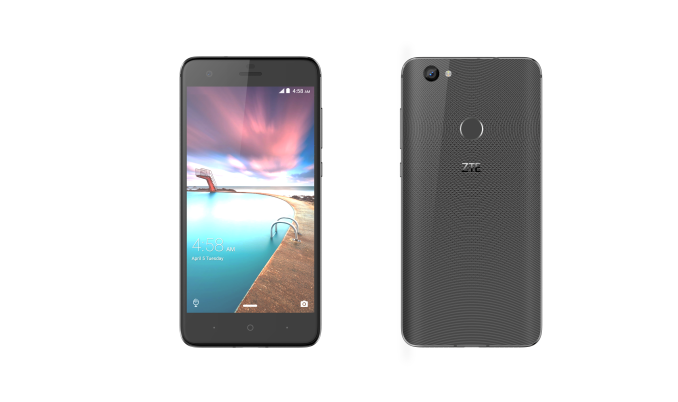
As you can see, there are still some details missing, but the available specs give a good idea as to where the ZTE Hawkeye sits in the market. As of right now there are no true photos of the Hawkeye, partially due to the fact that ZTE is still crowdsourcing ideas regarding the design, including the color choices and the materials to be used, although that latter part will obviously be limited to a degree by the cost of the phone. The cover image for this article is a concept render, and you may have already noted oddities like the fact that it only has a single rear camera when the Hawkeye is supposed to have two.

Anyone interested in buying the ZTE Hawkeye can check out ZTE’s Kickstarter campaign. It’s priced at $199 USD, and ZTE states that they plan to have it available in September of this year, but that date is subject to change. They also caution that they may not be able to deliver the eye-tracking and adhesion features in a satisfactory manner, which could lead to the device being cancelled. In the event of the phone’s cancellation, buyers will be entitled to a ZTE phone of equivalent price, with there seemingly being no option to have the contribution refunded instead.
The AnandTech Podcast, Episode 40: CES 2017

The AnandTech Podcast, Episode 40: CES 2017

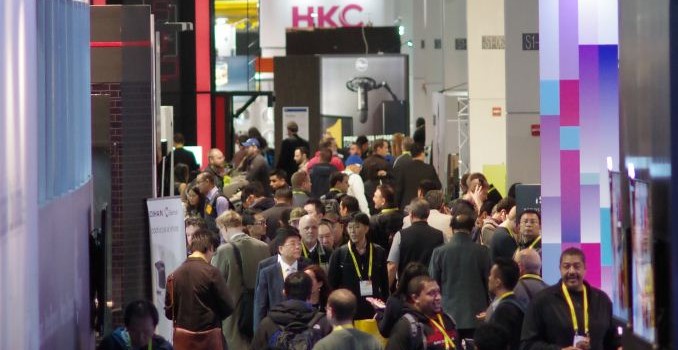
The annual CES show is always a mélange of announcements and sneak peeks for what is to come through the year. At the show we had most of our regular editors on foot, meeting with manufacturers to find out what exactly is going on under the hood. Despite some technical hiccups trying to record the podcast on site, I was able to track down some of our editors for a short burst into their main highlights from CES and thoughts on the year ahead.


The AnandTech Podcast #40: CES 2017

Featuring

iTunes
RSS – mp3m4a
Direct Links – mp3m4a

Total Time:  1 hour, 48 minutes 26 seconds

Outline hh:mm:ss

00:00:00 Start
00:00:48 Intel Kaby Lake
00:05:53 200-Series Motherboards and Onboard Controllers
00:14:52 Mentioning the Core i3-7350K
00:17:22 ASUS Pro B9440
00:19:56 Enter Ryan Smith, Editor-in-Chief
00:20:03 NVIDIA’s Self-Driving Demo
00:30:03 ASUS PG27UQ
00:38:30 Razer’s Project Valerie
00:49:16 Discussing the value of a tech showcase
00:53:36 Enter Anton Shilov, AnandTech News Editor
00:54:27 Dell goes 8K with the UP3218K
01:01:15 ASUS ProArt PA32U
01:05:14 ASUS Mini-PC
01:10:22 GIGABYTE Gaming GT PC
01:14:04 Corsair Bulldog 2.0
01:17:06 Enter Matt Humrick, Senior Smartphone Editor
01:17:28 Qualcomm Snapdragon 835
01:23:47 Windows coming to Snapdragon 835
01:25:05 Back to S835
01:30:33 Huawei Mate 9 Coming to the US
01:31:36 Honor 6X Launched
01:38:38 ASUS Zenfone 3 Zoom and Zenfone AR
01:48:26 FIN

Related Reading

Intel Launches 7th Generation Kaby Lake
The Intel Core i7-7700K (91W) Review
The Intel Core i5-7600K (91W) Review
Aquantia Multi-Gigabit AQC107 / AQC108 Ethernet NICs
Rivet Network’s Killer E2500 NIC
ASUS PRO B9440: Ultra-Thin Laptop with 10hr Battery for $999

ASUS Demonstrates ROG Swift PG27UQ: 4K, 144 Hz, HDR, DCI-P3 and G-Sync
Razer Reveals Their Triple Monitor Gaming Laptop Concept: Project Valerie

Dell Announces UP3218K: Its First 8K Display, Due in March
ASUS ProArt PA32U Display
ASUS VivoPC X: Core i5, GeForce GTX 1060, 512 GB SSD, 5-Liter Chassis, $799
GIGABYTE’s New Console: The ‘Gaming GT’ PC Launched with Core i7-K, GTX1080, TB3
Corsair’s Bulldog 2.0 Gets Kaby Lake

Qualcomm Details Snapdragon 835: Kryo 280 CPU, Adreno 540 GPU, X16 LTE
Microsoft and Qualcomm Collaborate to Bring Windows 10 & x86 Emulation to Snapdragon Processors
Hands On With the Huawei Honor 6X
ASUS Announces ZenFone AR and ZenFone 3 Zoom

Synaptics at CES 2017: Advanced Touch and DDIC

Synaptics at CES 2017: Advanced Touch and DDIC

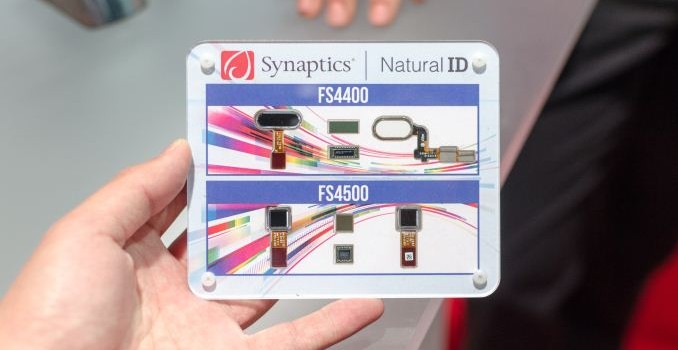
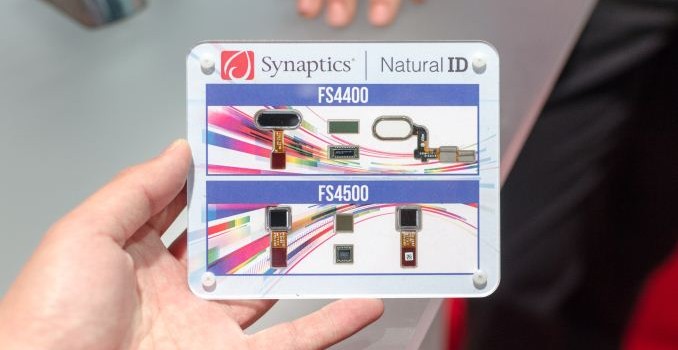
To some extent, Synaptics is not nearly as visible to consumers as a company like Intel or Qualcomm, but their role in touch interfaces and display driver ICs is a critical part of the user experience. A touchscreen with low processing latency, truly …

The AnandTech Podcast, Episode 40: CES 2017

The AnandTech Podcast, Episode 40: CES 2017

The annual CES show is always a mélange of announcements and sneak peeks for what is to come through the year. At the show we had most of our regular editors on foot, meeting with manufacturers to find out what exactly is going on under the hood. Despite some technical hiccups trying to record the podcast on site, I was able to track down some of our editors for a short burst into their main highlights from CES and thoughts on the year ahead.


The AnandTech Podcast #40: CES 2017

Featuring

iTunes
RSS – mp3m4a
Direct Links – mp3m4a

Total Time:  1 hour, 48 minutes 26 seconds

Outline hh:mm:ss

00:00:00 Start
00:00:48 Intel Kaby Lake
00:05:53 200-Series Motherboards and Onboard Controllers
00:14:52 Mentioning the Core i3-7350K
00:17:22 ASUS Pro B9440
00:19:56 Enter Ryan Smith, Editor-in-Chief
00:20:03 NVIDIA’s Self-Driving Demo
00:30:03 ASUS PG27UQ
00:38:30 Razer’s Project Valerie
00:49:16 Discussing the value of a tech showcase
00:53:36 Enter Anton Shilov, AnandTech News Editor
00:54:27 Dell goes 8K with the UP3218K
01:01:15 ASUS ProArt PA32U
01:05:14 ASUS Mini-PC
01:10:22 GIGABYTE Gaming GT PC
01:14:04 Corsair Bulldog 2.0
01:17:06 Enter Matt Humrick, Senior Smartphone Editor
01:17:28 Qualcomm Snapdragon 835
01:23:47 Windows coming to Snapdragon 835
01:25:05 Back to S835
01:30:33 Huawei Mate 9 Coming to the US
01:31:36 Honor 6X Launched
01:38:38 ASUS Zenfone 3 Zoom and Zenfone AR
01:48:26 FIN

Related Reading

Intel Launches 7th Generation Kaby Lake
The Intel Core i7-7700K (91W) Review
The Intel Core i5-7600K (91W) Review
Aquantia Multi-Gigabit AQC107 / AQC108 Ethernet NICs
Rivet Network’s Killer E2500 NIC
ASUS PRO B9440: Ultra-Thin Laptop with 10hr Battery for $999

ASUS Demonstrates ROG Swift PG27UQ: 4K, 144 Hz, HDR, DCI-P3 and G-Sync
Razer Reveals Their Triple Monitor Gaming Laptop Concept: Project Valerie

Dell Announces UP3218K: Its First 8K Display, Due in March
ASUS ProArt PA32U Display
ASUS VivoPC X: Core i5, GeForce GTX 1060, 512 GB SSD, 5-Liter Chassis, $799
GIGABYTE’s New Console: The ‘Gaming GT’ PC Launched with Core i7-K, GTX1080, TB3
Corsair’s Bulldog 2.0 Gets Kaby Lake

Qualcomm Details Snapdragon 835: Kryo 280 CPU, Adreno 540 GPU, X16 LTE
Microsoft and Qualcomm Collaborate to Bring Windows 10 & x86 Emulation to Snapdragon Processors
Hands On With the Huawei Honor 6X
ASUS Announces ZenFone AR and ZenFone 3 Zoom

Synaptics at CES 2017: Advanced Touch and DDIC

Synaptics at CES 2017: Advanced Touch and DDIC

To some extent, Synaptics is not nearly as visible to consumers as a company like Intel or Qualcomm, but their role in touch interfaces and display driver ICs is a critical part of the user experience. A touchscreen with low processing latency, truly …