Vik


SK Hynix Announces 8 GB LPDDR4X-4266 DRAM Packages
SK Hynix Announces 8 GB LPDDR4X-4266 DRAM Packages

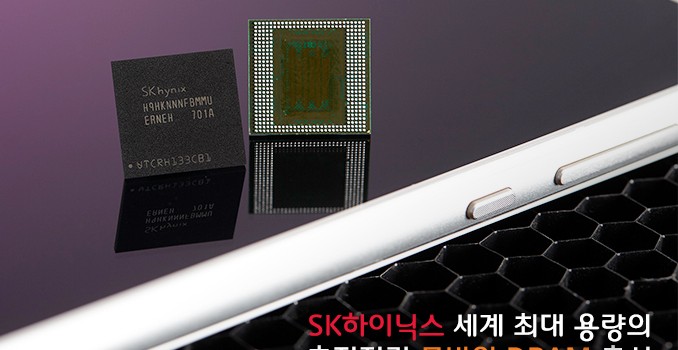
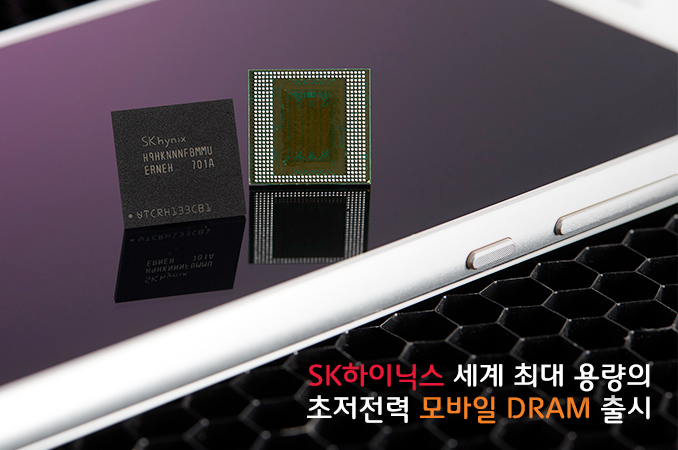
SK Hynix on Monday officially announced the industry’s first 8 GB LPDDR4X (LP4X) packages for next-generation mobile devices. The new memory chips not only increase DRAM performance but also reduce its power consumption due to lower I/O voltages (and come in a smaller form-factor). Interested parties have already obtained samples of SK Hynix’s LPDDR4X ICs and the first devices featuring the new type of memory are expected to hit the market in the coming months.

The LPDDR4X is a new mobile DRAM standard that is an extension of the original LPDDR4, and is expected to reduce power consumption of the DRAM sub-system by 18~20% according to developers (everything else remains the same: a 200~266 MHz internal memory array frequency, 16n prefetch, etc.). To do that, LPDDR4X cuts output driver power (I/O VDDQ voltage) by 45%, from 1.1 V to 0.6 V. LPDDR4X is supported by a number of mobile SoC developers. The first application processor to support the new type of memory is MediaTek’s Helio P20 that was announced nearly a year ago and the initial devices powered by the chip are likely to hit the market in 1H 2017. Another notable SoC to support LPDDR4X is Qualcomm’s new flagship Snapdragon 835, which was announced in November and detailed earlier this month. Smartphones featuring this chip will not show up for a while, but MWC just around the corner which lends nicely to various handset announcements.

The 8 GB (64 Gb) LPDDR4X package stacks four 16 Gb DRAM parts that feature a 4266 MT/s data transfer rate and provide up to 34.1 GB/s of bandwidth when connected to an application processor using a 64-bit memory bus. For its 8 GB LPDDR4X solution SK Hynix uses a new 12 mm × 12.7 mm BGA package, which is 30% smaller compared to standard LPDDR4 stacks that come in 15 mm × 15 mm form-factor. SK Hynix’s 8 GB LPDDR4X solution has a thickness of less than 1 mm to enable PoP stacking with a mobile application processor or a UFS NAND storage device.

SK Hynix 8 GB LPDDR4X DRAM Packages
  H9HKNNNFBUMU
ERNEH
H9HKNNNFBMMUDR H9HKNNNEBMMUER H9HKNNNEBMAUDR
DRAM IC Capacity 16 Gb 12 Gb
Number of DRAM ICs 4
Package Capacity 64 Gb (8 GB) 48 Gb (6 GB)
Data Rate 4266 MT/s 3733 MT/s
Bus Width x64
Bandwidth 34.1 GB/s 29.8 GB/s 29.8 GB/s
Package FBGA FBGA-376 FBGA-366 FBGA-376
Dimensions 12 mm × 12.7 mm
Voltages 1.8V / 1.1V / 0.6V
Process Technology 21 nm
Availability 2017

SK Hynix did not announce exact power consumption figures for its LP4X parts, but confirmed that the reduction of I/O voltage by 45% reduces power consumption of the whole memory sub-system by around 20% versus a hypothetical LPDDR4 memory sub-system running at the frequency in the same conditions. This is not exactly a good description because SK Hynix’s LPDDR4 offerings top at 3733 MT/s. Assuming that the manufacturer did not optimize the design of its LPDDR4X DRAM arrays to reduce power consumption, but only reduced VDDQ to 0.6 V, a memory sub-system based on the new 8 GB LP4X-4266 part should consume less than a similar sub-system running the company’s 8 GB LP4-3733 stack, but the exact figure is unknown.

To make its 16 Gb LPDDR4X memory ICs, SK Hynix uses its 21 nm fabrication process, which is also used to manufacture 16 Gb LPDDR4 ICs. So, from manufacturing technology standpoint, SK Hynix’s LP4X chips are similar to its LP4 chips.

Initially, SK Hynix will offer only 8 GB LPDDR4X packages with 4266 MT/s data transfer rate based on its 16 Gb DRAM ICs. Eventually, the company intends to expand the lineup with 6 GB/8 GB LPDDR4X-3733 (these are already listed in the company’s Q1 databook) and LPDDR4X-3200 solutions as well as parts based on 8 Gb LPDDR4X ICs (these are not listed in the official documents, but are mentioned in the company’s official blog post). The latter make a lot of sense as far not all mobile are going to use 8 GB of DRAM this year. SK Hynix quotes researchers from IHS Markit, who believe that an average high-end smartphone this year is going to integrate 3.5 GB of memory on average (a mix of 3GB, 4GB, 6GB and 8GB solutions on Android). Meanwhile, keep in mind that DRAM requirements for Apple’s iOS and Google’s Android are different, which is why smartphones running the latter need more memory and handsets featuring 4 GB of Mobile DRAM are going to become mainstream in 2017. By contrast, Apple’s iPhone 7 and iPhone 7 Plus have 2 GB and 3 GB of DRAM, respectively.

SK Hynix said that its 8 GB LPDDR4X-4266 packages are already in mass production. Mobile devices based on the new memory are expected to arrive in the coming months and it is highly likely that select manufacturers may demonstrate their MediaTek Helio P20- and LPDDR4X-based products at MWC next month.

Related Reading:
SK Hynix Announces 8 GB LPDDR4X-4266 DRAM Packages

SK Hynix Announces 8 GB LPDDR4X-4266 DRAM Packages

SK Hynix on Monday officially announced the industry’s first 8 GB LPDDR4X (LP4X) packages for next-generation mobile devices. The new memory chips not only increase DRAM performance but also reduce its power consumption due to lower I/O voltages (and come in a smaller form-factor). Interested parties have already obtained samples of SK Hynix’s LPDDR4X ICs and the first devices featuring the new type of memory are expected to hit the market in the coming months.

The LPDDR4X is a new mobile DRAM standard that is an extension of the original LPDDR4, and is expected to reduce power consumption of the DRAM sub-system by 18~20% according to developers (everything else remains the same: a 200~266 MHz internal memory array frequency, 16n prefetch, etc.). To do that, LPDDR4X cuts output driver power (I/O VDDQ voltage) by 45%, from 1.1 V to 0.6 V. LPDDR4X is supported by a number of mobile SoC developers. The first application processor to support the new type of memory is MediaTek’s Helio P20 that was announced nearly a year ago and the initial devices powered by the chip are likely to hit the market in 1H 2017. Another notable SoC to support LPDDR4X is Qualcomm’s new flagship Snapdragon 835, which was announced in November and detailed earlier this month. Smartphones featuring this chip will not show up for a while, but MWC just around the corner which lends nicely to various handset announcements.

The 8 GB (64 Gb) LPDDR4X package stacks four 16 Gb DRAM parts that feature a 4266 MT/s data transfer rate and provide up to 34.1 GB/s of bandwidth when connected to an application processor using a 64-bit memory bus. For its 8 GB LPDDR4X solution SK Hynix uses a new 12 mm × 12.7 mm BGA package, which is 30% smaller compared to standard LPDDR4 stacks that come in 15 mm × 15 mm form-factor. SK Hynix’s 8 GB LPDDR4X solution has a thickness of less than 1 mm to enable PoP stacking with a mobile application processor or a UFS NAND storage device.

SK Hynix 8 GB LPDDR4X DRAM Packages
  H9HKNNNFBUMU
ERNEH
H9HKNNNFBMMUDR H9HKNNNEBMMUER H9HKNNNEBMAUDR
DRAM IC Capacity 16 Gb 12 Gb
Number of DRAM ICs 4
Package Capacity 64 Gb (8 GB) 48 Gb (6 GB)
Data Rate 4266 MT/s 3733 MT/s
Bus Width x64
Bandwidth 34.1 GB/s 29.8 GB/s 29.8 GB/s
Package FBGA FBGA-376 FBGA-366 FBGA-376
Dimensions 12 mm × 12.7 mm
Voltages 1.8V / 1.1V / 0.6V
Process Technology 21 nm
Availability 2017

SK Hynix did not announce exact power consumption figures for its LP4X parts, but confirmed that the reduction of I/O voltage by 45% reduces power consumption of the whole memory sub-system by around 20% versus a hypothetical LPDDR4 memory sub-system running at the frequency in the same conditions. This is not exactly a good description because SK Hynix’s LPDDR4 offerings top at 3733 MT/s. Assuming that the manufacturer did not optimize the design of its LPDDR4X DRAM arrays to reduce power consumption, but only reduced VDDQ to 0.6 V, a memory sub-system based on the new 8 GB LP4X-4266 part should consume less than a similar sub-system running the company’s 8 GB LP4-3733 stack, but the exact figure is unknown.

To make its 16 Gb LPDDR4X memory ICs, SK Hynix uses its 21 nm fabrication process, which is also used to manufacture 16 Gb LPDDR4 ICs. So, from manufacturing technology standpoint, SK Hynix’s LP4X chips are similar to its LP4 chips.

Initially, SK Hynix will offer only 8 GB LPDDR4X packages with 4266 MT/s data transfer rate based on its 16 Gb DRAM ICs. Eventually, the company intends to expand the lineup with 6 GB/8 GB LPDDR4X-3733 (these are already listed in the company’s Q1 databook) and LPDDR4X-3200 solutions as well as parts based on 8 Gb LPDDR4X ICs (these are not listed in the official documents, but are mentioned in the company’s official blog post). The latter make a lot of sense as far not all mobile are going to use 8 GB of DRAM this year. SK Hynix quotes researchers from IHS Markit, who believe that an average high-end smartphone this year is going to integrate 3.5 GB of memory on average (a mix of 3GB, 4GB, 6GB and 8GB solutions on Android). Meanwhile, keep in mind that DRAM requirements for Apple’s iOS and Google’s Android are different, which is why smartphones running the latter need more memory and handsets featuring 4 GB of Mobile DRAM are going to become mainstream in 2017. By contrast, Apple’s iPhone 7 and iPhone 7 Plus have 2 GB and 3 GB of DRAM, respectively.

SK Hynix said that its 8 GB LPDDR4X-4266 packages are already in mass production. Mobile devices based on the new memory are expected to arrive in the coming months and it is highly likely that select manufacturers may demonstrate their MediaTek Helio P20- and LPDDR4X-based products at MWC next month.

Related Reading:
SK Hynix Announces 8 GB LPDDR4X-4266 DRAM Packages

SK Hynix Announces 8 GB LPDDR4X-4266 DRAM Packages

SK Hynix on Monday officially announced the industry’s first 8 GB LPDDR4X (LP4X) packages for next-generation mobile devices. The new memory chips not only increase DRAM performance but also reduce its power consumption due to lower I/O voltages (and come in a smaller form-factor). Interested parties have already obtained samples of SK Hynix’s LPDDR4X ICs and the first devices featuring the new type of memory are expected to hit the market in the coming months.

The LPDDR4X is a new mobile DRAM standard that is an extension of the original LPDDR4, and is expected to reduce power consumption of the DRAM sub-system by 18~20% according to developers (everything else remains the same: a 200~266 MHz internal memory array frequency, 16n prefetch, etc.). To do that, LPDDR4X cuts output driver power (I/O VDDQ voltage) by 45%, from 1.1 V to 0.6 V. LPDDR4X is supported by a number of mobile SoC developers. The first application processor to support the new type of memory is MediaTek’s Helio P20 that was announced nearly a year ago and the initial devices powered by the chip are likely to hit the market in 1H 2017. Another notable SoC to support LPDDR4X is Qualcomm’s new flagship Snapdragon 835, which was announced in November and detailed earlier this month. Smartphones featuring this chip will not show up for a while, but MWC just around the corner which lends nicely to various handset announcements.

The 8 GB (64 Gb) LPDDR4X package stacks four 16 Gb DRAM parts that feature a 4266 MT/s data transfer rate and provide up to 34.1 GB/s of bandwidth when connected to an application processor using a 64-bit memory bus. For its 8 GB LPDDR4X solution SK Hynix uses a new 12 mm × 12.7 mm BGA package, which is 30% smaller compared to standard LPDDR4 stacks that come in 15 mm × 15 mm form-factor. SK Hynix’s 8 GB LPDDR4X solution has a thickness of less than 1 mm to enable PoP stacking with a mobile application processor or a UFS NAND storage device.

SK Hynix 8 GB LPDDR4X DRAM Packages
  H9HKNNNFBUMU
ERNEH
H9HKNNNFBMMUDR H9HKNNNEBMMUER H9HKNNNEBMAUDR
DRAM IC Capacity 16 Gb 12 Gb
Number of DRAM ICs 4
Package Capacity 64 Gb (8 GB) 48 Gb (6 GB)
Data Rate 4266 MT/s 3733 MT/s
Bus Width x64
Bandwidth 34.1 GB/s 29.8 GB/s 29.8 GB/s
Package FBGA FBGA-376 FBGA-366 FBGA-376
Dimensions 12 mm × 12.7 mm
Voltages 1.8V / 1.1V / 0.6V
Process Technology 21 nm
Availability 2017

SK Hynix did not announce exact power consumption figures for its LP4X parts, but confirmed that the reduction of I/O voltage by 45% reduces power consumption of the whole memory sub-system by around 20% versus a hypothetical LPDDR4 memory sub-system running at the frequency in the same conditions. This is not exactly a good description because SK Hynix’s LPDDR4 offerings top at 3733 MT/s. Assuming that the manufacturer did not optimize the design of its LPDDR4X DRAM arrays to reduce power consumption, but only reduced VDDQ to 0.6 V, a memory sub-system based on the new 8 GB LP4X-4266 part should consume less than a similar sub-system running the company’s 8 GB LP4-3733 stack, but the exact figure is unknown.

To make its 16 Gb LPDDR4X memory ICs, SK Hynix uses its 21 nm fabrication process, which is also used to manufacture 16 Gb LPDDR4 ICs. So, from manufacturing technology standpoint, SK Hynix’s LP4X chips are similar to its LP4 chips.

Initially, SK Hynix will offer only 8 GB LPDDR4X packages with 4266 MT/s data transfer rate based on its 16 Gb DRAM ICs. Eventually, the company intends to expand the lineup with 6 GB/8 GB LPDDR4X-3733 (these are already listed in the company’s Q1 databook) and LPDDR4X-3200 solutions as well as parts based on 8 Gb LPDDR4X ICs (these are not listed in the official documents, but are mentioned in the company’s official blog post). The latter make a lot of sense as far not all mobile are going to use 8 GB of DRAM this year. SK Hynix quotes researchers from IHS Markit, who believe that an average high-end smartphone this year is going to integrate 3.5 GB of memory on average (a mix of 3GB, 4GB, 6GB and 8GB solutions on Android). Meanwhile, keep in mind that DRAM requirements for Apple’s iOS and Google’s Android are different, which is why smartphones running the latter need more memory and handsets featuring 4 GB of Mobile DRAM are going to become mainstream in 2017. By contrast, Apple’s iPhone 7 and iPhone 7 Plus have 2 GB and 3 GB of DRAM, respectively.

SK Hynix said that its 8 GB LPDDR4X-4266 packages are already in mass production. Mobile devices based on the new memory are expected to arrive in the coming months and it is highly likely that select manufacturers may demonstrate their MediaTek Helio P20- and LPDDR4X-based products at MWC next month.

Related Reading:
SK Hynix Announces 8 GB LPDDR4X-4266 DRAM Packages

SK Hynix Announces 8 GB LPDDR4X-4266 DRAM Packages

SK Hynix on Monday officially announced the industry’s first 8 GB LPDDR4X (LP4X) packages for next-generation mobile devices. The new memory chips not only increase DRAM performance but also reduce its power consumption due to lower I/O voltages (and come in a smaller form-factor). Interested parties have already obtained samples of SK Hynix’s LPDDR4X ICs and the first devices featuring the new type of memory are expected to hit the market in the coming months.

The LPDDR4X is a new mobile DRAM standard that is an extension of the original LPDDR4, and is expected to reduce power consumption of the DRAM sub-system by 18~20% according to developers (everything else remains the same: a 200~266 MHz internal memory array frequency, 16n prefetch, etc.). To do that, LPDDR4X cuts output driver power (I/O VDDQ voltage) by 45%, from 1.1 V to 0.6 V. LPDDR4X is supported by a number of mobile SoC developers. The first application processor to support the new type of memory is MediaTek’s Helio P20 that was announced nearly a year ago and the initial devices powered by the chip are likely to hit the market in 1H 2017. Another notable SoC to support LPDDR4X is Qualcomm’s new flagship Snapdragon 835, which was announced in November and detailed earlier this month. Smartphones featuring this chip will not show up for a while, but MWC just around the corner which lends nicely to various handset announcements.

The 8 GB (64 Gb) LPDDR4X package stacks four 16 Gb DRAM parts that feature a 4266 MT/s data transfer rate and provide up to 34.1 GB/s of bandwidth when connected to an application processor using a 64-bit memory bus. For its 8 GB LPDDR4X solution SK Hynix uses a new 12 mm × 12.7 mm BGA package, which is 30% smaller compared to standard LPDDR4 stacks that come in 15 mm × 15 mm form-factor. SK Hynix’s 8 GB LPDDR4X solution has a thickness of less than 1 mm to enable PoP stacking with a mobile application processor or a UFS NAND storage device.

SK Hynix 8 GB LPDDR4X DRAM Packages
  H9HKNNNFBUMU
ERNEH
H9HKNNNFBMMUDR H9HKNNNEBMMUER H9HKNNNEBMAUDR
DRAM IC Capacity 16 Gb 12 Gb
Number of DRAM ICs 4
Package Capacity 64 Gb (8 GB) 48 Gb (6 GB)
Data Rate 4266 MT/s 3733 MT/s
Bus Width x64
Bandwidth 34.1 GB/s 29.8 GB/s 29.8 GB/s
Package FBGA FBGA-376 FBGA-366 FBGA-376
Dimensions 12 mm × 12.7 mm
Voltages 1.8V / 1.1V / 0.6V
Process Technology 21 nm
Availability 2017

SK Hynix did not announce exact power consumption figures for its LP4X parts, but confirmed that the reduction of I/O voltage by 45% reduces power consumption of the whole memory sub-system by around 20% versus a hypothetical LPDDR4 memory sub-system running at the frequency in the same conditions. This is not exactly a good description because SK Hynix’s LPDDR4 offerings top at 3733 MT/s. Assuming that the manufacturer did not optimize the design of its LPDDR4X DRAM arrays to reduce power consumption, but only reduced VDDQ to 0.6 V, a memory sub-system based on the new 8 GB LP4X-4266 part should consume less than a similar sub-system running the company’s 8 GB LP4-3733 stack, but the exact figure is unknown.

To make its 16 Gb LPDDR4X memory ICs, SK Hynix uses its 21 nm fabrication process, which is also used to manufacture 16 Gb LPDDR4 ICs. So, from manufacturing technology standpoint, SK Hynix’s LP4X chips are similar to its LP4 chips.

Initially, SK Hynix will offer only 8 GB LPDDR4X packages with 4266 MT/s data transfer rate based on its 16 Gb DRAM ICs. Eventually, the company intends to expand the lineup with 6 GB/8 GB LPDDR4X-3733 (these are already listed in the company’s Q1 databook) and LPDDR4X-3200 solutions as well as parts based on 8 Gb LPDDR4X ICs (these are not listed in the official documents, but are mentioned in the company’s official blog post). The latter make a lot of sense as far not all mobile are going to use 8 GB of DRAM this year. SK Hynix quotes researchers from IHS Markit, who believe that an average high-end smartphone this year is going to integrate 3.5 GB of memory on average (a mix of 3GB, 4GB, 6GB and 8GB solutions on Android). Meanwhile, keep in mind that DRAM requirements for Apple’s iOS and Google’s Android are different, which is why smartphones running the latter need more memory and handsets featuring 4 GB of Mobile DRAM are going to become mainstream in 2017. By contrast, Apple’s iPhone 7 and iPhone 7 Plus have 2 GB and 3 GB of DRAM, respectively.

SK Hynix said that its 8 GB LPDDR4X-4266 packages are already in mass production. Mobile devices based on the new memory are expected to arrive in the coming months and it is highly likely that select manufacturers may demonstrate their MediaTek Helio P20- and LPDDR4X-based products at MWC next month.

Related Reading:
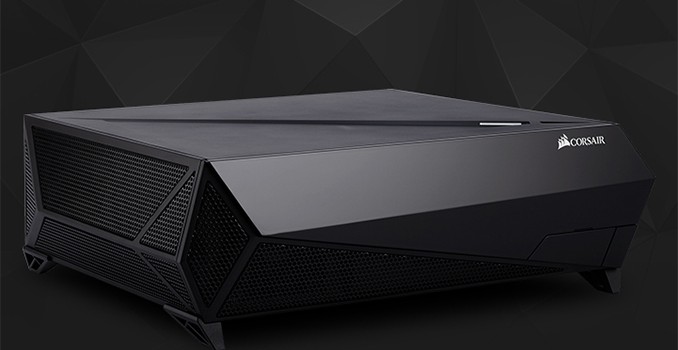
Corsair’s Bulldog 2.0 Gets Kaby Lake-Compatible Z270 Motherboard, New Cooler

Corsair’s Bulldog 2.0 Gets Kaby Lake-Compatible Z270 Motherboard, New Cooler

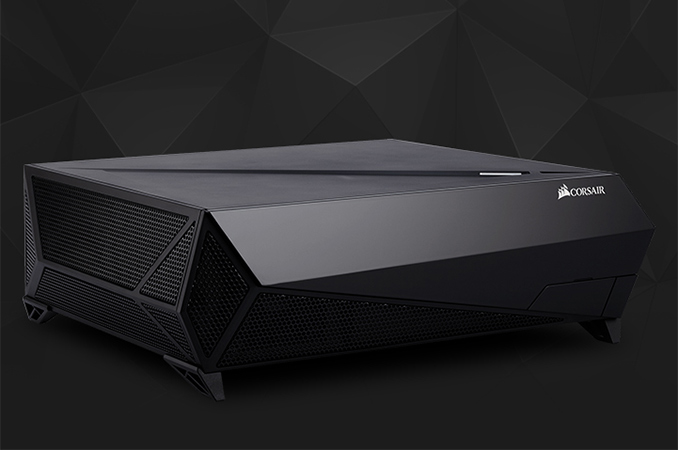
Corsair introduced its new Bulldog 2.0 small form-factor HTPC console-like barebones kit at CES. The new Bulldog 2.0 received a new motherboard based on the Intel Z270 PCH with improved features, as well as a new CPU liquid cooling system that is said to be quieter compared to the predecessor. At the same time, the kit retained its visual design and a relatively moderate price point.

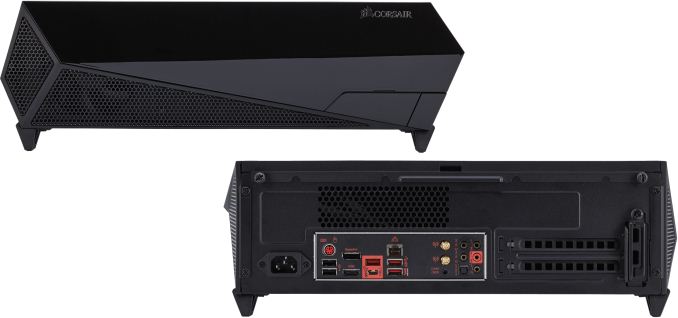
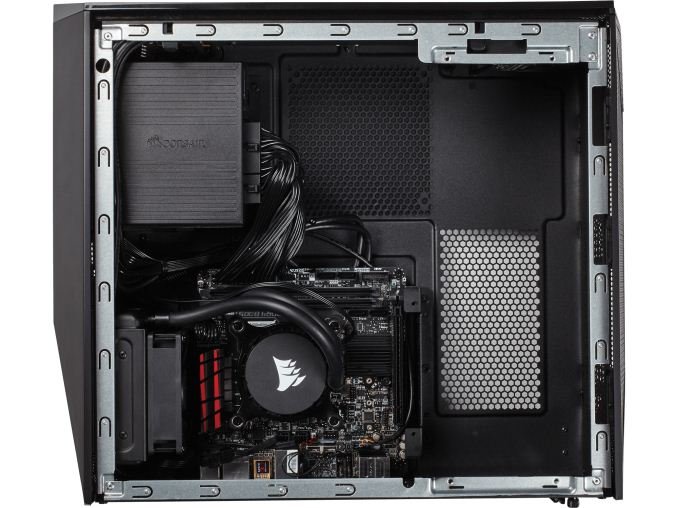
Corsair’s Bulldog case blends enthusiast-class performance and features with a living room aesthetics, which is a rather rare combination. The Bulldog chassis can accommodate a mini-ITX motherboard, a full-height graphics card (which is not longer than 300 mm and is not thicker than 90 mm), two liquid cooling systems, a 3.5” HDD, up to three 2.5” storage devices, multiple fans as well as an SFX power supply. At CES Corsair demonstrated its new Bulldog 2.0 barebones kit featuring MSI’s Z270I Gaming Pro Carbon AC motherboard, its own new Hydro H6 SF low-profile cooler as well as the SF600 PSU.

Since the Bulldog 2.0 uses almost the same chassis as the initial product, the key differentiators of the new barebones kit is the mainboard and the LCS. The latter is not yet available separately and the company even has not published its specs. The only thing that Corsair says about the H6 SF is that it is quiet even when it has to cool down an overclocked CPU, which is not really a detailed description. As for the Z270I Gaming Pro Carbon AC motherboard, it comes with an LGA1151 socket supporting both Kaby Lake-S and Skylake-S processors, two DIMM slots for up to 32 GB of DDR4 memory, a PCIe 3.0 x4/NVMe M.2-2280 slot for SSDs and a PCIe x16 slot for graphics cards. The motherboard is equipped with the new ASMedia ASM2142 controller (uses PCIe 3.0 x2 interface and thus provides up to 16 Gbps of bandwidth to two USB 3.1 Gen 2 ports) powering USB 3.1 Gen 2 Type-A/C headers, Intel’s dual-band Wireless-AC 8265 module (Wi-Fi 802.11ac + BT 4.2), Intel’s I219-V Gigabit Ethernet controller, a 7.1-channel Realtek ALC1220-based audio sub-system, SATA connectors and so on.

Corsair Bulldog 2.0 Barebones Kit: Quick Specs
Motherboard MSI Z270I Gaming Pro Carbon AC
CPU Cooler Corsair Hydro H6 SF
PSU Corsair SF600 (600 W 80 Plus)
Dimensions (W×H×D) 457 mm × 133 mm × 381 mm
Weight 5 kilograms
Motherboard Form-Factor Mini-ITX
PSU Form-Factor SFX
3.5″ Drive Bays 1
2.5″ Drive Bays 1 if 3.5″ drive is installed
3 if 3.5″ bay is unused
System Fans 2 × 92 mm (included)
1 × 120 mm
CPU Cooler Dimensions Up to 90 mm in height
Graphics Card Length 300 mm
PSU Length 130 mm
External Connectors Power, Audio, USB 3.0, USB 3.1, Display, etc

The motherboard looks to be more advanced than the one installed into the first-gen Bulldog as it is based on the latest Intel Z270 PCH, supports Optane Memory caching, a newer audio codec and an improved USB 3.1 (10 Gbps) controller. If the H6 SF LCS is really quieter than the predecessor, then the Bulldog 2.0 has a nice set of improvements over the first version.

The refined Corsair Bulldog 2.0 barebones kit will be available shortly for $399.99, the price point of the first-gen product. In addition, select PC makers and retailers will offer their PCs based on the Bulldog 2.0 that will cost according to their specifications: The higher-end models will use MSI’s liquid-cooled Hydro GFX GTX 1080 graphics cards along with Intel’s K-processors, whereas more affordable builds will use something less extreme for an SFF system.

Related Reading: