Vik


Kopin at CES 2017: 2K120 VR, Whisper Voice Recognition

Kopin at CES 2017: 2K120 VR, Whisper Voice Recognition

If you’ve never heard of Kopin before, you’re probably like most people. Going into CES I had no idea what Kopin was, but it turns out that they’re actually a fairly significant company that has been around for decades working on mic…

D-Link's Covr Whole-Home Networking Solutions - Wi-Fi SON with Wi-Fi and HomePlug Backhauls

D-Link’s Covr Whole-Home Networking Solutions – Wi-Fi SON with Wi-Fi and HomePlug Backhauls

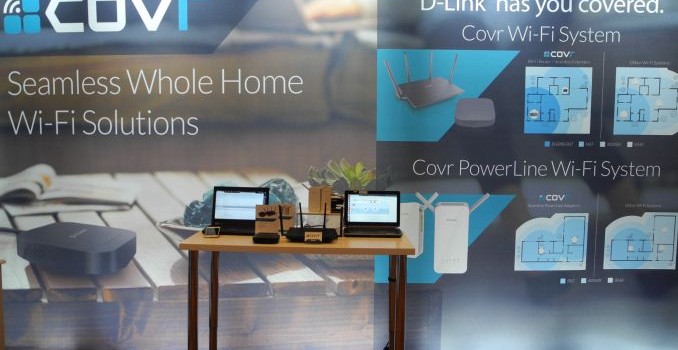
D-Link is launching a few IP cameras and a couple of Wi-Fi home networking solutions at CES 2017.
More relevant to our recent coverage are the two new whole-home Wi-Fi solutions being launched under the Covr tag. Mesh Wi-Fi’s sudden market traction, thanks to offerings from startups such as eero and Luma, has forced incumbent vendors to re-package their separate router and range extender product lines with tighter integration in terms of both hardware design and firmware features. Qulacomm’s Wi-Fi SON (Self-Organizing Networks) firmware features have definitely lent a helping hand to vendors to get started quickly with such systems.

D-Link’s Covr systems come in two flavors – one with a pure Wi-Fi backhaul, and the other with a powerline backhaul using HomePlug AV2 technology. The firmware features for the whole-home Wi-Fi system are based upon Qualcomm’s Wi-Fi SON in both versions. We have already evaluated different types of backhauls for extending Wi-Fi reach. In our testing, a dedicated 4×4 802.11ac Wi-Fi backhaul was able to perform better than both HomePlug AV2 (AV2 2000) and G.hn powerline systems. However, performance seen by end users may vary widely based on the type of construction of the home as well as the Wi-Fi backhaul characteristics and powerline chipsets used.

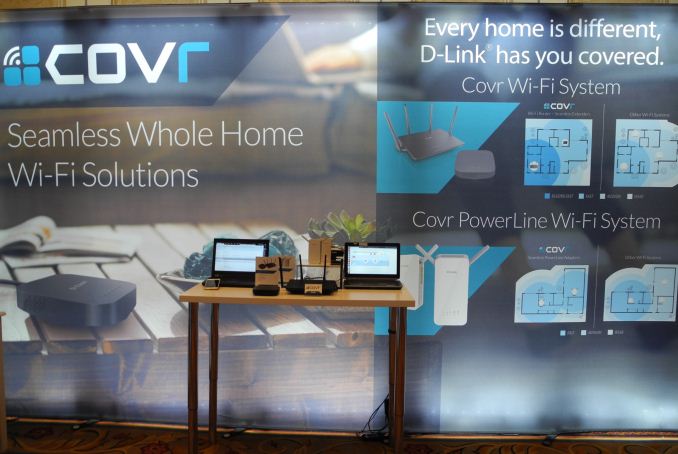
The pure Wi-Fi backhaul version is the Covr Wi-Fi System (DKT-883), while the HomePlug backhaul version is the Covr Powerline Wi-Fi System (DHP-W732AV).

Covr with Wi-Fi Backhaul: DKT-883

Typical mesh Wi-Fi or whole-home Wi-Fi systems rely upon multiple units sharing very similar hardware. On the other hand, D-Link has adopted the more traditional approach with an AC2600 router (based on the Qualcomm Atheros 8065 SoC) – the DIR-883 Dual-Band MU-MIMO Wi-Fi Router with 4×4 802.11ac (1733 Mbps in the single 5 GHz band and 800 Mbps in the single 2.4 GHz band) – at the heart of the system. The DAP-1655 AC1300 Gigabit Wi-Fi Extender (2×2 802.11ac with 867 Mbps in the 5 GHz band and 400 Mbps in the 2.4 GHz band) is the other part of the system.

Note that there is no dedicated Wi-Fi backhaul channel – bandwidth is shared between client devices and the router-extender communication link. Users sensitive to performance need to keep this mind. The selling point, therefore, boils down to the Wi-Fi SON features of smart steering, load balancing across the 5 GHz and 2.4 GHz bands, and easy set up.

Covr with Powerline Backhaul: DHP-W732AV

The DHP-W732AV solution is meant to extend Wi-Fi reach with an already existing router in the network. HomePlug AV2 1200 is used as the backhaul. The kit consists of two DHP-W730AV adapters. These adapters are 2×2 802.11ac solutions with Qualcomm Atheros chipsets for both Wi-Fi and powerline communication. While the PLC chipset it AV2 1200-class, the Wi-Fi is AC1300 (867 Mbps on 5 GHz + 400 Mbps in the 2.4 GHz band)

Each kit member also has three gigabit ports to service wired clients at their placement locations. Note that the kit doesn’t need a wired connection to the main router (typical of many range extenders that use PLC backbone). Instead, since both members of the kit are Wi-Fi-enabled, one is used to connect to the Wi-Fi network of the main router, while the second one can be connected to any power outlet to extend the Wi-Fi reach. The key here is again the use of Wi-Fi SON to make the whole experience seamless when handing off clients between the Wi-Fi networks of the PLC kits and the main router’s Wi-Fi network.

The DKT-883 and DHP-W732AV will both become available in Q2 2017 for $300 and $199 respectively.

In other CES news, D-Link also launched their first Apple HomeKit-certified IP camera, the Omna 1080 Cam HD (DSH-C310), and a host of other budget IP cameras. A welcome announcement was the integration of the functionalities present in multiple D-Link apps into one unified mydlink Home App for all of the company’s IP cameras and smart home devices.

D-Link's Covr Whole-Home Networking Solutions - Wi-Fi SON with Wi-Fi and HomePlug Backhauls

D-Link’s Covr Whole-Home Networking Solutions – Wi-Fi SON with Wi-Fi and HomePlug Backhauls

D-Link is launching a few IP cameras and a couple of Wi-Fi home networking solutions at CES 2017.
More relevant to our recent coverage are the two new whole-home Wi-Fi solutions being launched under the Covr tag. Mesh Wi-Fi’s sudden market traction, thanks to offerings from startups such as eero and Luma, has forced incumbent vendors to re-package their separate router and range extender product lines with tighter integration in terms of both hardware design and firmware features. Qulacomm’s Wi-Fi SON (Self-Organizing Networks) firmware features have definitely lent a helping hand to vendors to get started quickly with such systems.

D-Link’s Covr systems come in two flavors – one with a pure Wi-Fi backhaul, and the other with a powerline backhaul using HomePlug AV2 technology. The firmware features for the whole-home Wi-Fi system are based upon Qualcomm’s Wi-Fi SON in both versions. We have already evaluated different types of backhauls for extending Wi-Fi reach. In our testing, a dedicated 4×4 802.11ac Wi-Fi backhaul was able to perform better than both HomePlug AV2 (AV2 2000) and G.hn powerline systems. However, performance seen by end users may vary widely based on the type of construction of the home as well as the Wi-Fi backhaul characteristics and powerline chipsets used.

The pure Wi-Fi backhaul version is the Covr Wi-Fi System (DKT-883), while the HomePlug backhaul version is the Covr Powerline Wi-Fi System (DHP-W732AV).

Covr with Wi-Fi Backhaul: DKT-883

Typical mesh Wi-Fi or whole-home Wi-Fi systems rely upon multiple units sharing very similar hardware. On the other hand, D-Link has adopted the more traditional approach with an AC2600 router (based on the Qualcomm Atheros 8065 SoC) – the DIR-883 Dual-Band MU-MIMO Wi-Fi Router with 4×4 802.11ac (1733 Mbps in the single 5 GHz band and 800 Mbps in the single 2.4 GHz band) – at the heart of the system. The DAP-1655 AC1300 Gigabit Wi-Fi Extender (2×2 802.11ac with 867 Mbps in the 5 GHz band and 400 Mbps in the 2.4 GHz band) is the other part of the system.

Note that there is no dedicated Wi-Fi backhaul channel – bandwidth is shared between client devices and the router-extender communication link. Users sensitive to performance need to keep this mind. The selling point, therefore, boils down to the Wi-Fi SON features of smart steering, load balancing across the 5 GHz and 2.4 GHz bands, and easy set up.

Covr with Powerline Backhaul: DHP-W732AV

The DHP-W732AV solution is meant to extend Wi-Fi reach with an already existing router in the network. HomePlug AV2 1200 is used as the backhaul. The kit consists of two DHP-W730AV adapters. These adapters are 2×2 802.11ac solutions with Qualcomm Atheros chipsets for both Wi-Fi and powerline communication. While the PLC chipset it AV2 1200-class, the Wi-Fi is AC1300 (867 Mbps on 5 GHz + 400 Mbps in the 2.4 GHz band)

Each kit member also has three gigabit ports to service wired clients at their placement locations. Note that the kit doesn’t need a wired connection to the main router (typical of many range extenders that use PLC backbone). Instead, since both members of the kit are Wi-Fi-enabled, one is used to connect to the Wi-Fi network of the main router, while the second one can be connected to any power outlet to extend the Wi-Fi reach. The key here is again the use of Wi-Fi SON to make the whole experience seamless when handing off clients between the Wi-Fi networks of the PLC kits and the main router’s Wi-Fi network.

The DKT-883 and DHP-W732AV will both become available in Q2 2017 for $300 and $199 respectively.

In other CES news, D-Link also launched their first Apple HomeKit-certified IP camera, the Omna 1080 Cam HD (DSH-C310), and a host of other budget IP cameras. A welcome announcement was the integration of the functionalities present in multiple D-Link apps into one unified mydlink Home App for all of the company’s IP cameras and smart home devices.

D-Link's Covr Whole-Home Networking Solutions - Wi-Fi SON with Wi-Fi and HomePlug Backhauls

D-Link’s Covr Whole-Home Networking Solutions – Wi-Fi SON with Wi-Fi and HomePlug Backhauls

D-Link is launching a few IP cameras and a couple of Wi-Fi home networking solutions at CES 2017.
More relevant to our recent coverage are the two new whole-home Wi-Fi solutions being launched under the Covr tag. Mesh Wi-Fi’s sudden market traction, thanks to offerings from startups such as eero and Luma, has forced incumbent vendors to re-package their separate router and range extender product lines with tighter integration in terms of both hardware design and firmware features. Qulacomm’s Wi-Fi SON (Self-Organizing Networks) firmware features have definitely lent a helping hand to vendors to get started quickly with such systems.

D-Link’s Covr systems come in two flavors – one with a pure Wi-Fi backhaul, and the other with a powerline backhaul using HomePlug AV2 technology. The firmware features for the whole-home Wi-Fi system are based upon Qualcomm’s Wi-Fi SON in both versions. We have already evaluated different types of backhauls for extending Wi-Fi reach. In our testing, a dedicated 4×4 802.11ac Wi-Fi backhaul was able to perform better than both HomePlug AV2 (AV2 2000) and G.hn powerline systems. However, performance seen by end users may vary widely based on the type of construction of the home as well as the Wi-Fi backhaul characteristics and powerline chipsets used.

The pure Wi-Fi backhaul version is the Covr Wi-Fi System (DKT-883), while the HomePlug backhaul version is the Covr Powerline Wi-Fi System (DHP-W732AV).

Covr with Wi-Fi Backhaul: DKT-883

Typical mesh Wi-Fi or whole-home Wi-Fi systems rely upon multiple units sharing very similar hardware. On the other hand, D-Link has adopted the more traditional approach with an AC2600 router (based on the Qualcomm Atheros 8065 SoC) – the DIR-883 Dual-Band MU-MIMO Wi-Fi Router with 4×4 802.11ac (1733 Mbps in the single 5 GHz band and 800 Mbps in the single 2.4 GHz band) – at the heart of the system. The DAP-1655 AC1300 Gigabit Wi-Fi Extender (2×2 802.11ac with 867 Mbps in the 5 GHz band and 400 Mbps in the 2.4 GHz band) is the other part of the system.

Note that there is no dedicated Wi-Fi backhaul channel – bandwidth is shared between client devices and the router-extender communication link. Users sensitive to performance need to keep this mind. The selling point, therefore, boils down to the Wi-Fi SON features of smart steering, load balancing across the 5 GHz and 2.4 GHz bands, and easy set up.

Covr with Powerline Backhaul: DHP-W732AV

The DHP-W732AV solution is meant to extend Wi-Fi reach with an already existing router in the network. HomePlug AV2 1200 is used as the backhaul. The kit consists of two DHP-W730AV adapters. These adapters are 2×2 802.11ac solutions with Qualcomm Atheros chipsets for both Wi-Fi and powerline communication. While the PLC chipset it AV2 1200-class, the Wi-Fi is AC1300 (867 Mbps on 5 GHz + 400 Mbps in the 2.4 GHz band)

Each kit member also has three gigabit ports to service wired clients at their placement locations. Note that the kit doesn’t need a wired connection to the main router (typical of many range extenders that use PLC backbone). Instead, since both members of the kit are Wi-Fi-enabled, one is used to connect to the Wi-Fi network of the main router, while the second one can be connected to any power outlet to extend the Wi-Fi reach. The key here is again the use of Wi-Fi SON to make the whole experience seamless when handing off clients between the Wi-Fi networks of the PLC kits and the main router’s Wi-Fi network.

The DKT-883 and DHP-W732AV will both become available in Q2 2017 for $300 and $199 respectively.

In other CES news, D-Link also launched their first Apple HomeKit-certified IP camera, the Omna 1080 Cam HD (DSH-C310), and a host of other budget IP cameras. A welcome announcement was the integration of the functionalities present in multiple D-Link apps into one unified mydlink Home App for all of the company’s IP cameras and smart home devices.

CES 2017: Xiaomi (Not) Live Blog

CES 2017: Xiaomi (Not) Live Blog

I’m here at Xiaomi’s “A Glimpse Into The Future” CES 2017 press conference, where the company will be announcing at least one new product.

This is Xiaomi’s first time presenting at CES.

The fairly small ballroom is packed and apparently RF shielded.

I don’t have any cellular service in here, and Xiaomi does not have Wi-Fi available.

So I’ll be posting this “live” blog in one chunk after the event once I’m connected to the rest of the world again.

Looks like standing room only at the back. A lot of press interested to see what Xiaomi is presenting.

The music is loud and the bass is thumping. We must be getting close to starting.

Video playing: Showing a lot of large black monoliths. “Not just a smartphone, but a door to the future.”

On stage discussing the company’s history. Founded April 6, 2010. Still a young company.

Created a unique approach to designing and selling products.

Three pillars: Hardware, Internet services, Mi Ecosystem (IoT platform)

Xiaomi in 20 different countries/locations now.

Hugo Barra on stage

He’s filling us in on the company’s recent products

Mi 5s: Uses an ultrasonic fingerprint sensor under the front glass. Requires no cutout in glass.

Mi VR: 9-axis intertial motion controller

What will phones look like in the future?

Xiaomi’s answer: Mi Mix

Mi Mix has almost no bezels. Larger display with same overall footprint of phones with smaller displays.

New tech in Mi Mix:

Mi 5 used ceramic for just the back, but Mi MIX’s body is full ceramic.

There’s a new white version of the Mi Mix. Available in China later this year.

Now discussing Mi Ecosystem. Consists of hundreds of smart products and IoT devices.

Has grown tremendously over the last couple of years. Xiaomi is working/investing with 77 companies.

He says Xiaomi is world’s most successful tech incubator.

Lots of different products: air purifiers (important category in China), bicycles, drones, robots

Mi Home app controls Xiaomi smart home appliances. Available for all Android devices. Can use it to see the path of Xiaomi’s vacuum cleaner.

Also displays health and fitness stats

New Mi Router: Mi Router HD

Up to 2600Mbps 802.11ac Wi-Fi with 4×4 MU-MIMO. Uses a Qualcomm IPQ8064 chip. 8TB internal hard drive.

Launching later in China for under $500 (8TB) or $200 (1 TB)

The big announcement for today:

It’s thin (very)

37% thinner than Mi Mix. Thinner than iPhone 7

Thin is in, baby.

Mi TV 4 smart TV (not a smartphone!)

4.9mm at thinnest point

almost no bezels

Brushed aluminum back cover, and transparent stand

PatchWall deep learning UI layer. Uses meta-data and viewing history to power personal recommendation engine.

UI uses an adaptive grid based on magazine layouts. More relevant content is presented in larger, easier to notice tiles. It looks pretty slick.

Now discussing modular TVs. Most TVs are completely integrated. Can’t upgrade individual components. Modular TVs separate the display from the rest of the electronics. Buy a new Mi TV Bat (sound bar), which includes the processors and ports, and connect it to your existing display.

One cable, Mi Port, connects sound bar to screen. Reduces cable clutter.

Mi TV 4 supports Dolby Atmos. Uses two upward firing speakers to reflect sound off the ceiling to provide a vertical element to surround sound.

No mention of panel specs

Mi TV 4 will be available in four sizes: 49″, 55″, and 65″

The 65″ Mi TV 4 will be priced below $2000 with the Dolby Atmos Home Theater bar, and will be below $1500 with the standard Mi TV Bar.

A summary of Xiaomi’s announcements for today:

And that’s a wrap. Sorry about the technical difficulties.