Vik


Western Digital Updates My Cloud Mirror NAS, Releases My Cloud OS 3
Western Digital Updates My Cloud Mirror NAS, Releases My Cloud OS 3

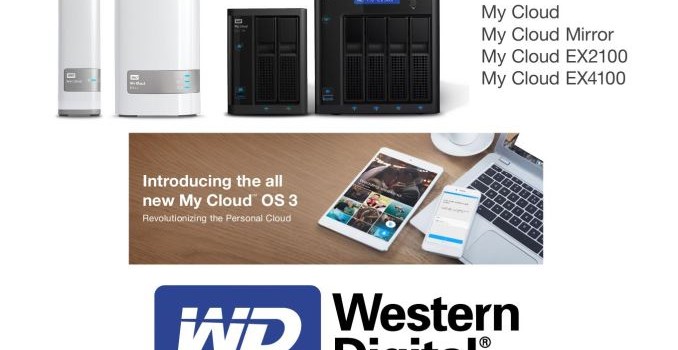
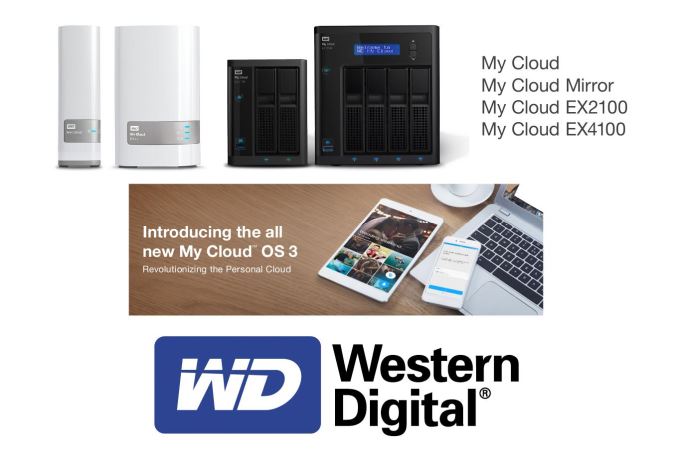
Western Digital markets their NAS lineup under the ‘Personal Cloud’ category. This is further sub-divided into three markets, the ‘Consumer Series’ (the MyCloud units), ‘Expert Series’ (the EX units) and the ‘Business Series’ (the DL units). At IFA 2015, WD took the opportunity to announce some updates to their NAS units. On the hardware side, there is a refresh of the My Cloud Mirror (2-bay version) with an updated internal platform. On the software front, the next major version of My Cloud OS (v3) with plenty of interesting features is being made available for download.

In the conference call to discuss this announcement, WD presented plenty of interesting facts – 50% market share amongst 1- and 2-bay NAS units in the US and 30% amongst all consumer NAS units in the EMEA regions. Surprisingly, they also indicated that more than 1.6M My Cloud and My Cloud Mirror units have
been sold so far (and more than 5M My Cloud App downloads).

My Cloud OS 3

The number one feature that My Cloud OS 3 brings to users is the ‘Sync’ capability. It works similar to Dropbox. In the NAS market, it can be thought of as an equivalent feature for Synology’s Cloud Station or QNAP’s  QSync.

Sync allows data in a given PC’s folder to be mapped on to a sync folder on the WD My Cloud NAS. The data here can be automatically kept synchronized with a folder on another PC that also has the WD Sync program running. The Sync program also allows for versioning on the synced files.

My Cloud OS 3 continues the ease of use of the cloud access from an external network – either through port forwarding or a relay connection via WD’s servers. The My Cloud mobile app can also backup photos and videos from an iOS or Android device to the My Cloud NAS.

My Cloud OS had decent support for multimedia – photos and videos could be streamed like an album. OS 3 brings in a completely new feature ‘My Cloud Albums’ – it is possible to share a particular folder on the NAS with a group of friends.

The settings on the mobile app with everyone in the group can be configured to upload all photos taken withing a particular timestamp into the shared common folder.

WD is also launching a developer program with two approaches. A My Cloud API is being provided to access content on a My Cloud device. A My Cloud SDK can be utilized to write an application that can run on a My Cloud device using Docker.

A list of partners is also being announced for the My Cloud OS:

  • Milestone Surveillance – The Arcus VMS is being supported on the My Cloud devices with two free camera licenses (more can be purchased via the WD store)
  • PLEX – This media server app has already been available on My Cloud for quite some time.
  • Adobe – For the cloud-based subscription to Creative Suite, Adobe is allowing users to store media locally on a My Cloud device instead of going to the cloud for that purpose.

My Cloud OS 3 will be made available for download on September 21st.

My Cloud Mirror Gen 2

The My Cloud Mirror has been one of the popular members of the Consumer series, and WD is bumping up the specs of this 2-bay NAS today. The Gen 2 device is based on a Marvell ARMADA 385 dual-core 1.33 GHz solution sporting 512 MB of RAM. External features include a single GbE link and two USB 3.0 ports. The unit comes factory-configured in RAID-1. This is a step up from the ARMADA 370 single-core 1.2 GHz solution in the Gen 1 version.
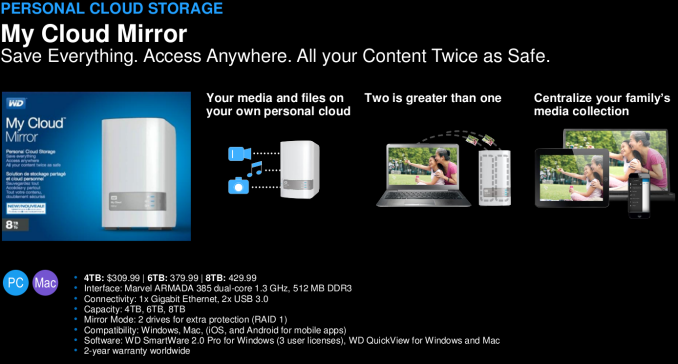
The units are available for pre-order now, and in stores on September 30th. The 4TB, 6TB and 8TB units come in at $310, $380 and $430 respectively. WD also includes 3 user licenses for SmartWare 2.0 Pro with the My Cloud Mirror Gen 2.

It is heartening to see Western Digital put efforts and focus into the NAS market. They may have a lot of catching up to do to be technically on par with vendors such as QNAP or Synology. However, their channel presence as well as the focus on not overwhelming the lowest common denominator customer bodes well for their continued success in the consumer NAS space.
Samsung Announces The Gear S2 Smartwatch

Samsung Announces The Gear S2 Smartwatch

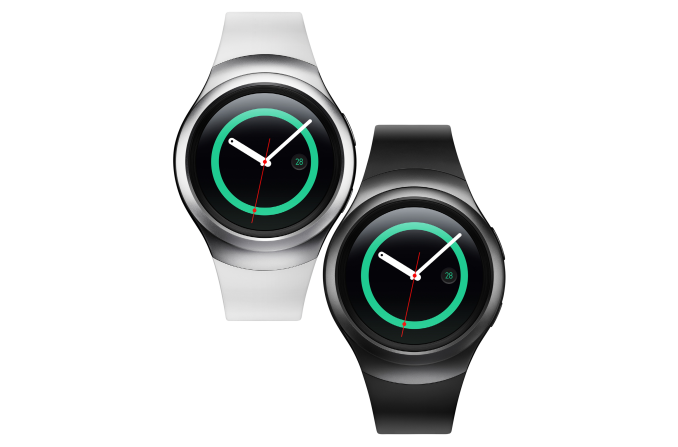
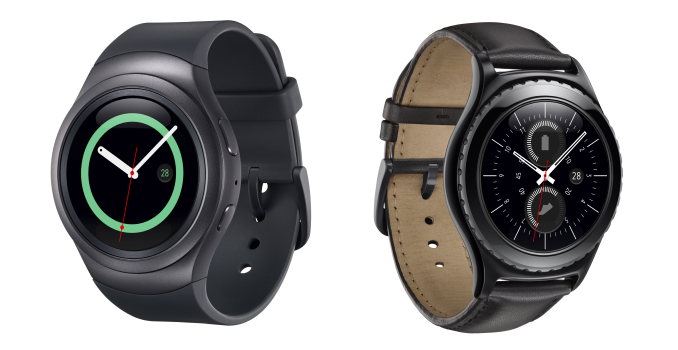
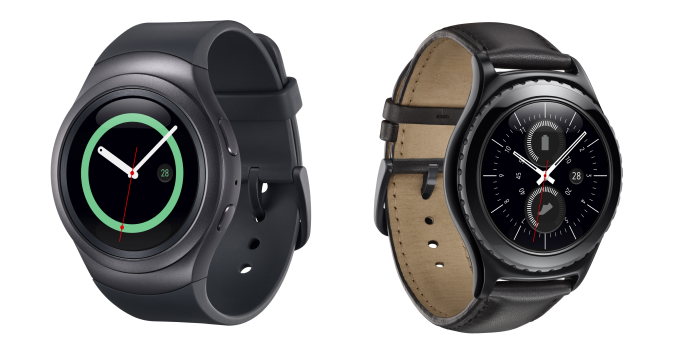
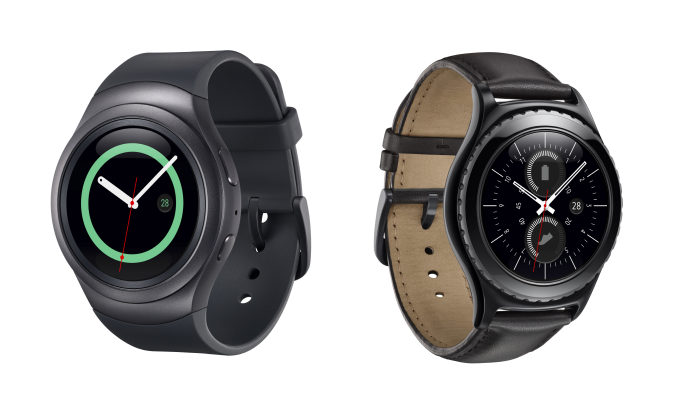
Today Samsung announced the Gear S2 and Gear S2 Classic, the newest products in their line of smartwatches. The Gear S2 has what Samsung describes as a more minimal and modern design, while the Gear S2 classic uses leather and a black finish in an attempt to appeal to fans of traditional mechanical watches.

In addition to WiFi versions, there’s also the Gear S2 3G which includes cellular capabilities to allow the user to make phone calls from their watch. All three models of the Gear S2 are similar, but there are some differences to accommodate visual changes between the Gear S2 and Gear S2 classic, as well as to fit a larger battery in the 3G edition. I’ve laid out all the known specifications of the Gear S2 in the chart below.

  Samsung Gear S2 and Gear S2 Classic Samsung Gear S2 3G
SoC 1.0GHz Dual Core CPU
RAM/NAND 512MB RAM, 4GB NAND
Display 1.2″ Circular 360×360 SAMOLED (302ppi)
Dimensions Gear S2: 42.3×49.8×11.4mm (47g)
Classic: 39.9×43.6×11.4mm (42g)
44.0 x 51.8 x 13.4mm (51g)
Battery 250 mAh (0.95 Whr) 300 mAh (1.14 Whr)
OS Samsung Tizen
Sensors Accelerometer, Gyroscope, Heart Rate, Ambient Light, Barometer
Connectivity 802.11/b/g/n + BT 4.1, NFC

The Gear S2 is powered by an unnamed dual core SoC with a peak frequency of 1GHz. The circular display has a maximum horizontal and vertical resolution of 360 pixels, which equates to 302 pixels per inch. With Tizen being Samsung’s own operating system they can tune the interface to work best with their AMOLED displays to minimize power consumption. Both WiFi versions of the Gear S2 include a 250mAh battery, while the 3G edition increases this to 300mAh, with a corresponding increase in case thickness. According to Samsung, the WiFi only version of the Gear S2 will last between two and three days of typical usage, while the 3G model will last around two days.

The Gear S2 also includes a number of sensors in order to track information pertaining to exercise and fitness. It includes an accelerometer, a gyroscope, a heart rate tracker, an ambient light sensor, and interestingly, a barometer which can be used for tracking elevation by measuring atmospheric pressure. A barometer is a sensor that was notably absent from the Apple Watch, and it could help give Samsung an edge when it comes to the accuracy of their health tracking.

Notably absent from the 3G model is a SIM slot. This is because the Gear S2 makes use of an e-SIM card, an embedded version of the SIM chip current devices use to register and work on mobile networks. It’s not clear what implications this will have for carrier compatibility, but it would make sense that support from a carrier would be required in order to use the Gear S2 3G on their network.

Something that differentiates the Gear S2 from Samsung’s previous watches are the methods of input that Samsung has included. The bezel around the circular display acts as a rotating input, which the user can use to zoom, scroll, etc. There are also two buttons located next to each other on the right side of the case, which function as home and back buttons respectively. This is again an advantage of Samsung using their own operating system, as they can implement controls that may not work within the control scheme of another operating system like Android Wear.

Naturally, Samsung’s Tizen smartwatches don’t have access to the application library or functionality that comes with Android Wear. However, a look at Samsung’s history with smartwatches makes it clear that they are pushing Tizen as their major wearable platform for their devices rather than Android Wear. It will be interesting to see how this turns out for them. On one hand, they can tune the OS to work seamlessly alongside the hardware. On the other hand, they’re limited in terms of third party support from app developers.

The Gear S2, Gear S2 Classic, and Gear S2 3G will be launching in the near future. There’s currently no word on pricing, but there is already a commitment from AT&T, Verizon, and T-Mobile USA to sell the 3G version of the watch.

Samsung Announces The Gear S2 Smartwatch

Samsung Announces The Gear S2 Smartwatch

Today Samsung announced the Gear S2 and Gear S2 Classic, the newest products in their line of smartwatches. The Gear S2 has what Samsung describes as a more minimal and modern design, while the Gear S2 classic uses leather and a black finish in an attempt to appeal to fans of traditional mechanical watches.

In addition to WiFi versions, there’s also the Gear S2 3G which includes cellular capabilities to allow the user to make phone calls from their watch. All three models of the Gear S2 are similar, but there are some differences to accommodate visual changes between the Gear S2 and Gear S2 classic, as well as to fit a larger battery in the 3G edition. I’ve laid out all the known specifications of the Gear S2 in the chart below.

  Samsung Gear S2 and Gear S2 Classic Samsung Gear S2 3G
SoC 1.0GHz Dual Core CPU
RAM/NAND 512MB RAM, 4GB NAND
Display 1.2″ Circular 360×360 SAMOLED (302ppi)
Dimensions Gear S2: 42.3×49.8×11.4mm (47g)
Classic: 39.9×43.6×11.4mm (42g)
44.0 x 51.8 x 13.4mm (51g)
Battery 250 mAh (0.95 Whr) 300 mAh (1.14 Whr)
OS Samsung Tizen
Sensors Accelerometer, Gyroscope, Heart Rate, Ambient Light, Barometer
Connectivity 802.11/b/g/n + BT 4.1, NFC

The Gear S2 is powered by an unnamed dual core SoC with a peak frequency of 1GHz. The circular display has a maximum horizontal and vertical resolution of 360 pixels, which equates to 302 pixels per inch. With Tizen being Samsung’s own operating system they can tune the interface to work best with their AMOLED displays to minimize power consumption. Both WiFi versions of the Gear S2 include a 250mAh battery, while the 3G edition increases this to 300mAh, with a corresponding increase in case thickness. According to Samsung, the WiFi only version of the Gear S2 will last between two and three days of typical usage, while the 3G model will last around two days.

The Gear S2 also includes a number of sensors in order to track information pertaining to exercise and fitness. It includes an accelerometer, a gyroscope, a heart rate tracker, an ambient light sensor, and interestingly, a barometer which can be used for tracking elevation by measuring atmospheric pressure. A barometer is a sensor that was notably absent from the Apple Watch, and it could help give Samsung an edge when it comes to the accuracy of their health tracking.

Notably absent from the 3G model is a SIM slot. This is because the Gear S2 makes use of an e-SIM card, an embedded version of the SIM chip current devices use to register and work on mobile networks. It’s not clear what implications this will have for carrier compatibility, but it would make sense that support from a carrier would be required in order to use the Gear S2 3G on their network.

Something that differentiates the Gear S2 from Samsung’s previous watches are the methods of input that Samsung has included. The bezel around the circular display acts as a rotating input, which the user can use to zoom, scroll, etc. There are also two buttons located next to each other on the right side of the case, which function as home and back buttons respectively. This is again an advantage of Samsung using their own operating system, as they can implement controls that may not work within the control scheme of another operating system like Android Wear.

Naturally, Samsung’s Tizen smartwatches don’t have access to the application library or functionality that comes with Android Wear. However, a look at Samsung’s history with smartwatches makes it clear that they are pushing Tizen as their major wearable platform for their devices rather than Android Wear. It will be interesting to see how this turns out for them. On one hand, they can tune the OS to work seamlessly alongside the hardware. On the other hand, they’re limited in terms of third party support from app developers.

The Gear S2, Gear S2 Classic, and Gear S2 3G will be launching in the near future. There’s currently no word on pricing, but there is already a commitment from AT&T, Verizon, and T-Mobile USA to sell the 3G version of the watch.

Netgear Launches XS728T 28-port 10-Gigabit Smart Managed Switch

Netgear Launches XS728T 28-port 10-Gigabit Smart Managed Switch

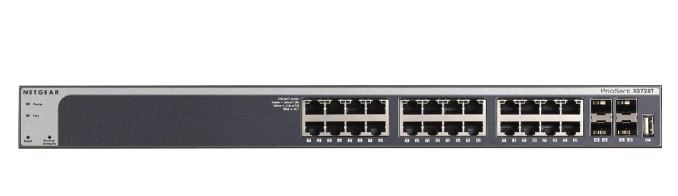
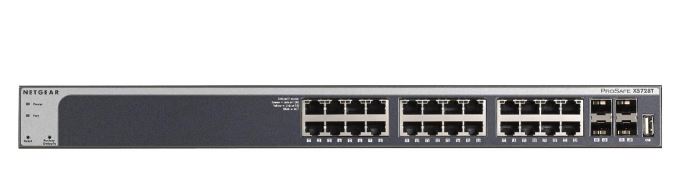
In early 2013, Netgear launched the XS708E (8x 10GBASE-T with 1x shared 10G SFP+) unmanaged switch, the XS712T (12x 10GBASE-T with 2x shared 10G SFP+) smart managed switch and the XSM7224 (24x 10GBASE-T with 4x 10G SFP+) fully managed switch. Netgear is announcing the XS728T today, adding a new member to the smart managed switch family. The XS728T comes with 24x 10GBASE-T ports and 4x dedicated 10G SFP+ ports.

Netgear claims that the ProSafe XS728T is the industry’s first 28-port 10-Gigabit Smart Managed Switch. It falls in the same category as the XS712T with respect to the management capabilities. We have been having a good experience using the XS712T in our 10G-capable NAS testbed. It is not a fully managed switch, but does manage to be cost-effective in the process.

Compared to the XS712T, the XS728T brings support static IPv6 routing. Netgear advertises L2+/Layer 3 Lite features in the XS-T series making them suitable for core switches in SMB environments. The datasheet provides information about the L2+ / L3 Lite features.

The performance aspects of the XS712T and the XS728T are summarized in the table below.

The datasheet provides detailed technical specifications. One of the aspects that caught my eye was the acoustic levels. While the XS712T was rated at 49.7 dBA (We use it in our testbed, and the noise is pretty much what makes the usage of the unit difficult during evaluation in a home lab setting), the XS728T comes in at 41.6 dBA. I was also curious about the core platform. Netgear indicated that the XS728T uses Marvell silicon inside. These are fabricated in a smaller process node (we believe it is the Alaska transceivers and some combination of Prestera DX packet processors fabricated in 28nm). These operate a bit cooler, reducing the thermal load. The number of fans in the XS728T has also been doubled to four (compared to two in the XS712T). Taken together, these changes have enabled Netgear to run the fans slower and generate less noise.

The XS728T has a MSRP of $4624. However, as is usual with enterprise equipment, final pricing for end customers may vary from one reseller to another.


Netgear Launches XS728T 28-port 10-Gigabit Smart Managed Switch

Netgear Launches XS728T 28-port 10-Gigabit Smart Managed Switch

In early 2013, Netgear launched the XS708E (8x 10GBASE-T with 1x shared 10G SFP+) unmanaged switch, the XS712T (12x 10GBASE-T with 2x shared 10G SFP+) smart managed switch and the XSM7224 (24x 10GBASE-T with 4x 10G SFP+) fully managed switch. Netgear is announcing the XS728T today, adding a new member to the smart managed switch family. The XS728T comes with 24x 10GBASE-T ports and 4x dedicated 10G SFP+ ports.

Netgear claims that the ProSafe XS728T is the industry’s first 28-port 10-Gigabit Smart Managed Switch. It falls in the same category as the XS712T with respect to the management capabilities. We have been having a good experience using the XS712T in our 10G-capable NAS testbed. It is not a fully managed switch, but does manage to be cost-effective in the process.

Compared to the XS712T, the XS728T brings support static IPv6 routing. Netgear advertises L2+/Layer 3 Lite features in the XS-T series making them suitable for core switches in SMB environments. The datasheet provides information about the L2+ / L3 Lite features.

The performance aspects of the XS712T and the XS728T are summarized in the table below.

The datasheet provides detailed technical specifications. One of the aspects that caught my eye was the acoustic levels. While the XS712T was rated at 49.7 dBA (We use it in our testbed, and the noise is pretty much what makes the usage of the unit difficult during evaluation in a home lab setting), the XS728T comes in at 41.6 dBA. I was also curious about the core platform. Netgear indicated that the XS728T uses Marvell silicon inside. These are fabricated in a smaller process node (we believe it is the Alaska transceivers and some combination of Prestera DX packet processors fabricated in 28nm). These operate a bit cooler, reducing the thermal load. The number of fans in the XS728T has also been doubled to four (compared to two in the XS712T). Taken together, these changes have enabled Netgear to run the fans slower and generate less noise.

The XS728T has a MSRP of $4624. However, as is usual with enterprise equipment, final pricing for end customers may vary from one reseller to another.