News


UL Acquires Futuremark, Expanding into Benchmarking Services

UL Acquires Futuremark, Expanding into Benchmarking Services

Earlier this week, in something of an unexpected move, UL (Underwriters Laboratories) and Futuremark announced that UL had acquired the benchmarking company, signaling their expansion into the software development industry and benchmarking services. This might seem a bit of an odd fit at first, as UL is a large corporation that’s more than a century old and they have a history of providing “safety science” – they certify, validate, test, inspect, audit, and advise consumers and businesses in matters of safety. Reading further into the announcement however clarifies things:

“Embedded software is now an important part of product design. With an increased focus on mobility, we see more and more products being connected, making the Internet of Things a reality. Consequently, software quality is a significant driver of product safety and performance; and we believe that benchmarking is an important way to help our customers to improve the performance of their products. This acquisition provides [UL] with an opportunity to build a new business line in testing a wide variety of technological devices so they offer the performance, safety and privacy that consumers expect.”

In other words, Futuremark’s expertise in building benchmarking and testing software, including perhaps most notably the recent release of 3DMark and PCMark for Android, will help UL in testing and certifying a variety of modern devices. The announcement goes on to note that UL plans for additional investments into Futuremark’s product development, increasing the range and types of benchmarks that are offered.

For their part, Futuremark obviously gets much deeper corporate funding, and UL is a global company with many resources and contacts. Futuremark’s current staff of 39 employees will all remain, including the CEO Jukka Mäkinen. UL by comparison already has over 10,000 employees located around the world. Details of the amount of the acquisition are not known, but UL notes that both Futuremark and UL have a history of neutrality and independence that they intend to continue, and at present UL will continue to support Futuremark’s distribution of benchmarking software for PCs and mobile devices.

UL Acquires Futuremark, Expanding into Benchmarking Services

UL Acquires Futuremark, Expanding into Benchmarking Services

Earlier this week, in something of an unexpected move, UL (Underwriters Laboratories) and Futuremark announced that UL had acquired the benchmarking company, signaling their expansion into the software development industry and benchmarking services. This might seem a bit of an odd fit at first, as UL is a large corporation that’s more than a century old and they have a history of providing “safety science” – they certify, validate, test, inspect, audit, and advise consumers and businesses in matters of safety. Reading further into the announcement however clarifies things:

“Embedded software is now an important part of product design. With an increased focus on mobility, we see more and more products being connected, making the Internet of Things a reality. Consequently, software quality is a significant driver of product safety and performance; and we believe that benchmarking is an important way to help our customers to improve the performance of their products. This acquisition provides [UL] with an opportunity to build a new business line in testing a wide variety of technological devices so they offer the performance, safety and privacy that consumers expect.”

In other words, Futuremark’s expertise in building benchmarking and testing software, including perhaps most notably the recent release of 3DMark and PCMark for Android, will help UL in testing and certifying a variety of modern devices. The announcement goes on to note that UL plans for additional investments into Futuremark’s product development, increasing the range and types of benchmarks that are offered.

For their part, Futuremark obviously gets much deeper corporate funding, and UL is a global company with many resources and contacts. Futuremark’s current staff of 39 employees will all remain, including the CEO Jukka Mäkinen. UL by comparison already has over 10,000 employees located around the world. Details of the amount of the acquisition are not known, but UL notes that both Futuremark and UL have a history of neutrality and independence that they intend to continue, and at present UL will continue to support Futuremark’s distribution of benchmarking software for PCs and mobile devices.

NVIDIA FY 2015 Q3 Financial Results: Record Revenue For Quarter And Year To Date

NVIDIA FY 2015 Q3 Financial Results: Record Revenue For Quarter And Year To Date

This afternoon NVIDIA announced record revenue for their fiscal year 2015 quarter three, which ended October 26th of this year. For those that do not follow financial data, fiscal years and calendar years are only the same in that they have twelve months. NVIDIA has the fiscal year that is the most out of sync with the calendar year of the tech companies we cover. With that housekeeping out of the way, we can get to the meat of the data. NVIDIA has had a very strong Fiscal Year (FY) 2015 so far, with a Q3 revenue of $1.23 billion, which is up 16% year-over-year. Revenue for the FY so far is also a record at $3.43 billion, up 15% over the end of Q3 last year.

Gross margin for Q3 was 55.2%, down 0.2% from last year and 0.9% since last quarter. Operating expenses were up 5% at $463 million, and net income was up significantly at $173 million. The net income gains are 35% sequentially, and 45% year-over-year. Earnings per share came in at $0.31, up 41% from last quarter and 55% from last year. The beat analyst’s expectations of $0.29 per share.

NVIDIA Q3 2015 Financial Results (GAAP)
In millions except EPS Q3’2015 Q2’2015 Q3’2014 Q/Q Y/Y
Revenue $1225 $1103 $1054 +11% +16%
Gross Margin 55.5% 56.4% 55.7% -0.9% -0.2%
Operating Expenses $463 $456 $443 +2% +5%
Net Income $173 $128 $119 +35% +45%
EPS $0.31 $0.22 $0.20 +41% +55%

During Q3, NVIDIA paid $46 million in cash dividends, and purchased back 16.8 million shares under a $310 million repurchasing agreement. NVIDA has paid $140 million in dividends so far this fiscal year, and repurchased 44.2 million shares, which results in $950 million returned to shareholders through the first three quarters of FY 2015. They stated their intention is to return an additional $600 million in FY 2016.

For shareholders on record as of November 21st, NVIDIA will pay a quarterly dividend of $0.085 per share on December 15th.

NVIDIA Quarterly Revenue Comparison (GAAP)
In millions Q3’2015 Q2’2015 Q3’2014 Q/Q Y/Y
GPU $991 $878 $877 +13% +13%
Tegra Processor $168 $159 $111 +6% +51%
Other $66 $66 $66 flat flat

NVIDIA launched the new Maxwell based GeForce GTX GPUs during the last quarter, which have proven to be a solid performer in our testing. GPUs continue to be the largest revenue generator for NVIDIA, and with the latest product launches revenue for the GPU unit is up 13% year-over-year and quarter-over-quarter. GeForce branded GPU revenue was up 36% based on the continued strength of PC gaming. Within the gaming segment, gaming notebook sales with NVIDIA inside more than doubled as compared to a year ago. Also in the GPU segment is the Tesla GPUs and GRID for high performance computing and datacenter GPU functions, and while exact numbers were not released, NVIDIA stated they had strong grown in this sector, with another record quarter for revenue for Tesla driven by “large project wins with cloud service providers and government customers.” The final piece of the GPU pie is Quadro. Once again, they do not break down the individual GPU segment numbers, but NVIDIA stated Quadro revenue remained strong for the quarter.

Tegra processors sales grew 51% year-over-year, which design wins in automotive infotainment being a strong part of this. NVIDIA said that over six million vehicles on the road have infotainment systems that are powered by NVIDIA processors. Automotive infotainment system revenue nearly doubled year-over-year. On the mobile side, they have also launched the K1 for tablets including the NVIDIA SHIELD and the just released Google Nexus 9. Chromebooks are also finding use for the K1.

The final piece of revenue for NVIDIA is a $66 million licensing agreement with Intel.

For Q4 2015, the outlook is revenue of $1.20 billion, plus or minus 2%. Margins are expected to come in between 55.2% and 55.5%, plus or minus 50 basis points. Operating expenses will be approximately $470 million (GAAP), and a tax rate for Q4 at about 18% plus or minus 1%.

This has been a great year for NVIDIA, with their diversification into mobile starting to get them some product wins, but more importantly for their bottom line they have seen an explosion of growth in the automotive sector. The GPU business also has a great lineup at the moment, especially with the Maxwell GTX lines. The doubling of gaming laptop sales is also great for the PC industry, and helps us understand why we have seen a plethora of new devices announced. Assuming NVIDIA keeps up its record pace for Q4, FY 2015 will be a benchmark for them in the future.

Source: NVIDIA

NVIDIA FY 2015 Q3 Financial Results: Record Revenue For Quarter And Year To Date

NVIDIA FY 2015 Q3 Financial Results: Record Revenue For Quarter And Year To Date

This afternoon NVIDIA announced record revenue for their fiscal year 2015 quarter three, which ended October 26th of this year. For those that do not follow financial data, fiscal years and calendar years are only the same in that they have twelve months. NVIDIA has the fiscal year that is the most out of sync with the calendar year of the tech companies we cover. With that housekeeping out of the way, we can get to the meat of the data. NVIDIA has had a very strong Fiscal Year (FY) 2015 so far, with a Q3 revenue of $1.23 billion, which is up 16% year-over-year. Revenue for the FY so far is also a record at $3.43 billion, up 15% over the end of Q3 last year.

Gross margin for Q3 was 55.2%, down 0.2% from last year and 0.9% since last quarter. Operating expenses were up 5% at $463 million, and net income was up significantly at $173 million. The net income gains are 35% sequentially, and 45% year-over-year. Earnings per share came in at $0.31, up 41% from last quarter and 55% from last year. The beat analyst’s expectations of $0.29 per share.

NVIDIA Q3 2015 Financial Results (GAAP)
In millions except EPS Q3’2015 Q2’2015 Q3’2014 Q/Q Y/Y
Revenue $1225 $1103 $1054 +11% +16%
Gross Margin 55.5% 56.4% 55.7% -0.9% -0.2%
Operating Expenses $463 $456 $443 +2% +5%
Net Income $173 $128 $119 +35% +45%
EPS $0.31 $0.22 $0.20 +41% +55%

During Q3, NVIDIA paid $46 million in cash dividends, and purchased back 16.8 million shares under a $310 million repurchasing agreement. NVIDA has paid $140 million in dividends so far this fiscal year, and repurchased 44.2 million shares, which results in $950 million returned to shareholders through the first three quarters of FY 2015. They stated their intention is to return an additional $600 million in FY 2016.

For shareholders on record as of November 21st, NVIDIA will pay a quarterly dividend of $0.085 per share on December 15th.

NVIDIA Quarterly Revenue Comparison (GAAP)
In millions Q3’2015 Q2’2015 Q3’2014 Q/Q Y/Y
GPU $991 $878 $877 +13% +13%
Tegra Processor $168 $159 $111 +6% +51%
Other $66 $66 $66 flat flat

NVIDIA launched the new Maxwell based GeForce GTX GPUs during the last quarter, which have proven to be a solid performer in our testing. GPUs continue to be the largest revenue generator for NVIDIA, and with the latest product launches revenue for the GPU unit is up 13% year-over-year and quarter-over-quarter. GeForce branded GPU revenue was up 36% based on the continued strength of PC gaming. Within the gaming segment, gaming notebook sales with NVIDIA inside more than doubled as compared to a year ago. Also in the GPU segment is the Tesla GPUs and GRID for high performance computing and datacenter GPU functions, and while exact numbers were not released, NVIDIA stated they had strong grown in this sector, with another record quarter for revenue for Tesla driven by “large project wins with cloud service providers and government customers.” The final piece of the GPU pie is Quadro. Once again, they do not break down the individual GPU segment numbers, but NVIDIA stated Quadro revenue remained strong for the quarter.

Tegra processors sales grew 51% year-over-year, which design wins in automotive infotainment being a strong part of this. NVIDIA said that over six million vehicles on the road have infotainment systems that are powered by NVIDIA processors. Automotive infotainment system revenue nearly doubled year-over-year. On the mobile side, they have also launched the K1 for tablets including the NVIDIA SHIELD and the just released Google Nexus 9. Chromebooks are also finding use for the K1.

The final piece of revenue for NVIDIA is a $66 million licensing agreement with Intel.

For Q4 2015, the outlook is revenue of $1.20 billion, plus or minus 2%. Margins are expected to come in between 55.2% and 55.5%, plus or minus 50 basis points. Operating expenses will be approximately $470 million (GAAP), and a tax rate for Q4 at about 18% plus or minus 1%.

This has been a great year for NVIDIA, with their diversification into mobile starting to get them some product wins, but more importantly for their bottom line they have seen an explosion of growth in the automotive sector. The GPU business also has a great lineup at the moment, especially with the Maxwell GTX lines. The doubling of gaming laptop sales is also great for the PC industry, and helps us understand why we have seen a plethora of new devices announced. Assuming NVIDIA keeps up its record pace for Q4, FY 2015 will be a benchmark for them in the future.

Source: NVIDIA
Corporate Fraud Drives Zalman to Bankruptcy

Corporate Fraud Drives Zalman to Bankruptcy

This month is not starting very well for technology enthusiasts. Most of us have fond memories of Zalman, a company that has been producing advanced cooling solutions since 1999. Some are old enough to remember the fan-like CNPS6000 Socket 370 coolers and the first Reserator liquid cooling kits. Zalman was one of the pioneers of low-noise cooling solutions, in an era when stock coolers were noisy enough to drive people insane. Unfortunately for us all, on November 3, 2014 the company filed a bankruptcy protection request in the Seoul Central District Court.

Zalman did not fall victim to recession, competition or even bad corporate management. The whole story is long, complicated, obscure and yet unconfirmed, so unfortunately we may never learn all the details of it. To summarize, Zalman apparently was part of an allegedly very well designed and planned multi-billion dollar corporate fraud.

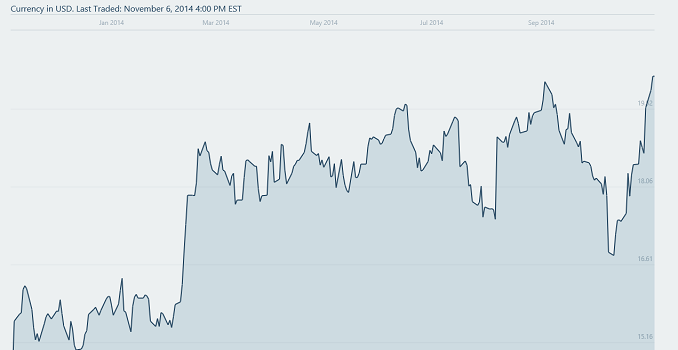
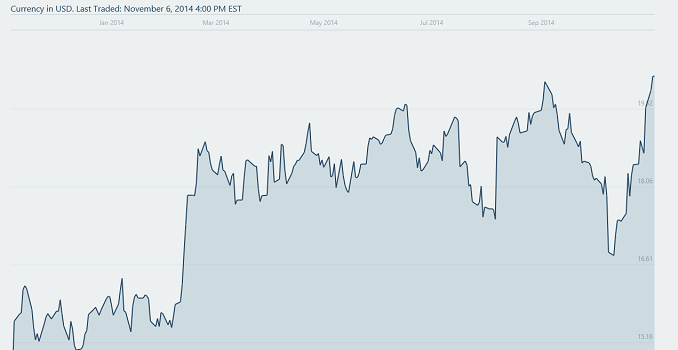
Zalman is a child company of the robotics manufacturer Moneual. According to The Korea Times, Moneual failed to repay their (massive) export bonds that matured on October 20, 2014, and ultimately filed for bankruptcy. Ever since that incident, Zalman’s stock price also began a quick downfall. However, the numbers just do not add up – Moneual has been repeatedly reporting major profits, with their 2013 annual report being nearly 1.2 billion dollars in sales and over 100 million dollars in profit. The local authorities naturally became very suspicious and initiated investigations, the preliminary reports of which indicate that there is evidence of a well-designed corporate fraud.

Long story short, Moneual allegedly acquired Zalman in 2011 as part of their master plan. They forged Zalman’s export and accounting documents, greatly overstating their export and income reports, in order to become eligible for huge bank loans. What is even more interesting is an article posted by the Korea JoongAng Daily, where an employee claims that most of the employees knew that the company was a sham but, despite the unearthly profit reports of the past few years, no government officials raised an eyebrow.

During that time, Moneual received about 620 million dollars in loans from several Korean banks and another 275 million dollars as export credit from the Korea Trade Insurance Corp, making the owners of Moneual richer by nearly 900 million dollars, money that will likely never be repaid. They have been arrested and, alongside many top- and mid-level executives of the company, are now facing prison time. Unfortunately, the architects of this fraud may not receive what punishment they deserve; the CEO of Moneual has U.S. citizenship and his brother has Canadian, and there’s some concerns that Korean law could face trouble prosecuting them.

Unfortunately, we have little confirmed information on the matter but, from the looks of it, no one from Zalman was involved in this fraud. Depending on the court’s decision, there is the possibility that Zalman will be granted bankruptcy protection and severed from Moneual’s control. However, even if that happens, Zalman will certainly not have the capabilities they used to and will most certainly struggle to compete on a global scale.