News


Amazon Announces the Fire TV Stick

Amazon Announces the Fire TV Stick

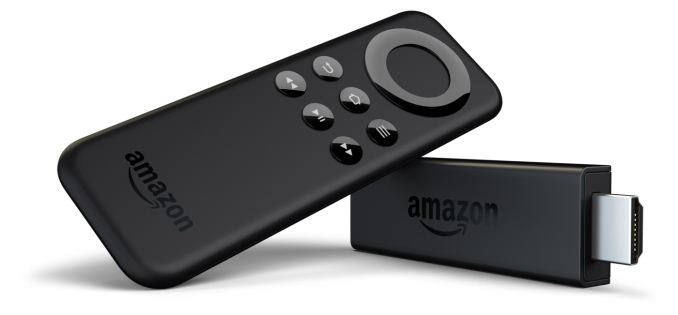
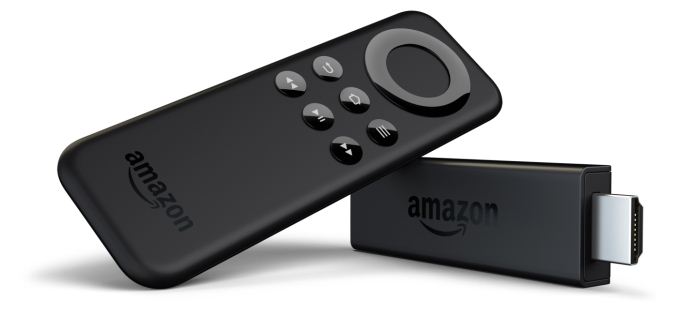
Today Amazon has announced their foray into the market for small HDMI streaming dongles. The Fire TV Stick competes with Google’s Chromecast, the Roku Streaming Stick, and the Microsoft Wireless Display Adapter. Amazon notes in their advertising that the Fire TV Stick has more powerful hardward and faster WiFi than the Google Chromecast. I’m not quite sure how effective this will be at swaying buyers, as I would imagine many buyers don’t care about the hardware inside of their HDMI streaming stick as long as it can stream their 1080p content. I’ve put Amazon’s comparison image between the different streaming sticks below. Notably missing is the Microsoft Wireless Display Adapter

The real appeal of the Fire TV Stick is for buyers in Amazon’s ecosystem. The Fire TV Stick supports popular streaming services like Netflix and Hulu, and includes expected features like streaming content from mobile devices. On top of all that, it includes the wealth of content available for Amazon Prime subscribers. Anyone who wants to try out Amazon Prime will receive a 30 day trial along with their Fire TV Stick.

At $39 the Fire TV Stick essentially matches the Chromecast on price and provides Amazon users a good alternative to other HDMI sticks. Amazon is also running a promotion for today and tomorrow that allows current Amazon Prime subscribers to purchase the Fire TV Stick for only $19. At less than $20, I can expect many prime users may purchase one simply to try it out.

Amazon Announces the Fire TV Stick

Amazon Announces the Fire TV Stick

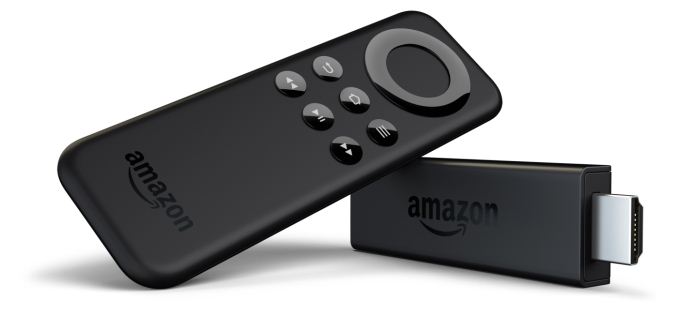
Today Amazon has announced their foray into the market for small HDMI streaming dongles. The Fire TV Stick competes with Google’s Chromecast, the Roku Streaming Stick, and the Microsoft Wireless Display Adapter. Amazon notes in their advertising that the Fire TV Stick has more powerful hardward and faster WiFi than the Google Chromecast. I’m not quite sure how effective this will be at swaying buyers, as I would imagine many buyers don’t care about the hardware inside of their HDMI streaming stick as long as it can stream their 1080p content. I’ve put Amazon’s comparison image between the different streaming sticks below. Notably missing is the Microsoft Wireless Display Adapter

The real appeal of the Fire TV Stick is for buyers in Amazon’s ecosystem. The Fire TV Stick supports popular streaming services like Netflix and Hulu, and includes expected features like streaming content from mobile devices. On top of all that, it includes the wealth of content available for Amazon Prime subscribers. Anyone who wants to try out Amazon Prime will receive a 30 day trial along with their Fire TV Stick.

At $39 the Fire TV Stick essentially matches the Chromecast on price and provides Amazon users a good alternative to other HDMI sticks. Amazon is also running a promotion for today and tomorrow that allows current Amazon Prime subscribers to purchase the Fire TV Stick for only $19. At less than $20, I can expect many prime users may purchase one simply to try it out.

A Look At OS X Yosemite And iOS 8.1

It has been a busy year for Apple, although one could argue it has been more of a busy few months. The yearly updates for most of Apple’s products now occur in September and October, and as a result we’ve seen the release of a number of new products and services in a very short period of time. On the hardware side we have the new iPhone 6 and 6 Plus, the iPad Air 2 and Mini 3, the iMac with Retina 5K display, and a preview of the upcoming Apple Watch. The software side has arguably been even more exciting with the release of iOS 8 and its first major update iOS 8.1, OS X Yosemite, and Apple Pay. 

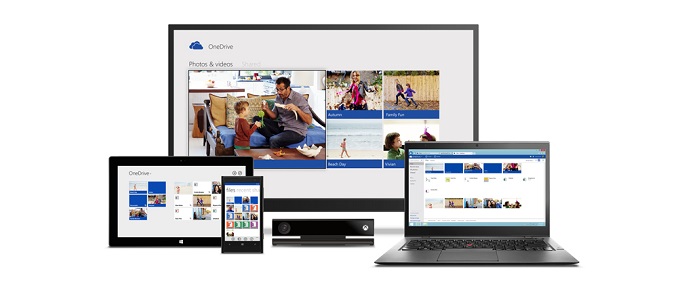
The theme this year appears to be integration and the power of a software and hardware ecosystem. Apple has always had some level of integration between iOS and OS X. As time went on, both operating systems began to share a core set of applications like Reminders, Calendar, and Notes. The iPad extended this even further by bringing the iWork and iLife suites to mobile. iCloud also played a key role in integrating both systems, by synchronizing documents and photos between all of a user’s devices. However, the launch of iOS 7 with its visual and functional enhancements left many of the shared features and applications on OS X feeling left behind. Read on for a look at how Apple has brought OS X up to speed, and integrated both of their operating systems together.

A Look At OS X Yosemite And iOS 8.1

It has been a busy year for Apple, although one could argue it has been more of a busy few months. The yearly updates for most of Apple’s products now occur in September and October, and as a result we’ve seen the release of a number of new products and services in a very short period of time. On the hardware side we have the new iPhone 6 and 6 Plus, the iPad Air 2 and Mini 3, the iMac with Retina 5K display, and a preview of the upcoming Apple Watch. The software side has arguably been even more exciting with the release of iOS 8 and its first major update iOS 8.1, OS X Yosemite, and Apple Pay. 

The theme this year appears to be integration and the power of a software and hardware ecosystem. Apple has always had some level of integration between iOS and OS X. As time went on, both operating systems began to share a core set of applications like Reminders, Calendar, and Notes. The iPad extended this even further by bringing the iWork and iLife suites to mobile. iCloud also played a key role in integrating both systems, by synchronizing documents and photos between all of a user’s devices. However, the launch of iOS 7 with its visual and functional enhancements left many of the shared features and applications on OS X feeling left behind. Read on for a look at how Apple has brought OS X up to speed, and integrated both of their operating systems together.