News


First Look: Samsung Galaxy S8

First Look: Samsung Galaxy S8

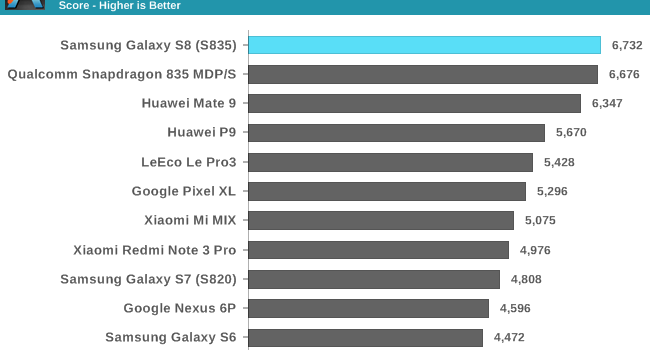
We first saw Samsung’s new 5.8-inch Galaxy S8 and 6.2-inch Galaxy S8+ at its Unpacked event a few weeks ago. During the event, we saw demos of its new virtual assistant, Bixby, and its DeX docking station, which allows the Galaxy S8 to provide a…

Toshiba Launches N300 HDDs for NAS: Up to 8 TB, Up to 240 MB/s

Toshiba Launches N300 HDDs for NAS: Up to 8 TB, Up to 240 MB/s

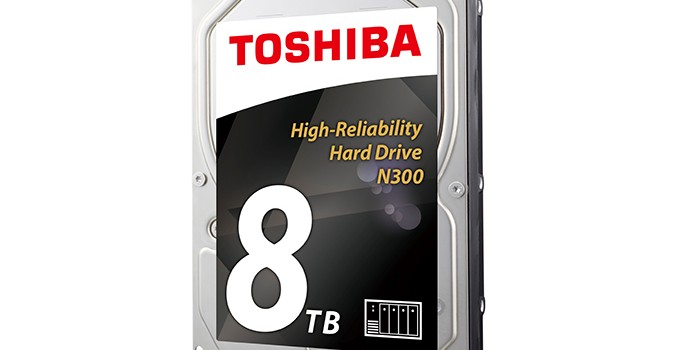
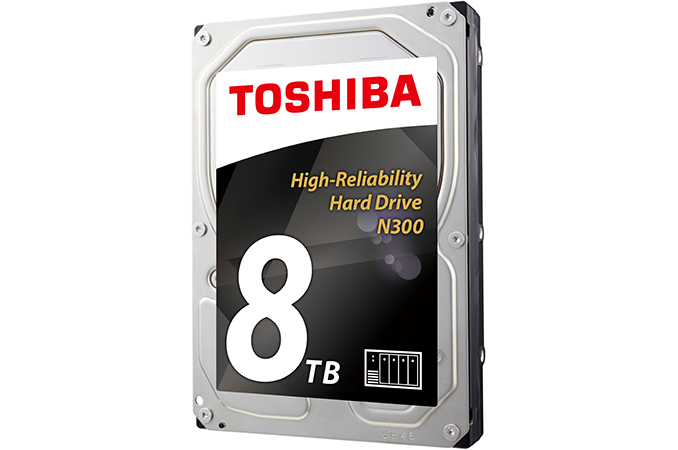
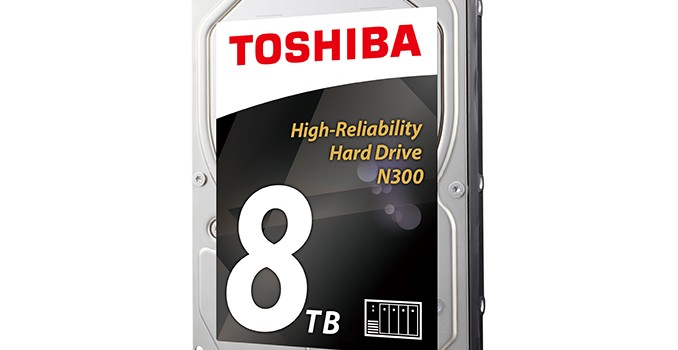
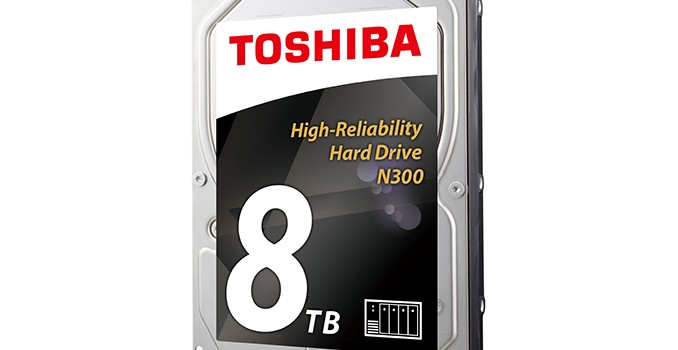
Toshiba this week launched its new lineup of high-reliability hard drives for NAS units. The drives offer up to 8 TB of capacity and are based on enterprise-grade platforms. According to Toshiba’s specifications, these and are among the highest-performing 3.5” HDDs on the planet.

The Toshiba N300 family of hard drives consists of three models with 4 TB, 6 TB and 8 TB capacities, a SATA 6 Gb/s interface, a 7200 RPM spindle speed and a 128 MB buffer. All three HDDs are based on a high-reliability platform that attaches a spindle to both sides of a drive (to curb system-induced vibration), has rotational vibration (RV) sensors, shock sensors and temperature sensors as well as supporting error recovery features. The new HDDs are designed for 24/7 availability, 1 million hours MTBF and have a 180 TB/year workload rating, which is in line with other hard drives for NAS devices with 8 bays and is considerably higher than the workload rating of typical desktop HDDs.

Toshiba’s N300 HDDs resemble the company’s MN05-series drives introduced in February (which are also designed for enterprise-class NASes) and are likely based on the same PMR platters (perpendicular magnetic recording) with up to 1.33 TB capacity per platter (the 8 TB version features six of such discs). In addition to the same platters, the N300 drives also have the same power consumption as the MN05 HDDs, but offer slightly different performance, according to the specifications.

Toshiba N300-Series HDDs
  HDWN180XZSTA HDWN160XZSTA HDWQ140XZSTA
Capacity 8 TB 6 TB 4 TB
RPM 7200 RPM
Interface SATA 6 Gbps
DRAM Cache 128 MB
Data Transfer Speed
(Sustained)
240 MB/s 210 MB/s 200 MB/s
MTBF 1 million hours
Rated Annual Workload (read and write) 180 TB/year
Acoustics (Seek) 35 dB 34 dB
Power Operating 9.2 W 10.1 W 9.6 W
Active Idle 6.2 W 6.7 W 5.2 W
Warranty 3 years

As for performance, Toshiba claims up to a 240 MB/s sustained data transfer rate as well as a 4.17 ms average latency time for the N300 8 TB model, which is slower compared to the MN05 8 TB. Meanwhile, since the 6 TB and 4 TB N300 HDDs use different platters, their performance is a bit lower (due to the lower areal density).

Toshiba is already shipping its N300 HDDs to partners and the drives are expected to be available in stores this month. Exact prices will depend on the retailer, but keep in mind that although the N300 are aimed at consumers, they are based on advanced platforms and support numerous enterprise-grade features.

Related Reading:

Toshiba Launches N300 HDDs for NAS: Up to 8 TB, Up to 240 MB/s

Toshiba Launches N300 HDDs for NAS: Up to 8 TB, Up to 240 MB/s

Toshiba this week launched its new lineup of high-reliability hard drives for NAS units. The drives offer up to 8 TB of capacity and are based on enterprise-grade platforms. According to Toshiba’s specifications, these and are among the highest-performing 3.5” HDDs on the planet.

The Toshiba N300 family of hard drives consists of three models with 4 TB, 6 TB and 8 TB capacities, a SATA 6 Gb/s interface, a 7200 RPM spindle speed and a 128 MB buffer. All three HDDs are based on a high-reliability platform that attaches a spindle to both sides of a drive (to curb system-induced vibration), has rotational vibration (RV) sensors, shock sensors and temperature sensors as well as supporting error recovery features. The new HDDs are designed for 24/7 availability, 1 million hours MTBF and have a 180 TB/year workload rating, which is in line with other hard drives for NAS devices with 8 bays and is considerably higher than the workload rating of typical desktop HDDs.

Toshiba’s N300 HDDs resemble the company’s MN05-series drives introduced in February (which are also designed for enterprise-class NASes) and are likely based on the same PMR platters (perpendicular magnetic recording) with up to 1.33 TB capacity per platter (the 8 TB version features six of such discs). In addition to the same platters, the N300 drives also have the same power consumption as the MN05 HDDs, but offer slightly different performance, according to the specifications.

Toshiba N300-Series HDDs
  HDWN180XZSTA HDWN160XZSTA HDWQ140XZSTA
Capacity 8 TB 6 TB 4 TB
RPM 7200 RPM
Interface SATA 6 Gbps
DRAM Cache 128 MB
Data Transfer Speed
(Sustained)
240 MB/s 210 MB/s 200 MB/s
MTBF 1 million hours
Rated Annual Workload (read and write) 180 TB/year
Acoustics (Seek) 35 dB 34 dB
Power Operating 9.2 W 10.1 W 9.6 W
Active Idle 6.2 W 6.7 W 5.2 W
Warranty 3 years

As for performance, Toshiba claims up to a 240 MB/s sustained data transfer rate as well as a 4.17 ms average latency time for the N300 8 TB model, which is slower compared to the MN05 8 TB. Meanwhile, since the 6 TB and 4 TB N300 HDDs use different platters, their performance is a bit lower (due to the lower areal density).

Toshiba is already shipping its N300 HDDs to partners and the drives are expected to be available in stores this month. Exact prices will depend on the retailer, but keep in mind that although the N300 are aimed at consumers, they are based on advanced platforms and support numerous enterprise-grade features.

Related Reading:

Toshiba Launches N300 HDDs for NAS: Up to 8 TB, Up to 240 MB/s

Toshiba Launches N300 HDDs for NAS: Up to 8 TB, Up to 240 MB/s

Toshiba this week launched its new lineup of high-reliability hard drives for NAS units. The drives offer up to 8 TB of capacity and are based on enterprise-grade platforms. According to Toshiba’s specifications, these and are among the highest-performing 3.5” HDDs on the planet.

The Toshiba N300 family of hard drives consists of three models with 4 TB, 6 TB and 8 TB capacities, a SATA 6 Gb/s interface, a 7200 RPM spindle speed and a 128 MB buffer. All three HDDs are based on a high-reliability platform that attaches a spindle to both sides of a drive (to curb system-induced vibration), has rotational vibration (RV) sensors, shock sensors and temperature sensors as well as supporting error recovery features. The new HDDs are designed for 24/7 availability, 1 million hours MTBF and have a 180 TB/year workload rating, which is in line with other hard drives for NAS devices with 8 bays and is considerably higher than the workload rating of typical desktop HDDs.

Toshiba’s N300 HDDs resemble the company’s MN05-series drives introduced in February (which are also designed for enterprise-class NASes) and are likely based on the same PMR platters (perpendicular magnetic recording) with up to 1.33 TB capacity per platter (the 8 TB version features six of such discs). In addition to the same platters, the N300 drives also have the same power consumption as the MN05 HDDs, but offer slightly different performance, according to the specifications.

Toshiba N300-Series HDDs
  HDWN180XZSTA HDWN160XZSTA HDWQ140XZSTA
Capacity 8 TB 6 TB 4 TB
RPM 7200 RPM
Interface SATA 6 Gbps
DRAM Cache 128 MB
Data Transfer Speed
(Sustained)
240 MB/s 210 MB/s 200 MB/s
MTBF 1 million hours
Rated Annual Workload (read and write) 180 TB/year
Acoustics (Seek) 35 dB 34 dB
Power Operating 9.2 W 10.1 W 9.6 W
Active Idle 6.2 W 6.7 W 5.2 W
Warranty 3 years

As for performance, Toshiba claims up to a 240 MB/s sustained data transfer rate as well as a 4.17 ms average latency time for the N300 8 TB model, which is slower compared to the MN05 8 TB. Meanwhile, since the 6 TB and 4 TB N300 HDDs use different platters, their performance is a bit lower (due to the lower areal density).

Toshiba is already shipping its N300 HDDs to partners and the drives are expected to be available in stores this month. Exact prices will depend on the retailer, but keep in mind that although the N300 are aimed at consumers, they are based on advanced platforms and support numerous enterprise-grade features.

Related Reading:

Dell Announces UP2718Q HDR Display, And Two InfinityEdge Displays

Dell Announces UP2718Q HDR Display, And Two InfinityEdge Displays

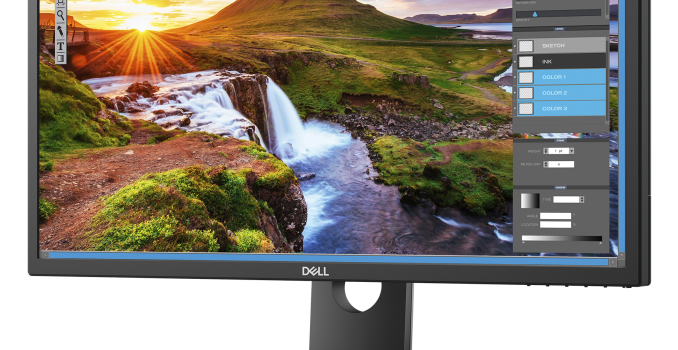
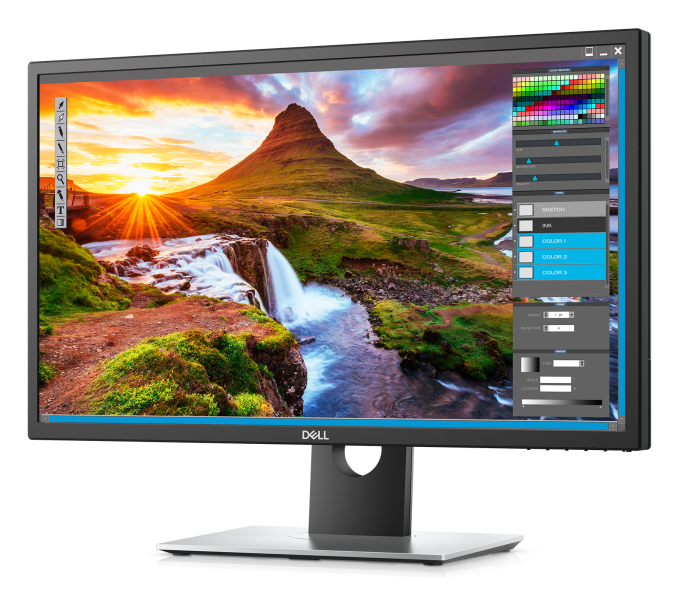
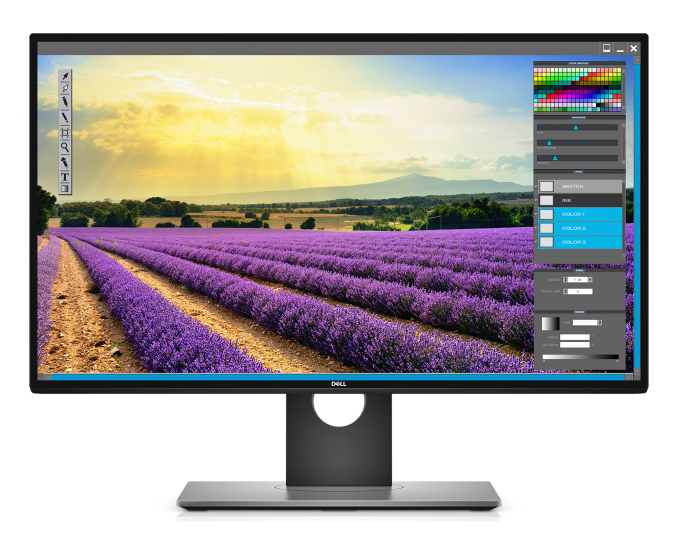
Right now, the National Association of Broadcasters conference is on, and Dell is using it to launch their latest UltraSharp display. The Dell UltraSharp UP2718Q is the company’s first display to support HDR10, in addition to its UHD 3840×2160 resolution, and it’s backed by the UHD Alliance Premium Certification.

Dell has been in the UHD display game for some time, and the UltraSharp P2715Q and P2415Q have been solid displays for the company for some time, but the latest model takes Dell to a new level. The UP2718Q offers a very wide color gamut, supporting up to 97.7% of DCI-P3 (76.9% Rec 2020), and each display comes factory calibrated. The monitor has an adjustable internal lookup-table as well, so it should be able to be further tuned accurately if necessary.

HDR, or High Dynamic Range, requires much brighter backlighting than is typical in a desktop display, and the UP2718Q is stated to hit up to 1000 nits, and while not listed in Dell’s brief press release, this is very likely being driven by full-array backlighting.

This display is targeted directly at professionals, and it has a price tag to go along with that, with availability scheduled for May 23 at $1999.99.

Dell UltraSharp U2718Q

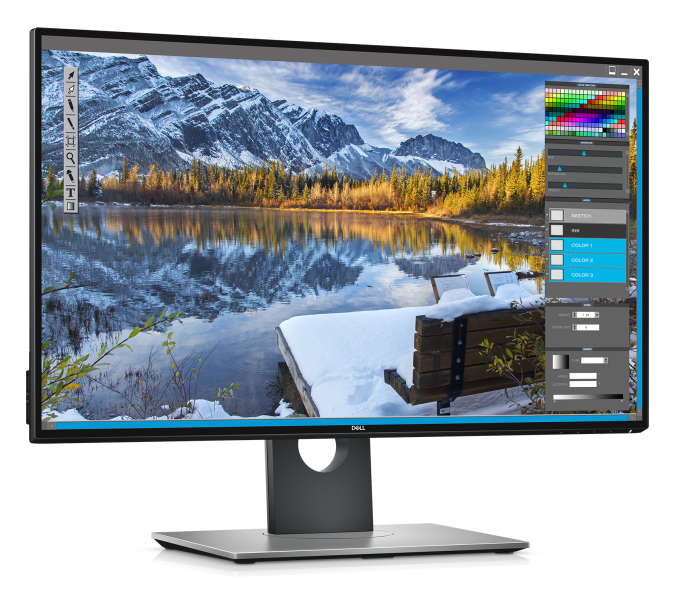
Dell is also launching a couple of other UltraSharp displays, featuring InfinityEdge displays. The U2718Q is a 27-inch UHD model, and the U2518D is a 25-inch model that’s a lower resolution that’s not specified. These are targeted more at the consumer, and won’t support HDR or the wide gamuts. Dell didn’t announce a lot of details on these, but expect sRGB coverage only. The lower feature set drives the price down quite a bit though, with the U2718Q set to be available in July for $699.99, and the U2518D in the same time frame for $499.99.

Dell UltraSharp U2518D

Dell certainly isn’t alone in the HDR Professional display market, with ASUS and LG both announcing UHD HDR displays recently as well, but Dell has a substantial presence in the enterprise which will likely help them here.

Source: Dell