News


Synaptics at CES 2017: Advanced Touch and DDIC

Synaptics at CES 2017: Advanced Touch and DDIC

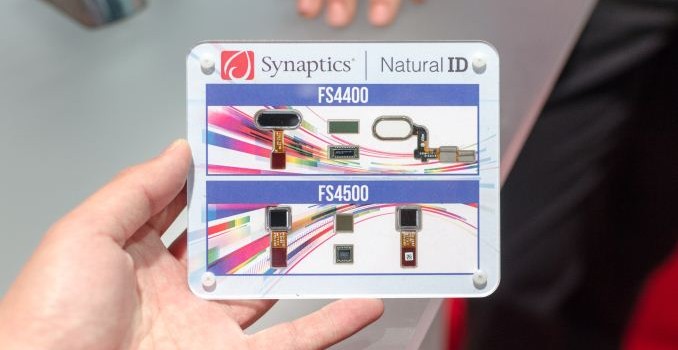
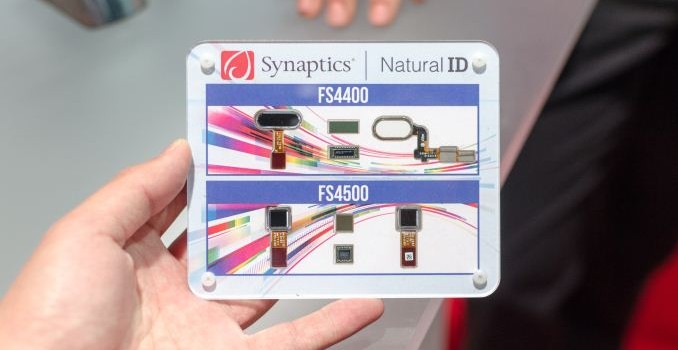
To some extent, Synaptics is not nearly as visible to consumers as a company like Intel or Qualcomm, but their role in touch interfaces and display driver ICs is a critical part of the user experience. A touchscreen with low processing latency, truly …

The AnandTech Podcast, Episode 40: CES 2017

The AnandTech Podcast, Episode 40: CES 2017

The annual CES show is always a mélange of announcements and sneak peeks for what is to come through the year. At the show we had most of our regular editors on foot, meeting with manufacturers to find out what exactly is going on under the hood. Despite some technical hiccups trying to record the podcast on site, I was able to track down some of our editors for a short burst into their main highlights from CES and thoughts on the year ahead.


The AnandTech Podcast #40: CES 2017

Featuring

iTunes
RSS – mp3m4a
Direct Links – mp3m4a

Total Time:  1 hour, 48 minutes 26 seconds

Outline hh:mm:ss

00:00:00 Start
00:00:48 Intel Kaby Lake
00:05:53 200-Series Motherboards and Onboard Controllers
00:14:52 Mentioning the Core i3-7350K
00:17:22 ASUS Pro B9440
00:19:56 Enter Ryan Smith, Editor-in-Chief
00:20:03 NVIDIA’s Self-Driving Demo
00:30:03 ASUS PG27UQ
00:38:30 Razer’s Project Valerie
00:49:16 Discussing the value of a tech showcase
00:53:36 Enter Anton Shilov, AnandTech News Editor
00:54:27 Dell goes 8K with the UP3218K
01:01:15 ASUS ProArt PA32U
01:05:14 ASUS Mini-PC
01:10:22 GIGABYTE Gaming GT PC
01:14:04 Corsair Bulldog 2.0
01:17:06 Enter Matt Humrick, Senior Smartphone Editor
01:17:28 Qualcomm Snapdragon 835
01:23:47 Windows coming to Snapdragon 835
01:25:05 Back to S835
01:30:33 Huawei Mate 9 Coming to the US
01:31:36 Honor 6X Launched
01:38:38 ASUS Zenfone 3 Zoom and Zenfone AR
01:48:26 FIN

Related Reading

Intel Launches 7th Generation Kaby Lake
The Intel Core i7-7700K (91W) Review
The Intel Core i5-7600K (91W) Review
Aquantia Multi-Gigabit AQC107 / AQC108 Ethernet NICs
Rivet Network’s Killer E2500 NIC
ASUS PRO B9440: Ultra-Thin Laptop with 10hr Battery for $999

ASUS Demonstrates ROG Swift PG27UQ: 4K, 144 Hz, HDR, DCI-P3 and G-Sync
Razer Reveals Their Triple Monitor Gaming Laptop Concept: Project Valerie

Dell Announces UP3218K: Its First 8K Display, Due in March
ASUS ProArt PA32U Display
ASUS VivoPC X: Core i5, GeForce GTX 1060, 512 GB SSD, 5-Liter Chassis, $799
GIGABYTE’s New Console: The ‘Gaming GT’ PC Launched with Core i7-K, GTX1080, TB3
Corsair’s Bulldog 2.0 Gets Kaby Lake

Qualcomm Details Snapdragon 835: Kryo 280 CPU, Adreno 540 GPU, X16 LTE
Microsoft and Qualcomm Collaborate to Bring Windows 10 & x86 Emulation to Snapdragon Processors
Hands On With the Huawei Honor 6X
ASUS Announces ZenFone AR and ZenFone 3 Zoom

Synaptics at CES 2017: Advanced Touch and DDIC

Synaptics at CES 2017: Advanced Touch and DDIC

To some extent, Synaptics is not nearly as visible to consumers as a company like Intel or Qualcomm, but their role in touch interfaces and display driver ICs is a critical part of the user experience. A touchscreen with low processing latency, truly …

The AnandTech Podcast, Episode 40: CES 2017

The AnandTech Podcast, Episode 40: CES 2017

The annual CES show is always a mélange of announcements and sneak peeks for what is to come through the year. At the show we had most of our regular editors on foot, meeting with manufacturers to find out what exactly is going on under the hood. Despite some technical hiccups trying to record the podcast on site, I was able to track down some of our editors for a short burst into their main highlights from CES and thoughts on the year ahead.


The AnandTech Podcast #40: CES 2017

Featuring

iTunes
RSS – mp3m4a
Direct Links – mp3m4a

Total Time:  1 hour, 48 minutes 26 seconds

Outline hh:mm:ss

00:00:00 Start
00:00:48 Intel Kaby Lake
00:05:53 200-Series Motherboards and Onboard Controllers
00:14:52 Mentioning the Core i3-7350K
00:17:22 ASUS Pro B9440
00:19:56 Enter Ryan Smith, Editor-in-Chief
00:20:03 NVIDIA’s Self-Driving Demo
00:30:03 ASUS PG27UQ
00:38:30 Razer’s Project Valerie
00:49:16 Discussing the value of a tech showcase
00:53:36 Enter Anton Shilov, AnandTech News Editor
00:54:27 Dell goes 8K with the UP3218K
01:01:15 ASUS ProArt PA32U
01:05:14 ASUS Mini-PC
01:10:22 GIGABYTE Gaming GT PC
01:14:04 Corsair Bulldog 2.0
01:17:06 Enter Matt Humrick, Senior Smartphone Editor
01:17:28 Qualcomm Snapdragon 835
01:23:47 Windows coming to Snapdragon 835
01:25:05 Back to S835
01:30:33 Huawei Mate 9 Coming to the US
01:31:36 Honor 6X Launched
01:38:38 ASUS Zenfone 3 Zoom and Zenfone AR
01:48:26 FIN

Related Reading

Intel Launches 7th Generation Kaby Lake
The Intel Core i7-7700K (91W) Review
The Intel Core i5-7600K (91W) Review
Aquantia Multi-Gigabit AQC107 / AQC108 Ethernet NICs
Rivet Network’s Killer E2500 NIC
ASUS PRO B9440: Ultra-Thin Laptop with 10hr Battery for $999

ASUS Demonstrates ROG Swift PG27UQ: 4K, 144 Hz, HDR, DCI-P3 and G-Sync
Razer Reveals Their Triple Monitor Gaming Laptop Concept: Project Valerie

Dell Announces UP3218K: Its First 8K Display, Due in March
ASUS ProArt PA32U Display
ASUS VivoPC X: Core i5, GeForce GTX 1060, 512 GB SSD, 5-Liter Chassis, $799
GIGABYTE’s New Console: The ‘Gaming GT’ PC Launched with Core i7-K, GTX1080, TB3
Corsair’s Bulldog 2.0 Gets Kaby Lake

Qualcomm Details Snapdragon 835: Kryo 280 CPU, Adreno 540 GPU, X16 LTE
Microsoft and Qualcomm Collaborate to Bring Windows 10 & x86 Emulation to Snapdragon Processors
Hands On With the Huawei Honor 6X
ASUS Announces ZenFone AR and ZenFone 3 Zoom

Mushkin Launches Reactor Armor 3D and Triactor 3D 2TB SATA SSDs: 3D NAND, SM2258

Mushkin Launches Reactor Armor 3D and Triactor 3D 2TB SATA SSDs: 3D NAND, SM2258

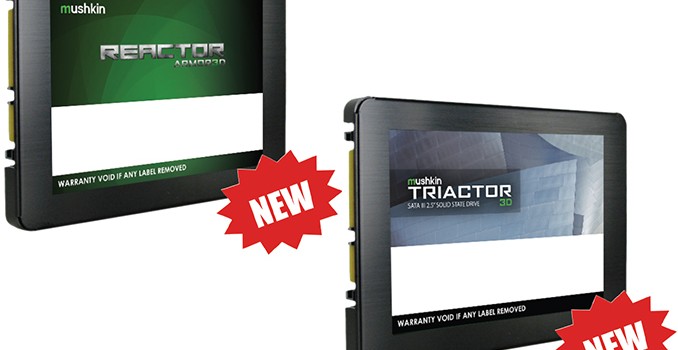
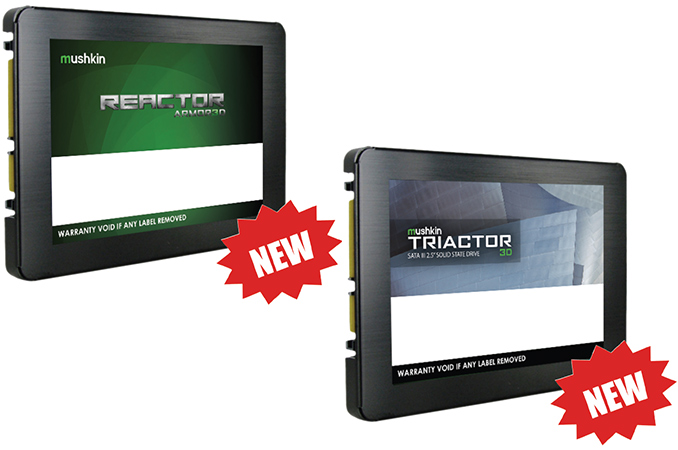
Mushkin at CES demonstrated its new SSDs in 2.5”/7 mm form-factor aimed at mainstream PCs with a SATA interface. The new Reactor Armor 3D and Triactor 3D use 3D NAND flash memory, the same controller from Silicon Motion and offer nearly similar performance. The main difference is that the former use 3D MLC, whereas the latter uses 3D TLC memory.

The NAND flash industry is transitioning to various 3D NAND architectures that enable higher densities, lower per-bit costs and higher endurance compared to planar flash made using very thin process technologies. So far it has not been easy for independent makers of drives to secure a supply of 3D NAND memory because some manufacturers are cutting down the share of produced flash they sell on the open market, whereas 3D NAND from others does not suit SSDs well. In the recent months ADATA was the only independent supplier of drives to offer 3D NAND-based drives, but as we observed at CES, the situation is about to change. Mushkin is another company to announce a lineup of SSDs featuring 3D NAND and targeting different market segments, from entry-level to the high-end. Unlike ADATA, Mushkin is announcing all of its 3D NAND SSDs at once, which implies that the company can get enough chips for different kinds of drives.

Mushkin’s Reactor Armor 3D and Triactor 3D SSDs are based on Silicon Motion’s SM2258 controller, but while the former uses 3D MLC NAND, the latter uses 3D TLC NAND from an undisclosed manufacturer. The SM2258 controller has four NAND flash channels, LDPC ECC technology, a SATA interface, a DRAM buffer support as well as pseudo-SLC (pSLC) caching in order to maximize SSD performance. At present, the SM2258 is virtually the only market-ready third-party SSD controller with that supports 3D NAND (technically speaking, the SM2256 also supports 3D NAND, but drive makers prefer the more advanced controller so to address the higher end of the SSD spectrum), so Mushkin’ s choice is not surprising if the company needs rapid time-to-market (which is also why it does not wait for Phison’s PS5008-E8). What is even more interesting is that Mushkin is considering to add 3D NAND-based drives to the Reactor lineup that uses the SM2246EN controller (this one is qualified for 3D MLC as well). It does not look like the company has made any final decisions, but it is considering such possibility in a bid to continue addressing the entry-level segment with the Reactor lineup.

Mushkin does not disclose the name of its 3D NAND flash supplier, but we have a reason to believe that this is Micron. SanDisk and Toshiba are shipping their 64-layer BiCS NAND inside their removable media products and promise to use this memory for their SSDs. But as of now, 64-layer BiCS chips have not been qualified for SSDs. 3D NAND from SK Hynix is also available for various products, but it has not been qualified for SSDs just yet.
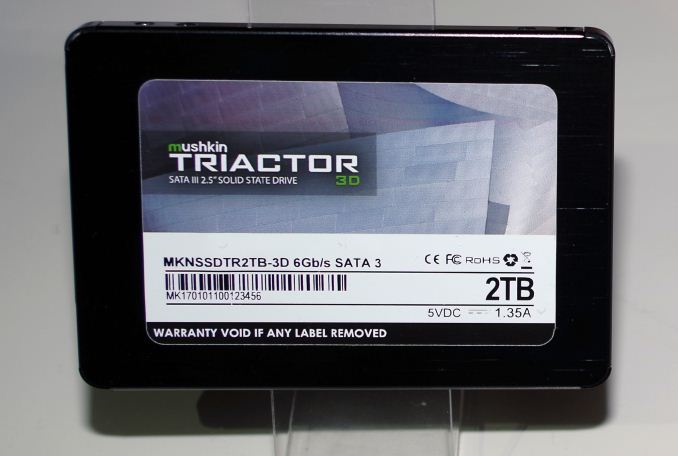
The Reactor Armor 3D SSDs will be available in 240 GB to 1920 GB configurations, whereas the Triactor 3D drives will feature 256 GB to 2 TB capacities. The former family will take advantage of MLC and offer slightly better endurance albeit at a higher price, whereas the latter lineup will be more aggressively priced thanks to cheaper memory. At the same time, it is noteworthy that both product lines include high-capacity (~ 2 TB) drives, an indicator that they target customers who need a lot of non-volatile memory and can pay for that.

As for performance, Mushkin rates sequential read speed of both Reactor Armor 3D and Triactor 3D drives at 565 MB/s, whereas sequential write speed is rated at up to 525 MB/s and 520 MB/s (when pseudo-SLC caching is used) respectively. Random performance of the drives is specified at up to 90,000 read IOPS and up to 85,000 write IOPS.

Mushkin’s Reactor Armor 3D and Triactor 3D SSDs
Capacity Reactor Armor 3D Triactor 3D
Capacities 240 GB – 1920 GB 256 GB – 2 TB
Controller Silicon Motion SM2258
NAND Flash 3D MLC NAND 3D TLC NAND
Sequential Read Up to 560 MB/s
Sequential Write Up to 525 MB/s Up to 520 MB/s
Random Read IOPS Up to 90K IOPS
Random Write IOPS Up to 85K IOPS
Pseudo-SLC Caching Supported
DRAM Buffer Yes, capacity unknown
TCG Opal Encryption No
Power Management DevSleep
Warranty 3 years
MTBF 1,500,000 hours

Mushkin did not announce MSRPs or ETAs for its new Reactor Armor 3D and Triactor 3D drives, but said that they will be covered by its three-year warranty.

Related Reading: