News


Lattice and MediaTek to Collaborate On Reference Smartphones For SuperMHL over USB-C

Lattice and MediaTek to Collaborate On Reference Smartphones For SuperMHL over USB-C

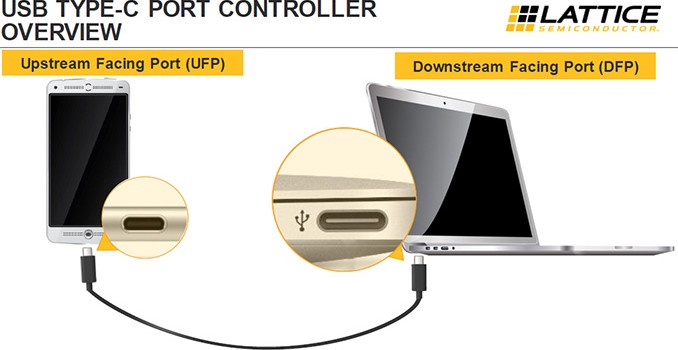
Lattice Semiconductor and MediaTek have joined forces to create reference smartphones with 4K video outputs using USB Type-C connectors and cables. The outputs will use the superMHL technology and will thus be compatible with various other superMHL devices such as TVs. The companies have already built a reference phone that supports a superMHL output over USB-C using previously announced chips from Lattice and hope that makers of smartphones will embrace the solution.

The USB Type-C technology and connectors are rapidly gaining traction across many industries. A number of modern notebooks, mobile devices and even desktops come with USB type-C ports. A good thing about USB-C is that it can be used to transfer alt mode data using a variety of protocols, including DisplayPort, Thunderbolt 3 and superMHL. Lattice (which acquired Silicon Image, a major developer of the MHL technology, about a year ago) clearly wants to capitalize on its expertise in the field of MHL and USB technologies by offering a reference implementation of single-lane superMHL over USB-C cables and connectors.

The simplified single-lane implementation of the superMHL used here for phones supports transmission of video in 4K (3840×2160) resolution with 30 fps over USB-C or even traditional MHL cables.

USB Type-C Alt Mode Display Standard Comparison
  superMHL DisplayPort 1.3
Resoluion 4Kp30, 4:4:4 @ 24bit 4Kp60, 4:4:4 @ 24bit
Type-C Lanes Required 1 2
Image Compression “Visually Lossless” (Lossy) No Compression
TV Interface superMHL-over-HDMI (Passive)
HDMI (Active Conversion)
Power Charging USB-PD or MHL (legacy) USB-PD

The superMHL over USB-C reference implementation by Lattice and MediaTek involves the Helio X20 system-on-chip (two ARM Cortex-A72, four Cortex-A53 at 2 GHz, four Cortex-A53 at 1.4 GHz, ARM Mali T880 MP4 graphics core, dual-channel LPDDR3 memory controller), the Sil8348 MHL transmitter as well as the Sil7033 port controller (which sets up MHL alt mode on USB-C and supports power data objects, which are needed to charge the phone). The superMHL implementation by Lattice and MediaTek supports best of both technologies’ worlds: 10 Gbps USB 3.1 transfer rate, 4Kp60 video, power delivery (for up to 100W of power), ability to connect to TVs with MHL using appropriate adapters. What is notable is that thanks the to the Sil7033 chip, simultaneous MHL and USB 3.1 connectivity is also supported. Lattice also offers Sil7013 and the Sil9396 port controllers for docks and accessories to establish MHL alt mode and convert MHL to HDMI transmission respectively.

The creation of these reference devices is the latest salvo in the ongoing war Lattice is striking over the future of video out for mobile devices. MHL was decently common in previous generation devices, however with the switch to USB Type-C ports and the creation of alt modes, there is opportunity to start anew. Practically speaking, this is a war between superMHL and DisplayPort, which are the two major video out alt modes.

One thing that will be crucial for enablement of 4K outputs using USB-C interconnection are quality USB Type-C cables. It is not a secret that there are cheap USB 3.1 Type-C cables that do not work as advertised and simply lack conductors, which can be repurposed. Such cables will not be able to support 4K output using USB-C. Cheap USB type-C cables that do not comply with standards are an industry-wide problem. If today many people may simply not notice issues with them because they are only used for data transmission with USB 2.0 hosts, in the coming years the problem will get much worse.

Finally, Lattice and MediaTek did not reveal whether their UHD output over USB-C reference platform has so far been adopted by any makers of smartphones.  

VRScore: Crytek and Basemark Announce New Benchmark Release

VRScore: Crytek and Basemark Announce New Benchmark Release

Virtual Reality has definitely been playing the slow and steady race for a while now. Thankfully, with the approach of consumer VR headsets going on sale, more of us will be able to see the fruits of years of hard work. One very important aspect of any new consumer product is measuring its capability, and consequently the value. In the case of VR there are many pieces to the chain that can make or break the experience, so as a result Basemark and Crytek have taken that opportunity and teamed up to bring us VRScore, a new VR benchmark, which is being announced and made available to corporate customers today and to consumers later this year.

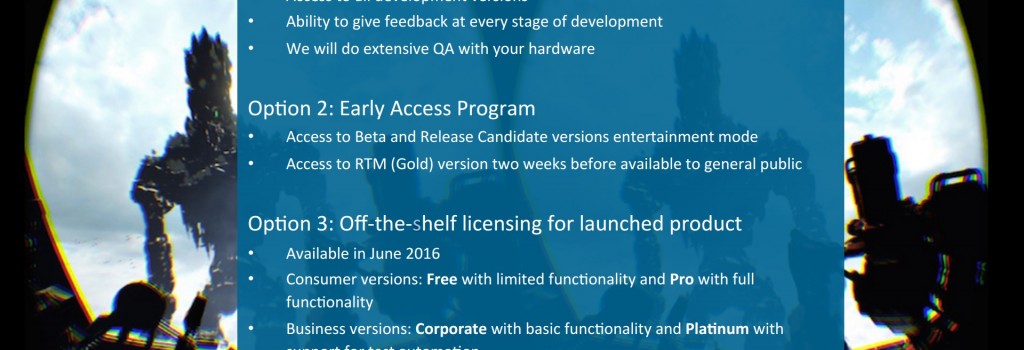
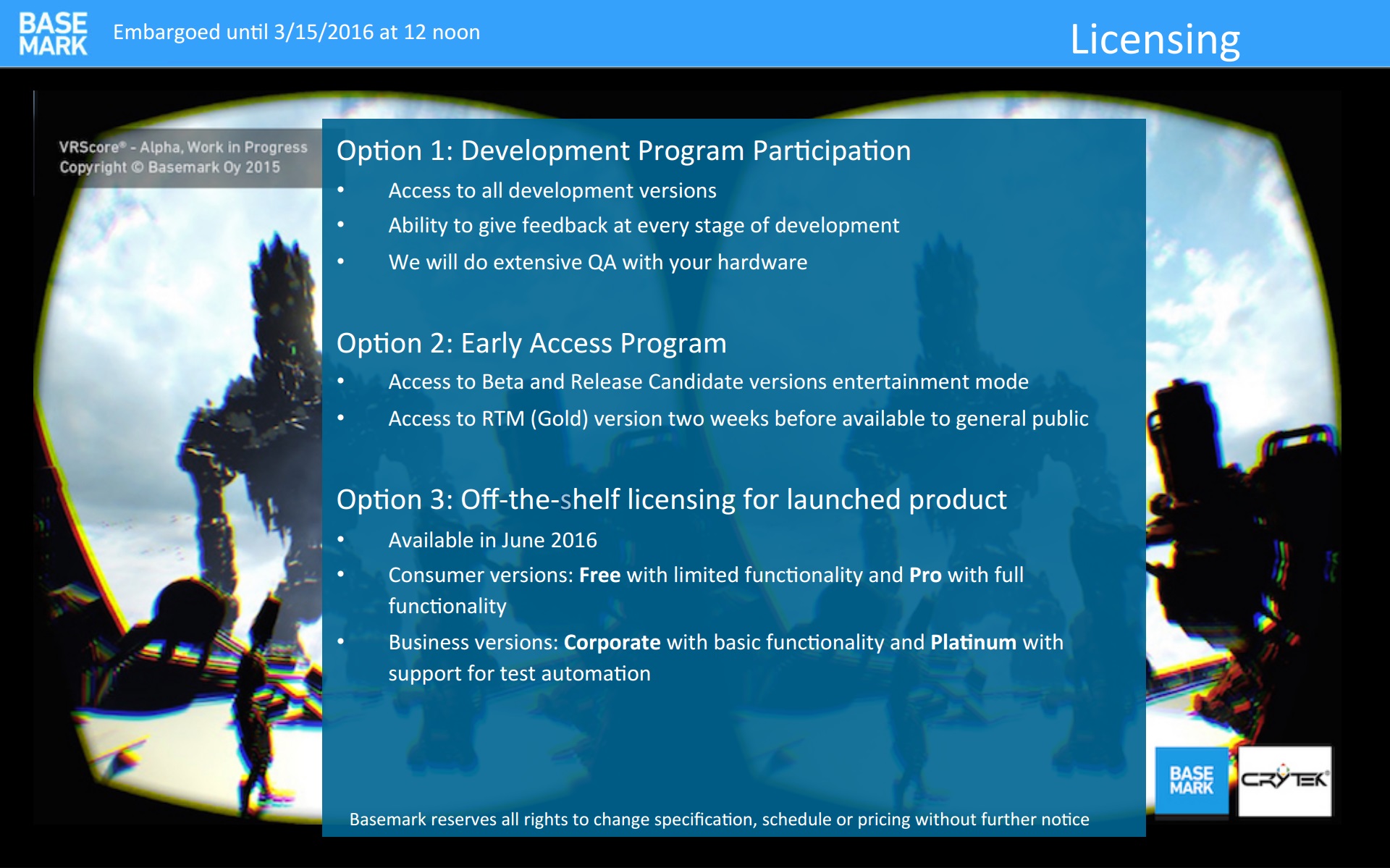
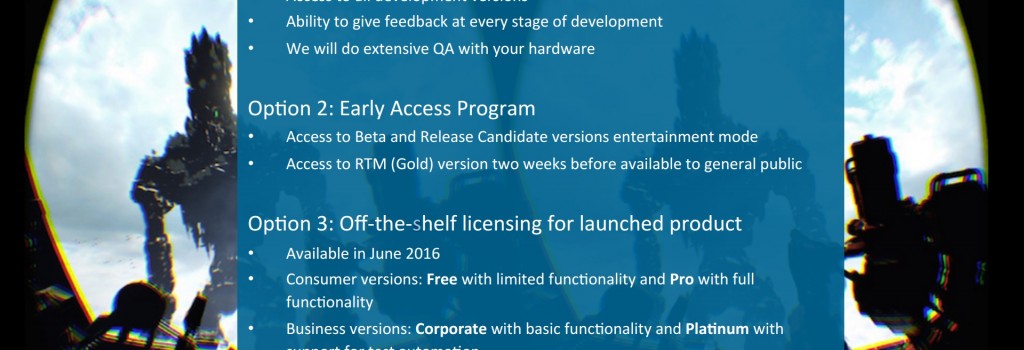
Basemark and Crytek are collaborating with the goal to create a benchmark that shows how ready consumers are for VR, and the potential that VR could achieve. On one side we have Basemark, who brings their benchmarking pedigree, and on the other side is Crytek who have been a reference point in the world of game engines for over a decade. Last year they began work together on the VRScore benchmark, with the goal being to produce a real world VR benchmark based on a game engine currently in use for production of AAA titles. After being in development for a few months, Basemark and Crytek are ready to announce today that their VRScore benchmark will be available immediately for corporate customers. Consumers will be able to get their hands on the benchmark this June in both a limited free version and a fully functional Pro Version.

With just over 3.5 years between us and the Kickstarter campaign for the Oculus Rift, we are finally on the cusp of enthusiast grade consumer VR coming to market. As has long been established, VR requires a high-resolution display running at a high refresh rate with low input latency. The VR chain can experience latency from the point the user gives input to the application processing that input, then from the application to output the data to the screen. In the mix is also the audio configuration, which by default needs to be positional and reactive. In the case of VR it just so happens that all of this is rolled into one package that isolates you from the outside world, so naturally any weak links in the chain quickly lead to a poor experience. For that reason, VR can require a particular care when preparing a system that will run a VR experience. In both the case of the HTC Vive and the Oculus Rift, the minimum requirements come out to what in today’s market is likely to be around an $800 custom build or more. More than a third of which will have to go into the GPU, which both systems have recommended a NVIDIA GTX 970, AMD R9 290, or better.

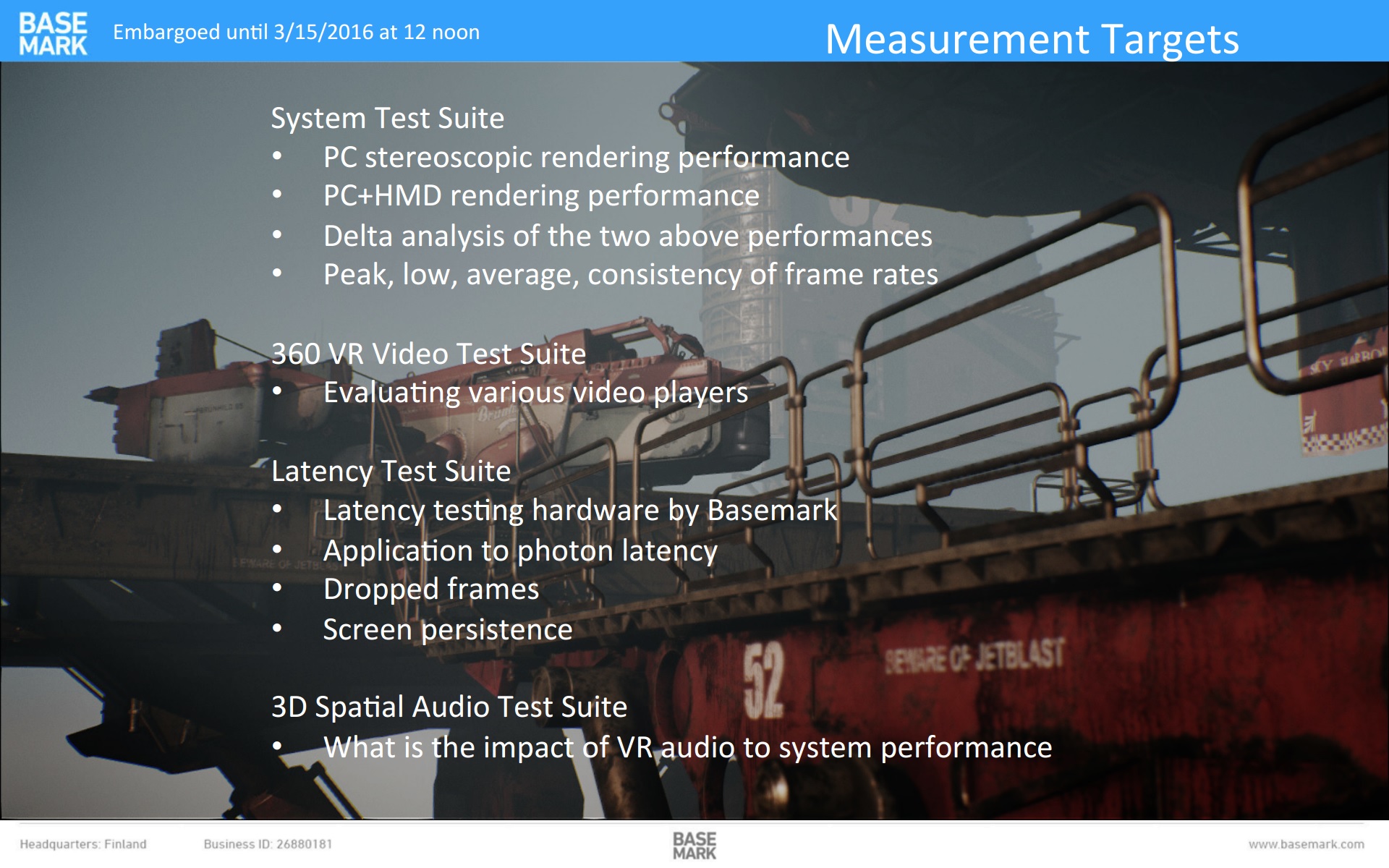
The VRScore benchmark supports all major VR headsets. Including the HTC Vive, the Oculus Rift and OSVR. By being built on CryEngine 3, there is support for DirectX 11 and DirectX 12. Along with that, VRScore provides tests for measuring a plethora of metrics that are important for the VR experience: the latency factor, measuring the impact of the HMD and VR audio on the systems performance and also an analysis of the video experience. When these tests are completed then performance numbers for the HMD, GPU, and CPU are given. With these scores, an online database will be provided to see how a given machine compares with friends and others interested in VR.


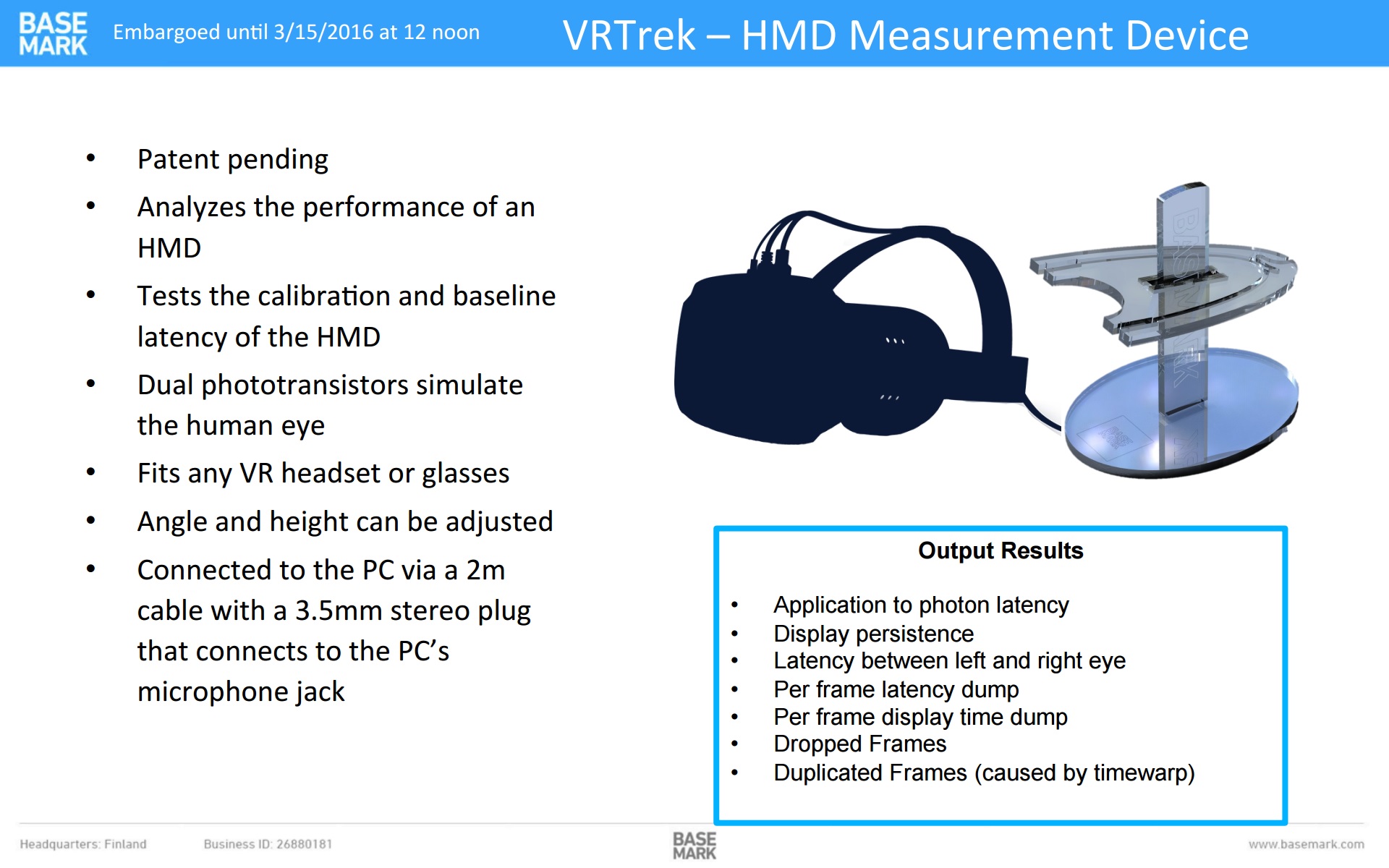
Yes, that’s a 3.5mm plug

After years of us all watching the industry work away at the challenges of a growing platform, we finally are approaching products we can buy off the shelves. Basemark and Crytek have been working to provide us with a benchmark to measure the readiness of our computers for the rigors of VR. While VR will be a very demanding endeavor for quite a long time, VRScore is an available option to measure the readiness of an existing or future system for VR gaming. We are also currently working with a few companies to provide other angles for VR metrics as well. VR has the stage set for a lot of growth in the future, but nothing can be controlled without first being measured. VRScore and other utilities like it will be necessary to find the value in VR systems this year and in years to come.

Related Reading

AMD Announces Radeon Pro Duo: Dual GPU Fiji Video Card For VR Content Creation
EVGA Begins Selling “VR Edition” GeForce GTX Video Cards for VR Gaming Rigs

HTC Vive Will Be Launching In April Priced At $799
Stepping Into the Display: Experiencing HTC Vive
Testing the HTC (Re) Vive with Steam VR

Oculus VR Reveals Retail Price of Its Virtual Reality Headset: $599
Oculus Rift Controllers, VR Games, And Software Features Announced
Oculus VR Posts Recommended System Specs For Rift – Outlines Platform Goals
Oculus Demos Crescent Bay and VR Audio

VRScore: Crytek and Basemark Announce New Benchmark Release

VRScore: Crytek and Basemark Announce New Benchmark Release

Virtual Reality has definitely been playing the slow and steady race for a while now. Thankfully, with the approach of consumer VR headsets going on sale, more of us will be able to see the fruits of years of hard work. One very important aspect of any new consumer product is measuring its capability, and consequently the value. In the case of VR there are many pieces to the chain that can make or break the experience, so as a result Basemark and Crytek have taken that opportunity and teamed up to bring us VRScore, a new VR benchmark, which is being announced and made available to corporate customers today and to consumers later this year.

Basemark and Crytek are collaborating with the goal to create a benchmark that shows how ready consumers are for VR, and the potential that VR could achieve. On one side we have Basemark, who brings their benchmarking pedigree, and on the other side is Crytek who have been a reference point in the world of game engines for over a decade. Last year they began work together on the VRScore benchmark, with the goal being to produce a real world VR benchmark based on a game engine currently in use for production of AAA titles. After being in development for a few months, Basemark and Crytek are ready to announce today that their VRScore benchmark will be available immediately for corporate customers. Consumers will be able to get their hands on the benchmark this June in both a limited free version and a fully functional Pro Version.

With just over 3.5 years between us and the Kickstarter campaign for the Oculus Rift, we are finally on the cusp of enthusiast grade consumer VR coming to market. As has long been established, VR requires a high-resolution display running at a high refresh rate with low input latency. The VR chain can experience latency from the point the user gives input to the application processing that input, then from the application to output the data to the screen. In the mix is also the audio configuration, which by default needs to be positional and reactive. In the case of VR it just so happens that all of this is rolled into one package that isolates you from the outside world, so naturally any weak links in the chain quickly lead to a poor experience. For that reason, VR can require a particular care when preparing a system that will run a VR experience. In both the case of the HTC Vive and the Oculus Rift, the minimum requirements come out to what in today’s market is likely to be around an $800 custom build or more. More than a third of which will have to go into the GPU, which both systems have recommended a NVIDIA GTX 970, AMD R9 290, or better.

The VRScore benchmark supports all major VR headsets. Including the HTC Vive, the Oculus Rift and OSVR. By being built on CryEngine 3, there is support for DirectX 11 and DirectX 12. Along with that, VRScore provides tests for measuring a plethora of metrics that are important for the VR experience: the latency factor, measuring the impact of the HMD and VR audio on the systems performance and also an analysis of the video experience. When these tests are completed then performance numbers for the HMD, GPU, and CPU are given. With these scores, an online database will be provided to see how a given machine compares with friends and others interested in VR.


Yes, that’s a 3.5mm plug

After years of us all watching the industry work away at the challenges of a growing platform, we finally are approaching products we can buy off the shelves. Basemark and Crytek have been working to provide us with a benchmark to measure the readiness of our computers for the rigors of VR. While VR will be a very demanding endeavor for quite a long time, VRScore is an available option to measure the readiness of an existing or future system for VR gaming. We are also currently working with a few companies to provide other angles for VR metrics as well. VR has the stage set for a lot of growth in the future, but nothing can be controlled without first being measured. VRScore and other utilities like it will be necessary to find the value in VR systems this year and in years to come.

Related Reading

AMD Announces Radeon Pro Duo: Dual GPU Fiji Video Card For VR Content Creation
EVGA Begins Selling “VR Edition” GeForce GTX Video Cards for VR Gaming Rigs

HTC Vive Will Be Launching In April Priced At $799
Stepping Into the Display: Experiencing HTC Vive
Testing the HTC (Re) Vive with Steam VR

Oculus VR Reveals Retail Price of Its Virtual Reality Headset: $599
Oculus Rift Controllers, VR Games, And Software Features Announced
Oculus VR Posts Recommended System Specs For Rift – Outlines Platform Goals
Oculus Demos Crescent Bay and VR Audio