News


The Qualcomm Snapdragon 820 Performance Preview: Meet Kryo

I don’t think there’s any way to sugarcoat this, but 2015 has not been a particularly great year for Qualcomm in the high-end SoC business. The company remains a leading SoC developer, but Snapdragon 810, the company’s first ARMv8 AA…

HTC Pushes The HTC Vive Commercial Launch to April 2016

HTC Pushes The HTC Vive Commercial Launch to April 2016

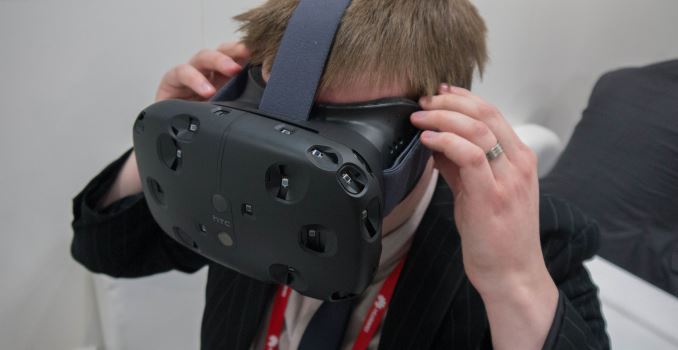
Back in August HTC and Valve announced that the launch of the HTC Vive VR headset would be pushed into Q1 2016, which represented a slight delay from the original planned 2015 launch. While the 2016 launch would represent the time at which the HTC Vive would be widely available for consumers, HTC still planned to get a small number of units into the hands of developers before the end of 2015.

Today it seems that Valve Time has again had an impact on the Vive’s launch progress, with HTC announcing that the headset will be further delayed to April 2016. This puts the consumer launch slightly outside the originally projected Q1 2016 launch timeframe, although only by a month at most. Both HTC and Valve deserve credit for being upfront with the delays rather than waiting for Q1 2016 to end before announcing that the launch date has been pushed back.

While the consumer launch of the HTC Vive is going to be later than expected, HTC has announced that they’re working to get 7000 additional units into the hands of developers at the start of 2016 so there will be content available for the headset by the time it becomes widely available.

HTC Pushes The HTC Vive Commercial Launch to April 2016

HTC Pushes The HTC Vive Commercial Launch to April 2016

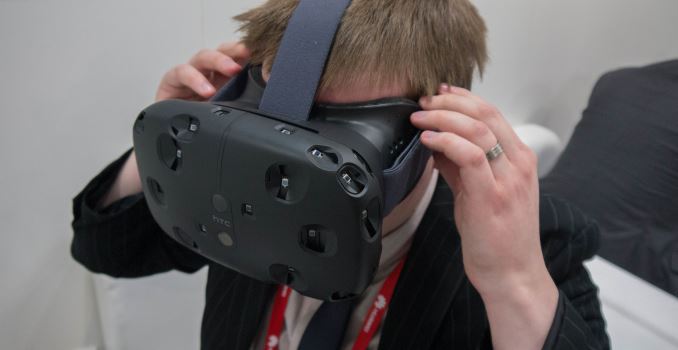
Back in August HTC and Valve announced that the launch of the HTC Vive VR headset would be pushed into Q1 2016, which represented a slight delay from the original planned 2015 launch. While the 2016 launch would represent the time at which the HTC Vive would be widely available for consumers, HTC still planned to get a small number of units into the hands of developers before the end of 2015.

Today it seems that Valve Time has again had an impact on the Vive’s launch progress, with HTC announcing that the headset will be further delayed to April 2016. This puts the consumer launch slightly outside the originally projected Q1 2016 launch timeframe, although only by a month at most. Both HTC and Valve deserve credit for being upfront with the delays rather than waiting for Q1 2016 to end before announcing that the launch date has been pushed back.

While the consumer launch of the HTC Vive is going to be later than expected, HTC has announced that they’re working to get 7000 additional units into the hands of developers at the start of 2016 so there will be content available for the headset by the time it becomes widely available.

Motorola Will Bring Android Marshmallow to the 2015 Moto E In Certain Regions

Motorola Will Bring Android Marshmallow to the 2015 Moto E In Certain Regions

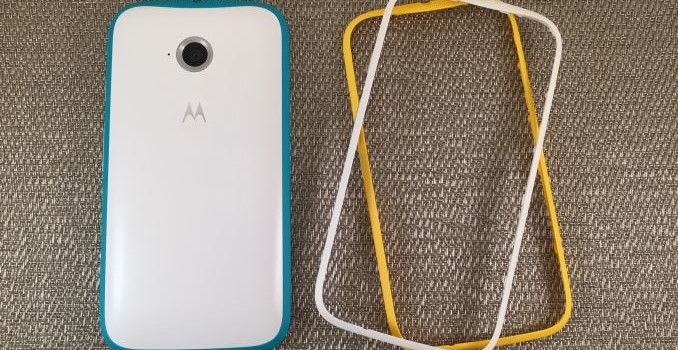
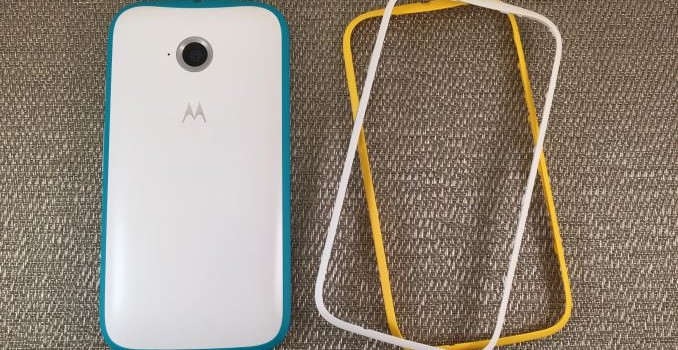
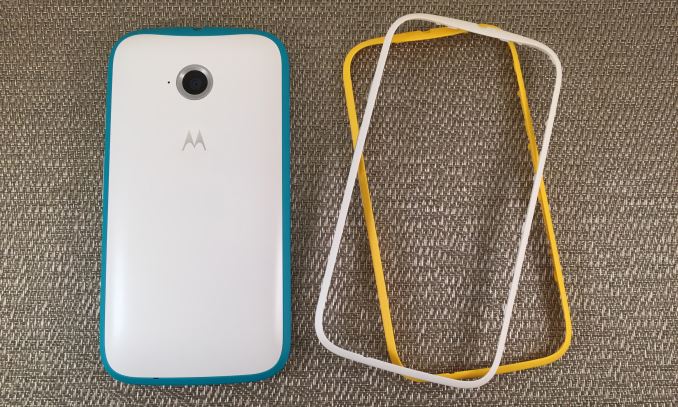
Earlier this year I reviewed the Moto E from Motorola. I felt that the 2015 iteration of the Moto E offered quite a lot for its price, and that it was definitely a device that one should heavily consider when searching for a smartphone priced at around $100. While my recommendation has generally stood since that time, there have been some recent events that made me unsure if I should continue to recommend the 2015 Moto E. Specifically, they related to whether or not the Moto E would receive an update to Android 6.0 Marshmallow.

The trouble began in October, when Motorola published a list of the smartphones they planned to upgrade to Android Marshmallow. The 2015 edition of the Moto E happened to be absent from that list, despite launching with Android 5.0 and only receiving an update to Android 5.1. That would make the Moto E one of the quickest devices to be given end of life status, and it would seemingly break Motorola’s promise when marketing the phone to keep it updated after purchase. Further investigation into Motorola’s marketing materials revealed fine print that specified that it would only be guaranteed to receive one software update. Given than 5.1 mainly existed to resolve bugs that were introduced in 5.0, many felt that this was still breaking the promises made.

Thankfully, it appears that Motorola does plan to upgrade the Moto E to Marshmallow after all, although only in certain regions and only certain versions. Today they have updated their list of devices with planned upgrades to include the 4G LTE version of the Moto E in Canada, Latin America, Europe, and Asia, with China excluded. I’m surprised that the United States isn’t on that list, as it’s unusual to see a product or update come to Canada but not the US. It’s important to note that this refers only to the 4G LTE version of the Moto E which was powered by Snapdragon 410, with the Snapdragon 200 versions still off the update list. In any case, it’s good to see that buyers in a number of regions will see an update to Marshmallow after all on their Moto E.

Motorola via Android Central

Motorola Will Bring Android Marshmallow to the 2015 Moto E In Certain Regions

Motorola Will Bring Android Marshmallow to the 2015 Moto E In Certain Regions

Earlier this year I reviewed the Moto E from Motorola. I felt that the 2015 iteration of the Moto E offered quite a lot for its price, and that it was definitely a device that one should heavily consider when searching for a smartphone priced at around $100. While my recommendation has generally stood since that time, there have been some recent events that made me unsure if I should continue to recommend the 2015 Moto E. Specifically, they related to whether or not the Moto E would receive an update to Android 6.0 Marshmallow.

The trouble began in October, when Motorola published a list of the smartphones they planned to upgrade to Android Marshmallow. The 2015 edition of the Moto E happened to be absent from that list, despite launching with Android 5.0 and only receiving an update to Android 5.1. That would make the Moto E one of the quickest devices to be given end of life status, and it would seemingly break Motorola’s promise when marketing the phone to keep it updated after purchase. Further investigation into Motorola’s marketing materials revealed fine print that specified that it would only be guaranteed to receive one software update. Given than 5.1 mainly existed to resolve bugs that were introduced in 5.0, many felt that this was still breaking the promises made.

Thankfully, it appears that Motorola does plan to upgrade the Moto E to Marshmallow after all, although only in certain regions and only certain versions. Today they have updated their list of devices with planned upgrades to include the 4G LTE version of the Moto E in Canada, Latin America, Europe, and Asia, with China excluded. I’m surprised that the United States isn’t on that list, as it’s unusual to see a product or update come to Canada but not the US. It’s important to note that this refers only to the 4G LTE version of the Moto E which was powered by Snapdragon 410, with the Snapdragon 200 versions still off the update list. In any case, it’s good to see that buyers in a number of regions will see an update to Marshmallow after all on their Moto E.

Motorola via Android Central