Vik


An Introduction to Semiconductor Physics, Technology, and Industry

Learning about semiconductor physics and technology can be a daunting task. While it’s easy enough to understand what a transistor does and some of the terminology thrown around, getting into the deeper aspects of how things work is tough. A great deal of the information on the internet is simply too cryptic to understand, even for those that want to learn. If you’ve wanted a primer to help bridge the gap, read on as we explore the lower level details of semiconductor physics and technology.

Sony Announces the Xperia Z3v for Verizon

Sony Announces the Xperia Z3v for Verizon

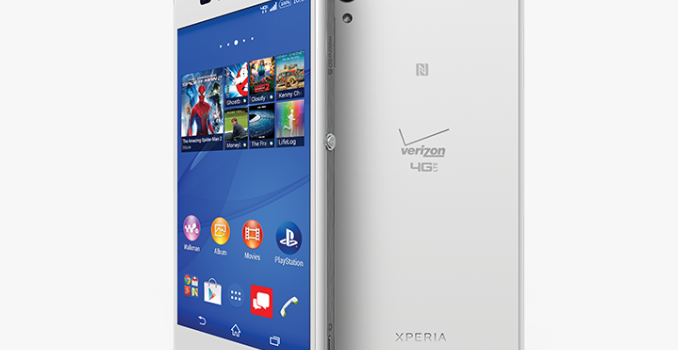
Consumers in the United States have typically been unable to purchase Sony smartphones if their carrier is Verizon. The carrier’s lineup has been devoid of any Xperia offerings for quite some time. One exception was the Xperia Play which launched exclusively on Verizon in the United States 3 years ago. Since then we haven’t seen much in the way of collaboration between the two companies beyond a few tablet launches. That ends today with the launch of the Sony Xperia Z3v on Verizon.

At its core, the Z3v is the same as the Xperia Z3 that Sony unveiled earlier this year at IFA. It’s Sony’s flagship smartphone, with a 5.2″ 1920×1080 IPS display, 3GB of RAM, 32GB of NAND with 128GB MicroSDXC expansion, a 20.7MP camera, and Qualcomm’s MSM8974AC with 4 Krait 400 cores at 2.5GHz.

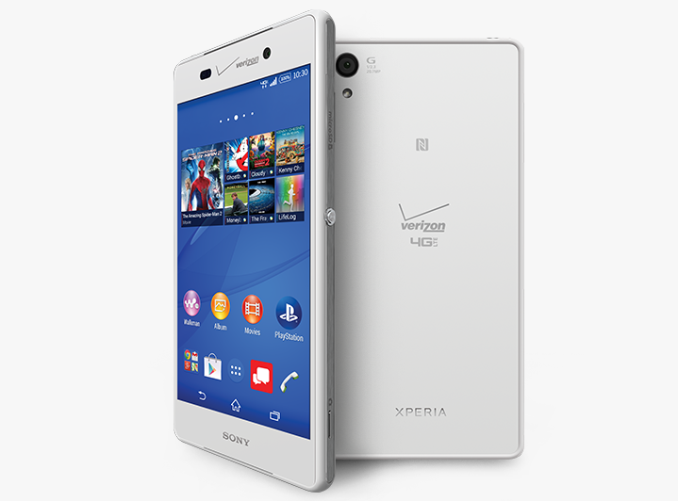
There are a few changes with the Verizon exclusive Z3v. The design of the chassis has some alterations. The sides of the phone in particular are flatter than the international Z3, and because of this the Z3v looks more visually similar to the Xperia Z2 than the Z3. The phone also has a couple of improvements over the Z3. The first is the addition of Qi inductive charging, and the other is a small boost in battery capacity from 11.78Whr to 12.16Whr. 

The Z3v will be launching on October 23 for $199 on a 2 year term. Users who are interested in more information can check out Verizon’s sign up page for the new device.

Sony Announces the Xperia Z3v for Verizon

Sony Announces the Xperia Z3v for Verizon

Consumers in the United States have typically been unable to purchase Sony smartphones if their carrier is Verizon. The carrier’s lineup has been devoid of any Xperia offerings for quite some time. One exception was the Xperia Play which launched exclusively on Verizon in the United States 3 years ago. Since then we haven’t seen much in the way of collaboration between the two companies beyond a few tablet launches. That ends today with the launch of the Sony Xperia Z3v on Verizon.

At its core, the Z3v is the same as the Xperia Z3 that Sony unveiled earlier this year at IFA. It’s Sony’s flagship smartphone, with a 5.2″ 1920×1080 IPS display, 3GB of RAM, 32GB of NAND with 128GB MicroSDXC expansion, a 20.7MP camera, and Qualcomm’s MSM8974AC with 4 Krait 400 cores at 2.5GHz.

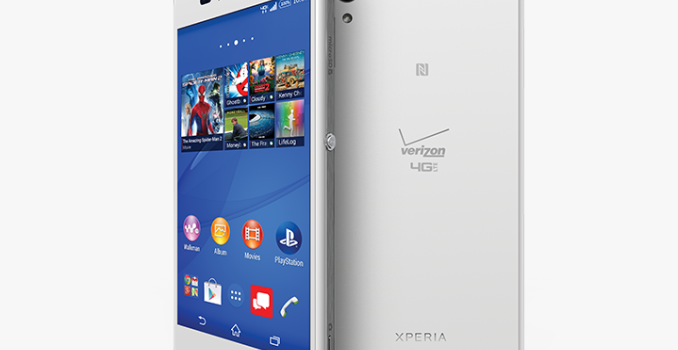
There are a few changes with the Verizon exclusive Z3v. The design of the chassis has some alterations. The sides of the phone in particular are flatter than the international Z3, and because of this the Z3v looks more visually similar to the Xperia Z2 than the Z3. The phone also has a couple of improvements over the Z3. The first is the addition of Qi inductive charging, and the other is a small boost in battery capacity from 11.78Whr to 12.16Whr. 

The Z3v will be launching on October 23 for $199 on a 2 year term. Users who are interested in more information can check out Verizon’s sign up page for the new device.
HTC Silently Adds HTC One (M8 EYE) To Chinese Store

HTC Silently Adds HTC One (M8 EYE) To Chinese Store

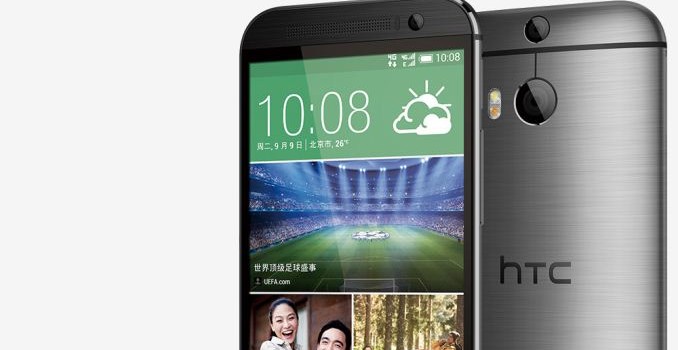
At HTC’s Double Exposure event in New York we saw the launch of the Desire EYE, a smartphone with a serious focus on the camera. HTC has silently put a listing for the HTC One (M8 EYE) on their chinese web store. The HTC One (M8 EYE) is essentially the same as the HTC One (M8) that launched earlier this year, but with one major hardware difference. HTC’s 4MP UltraPixel sensor has been replaced by Sony’s 13MP IMX214, the same sensor used on the HTC Butterfly 2 and the HTC Desire EYE. Unlike the Desire EYE, the front-facing camera is still a 5MP sensor.

Based on the photos on the website, the HTC One (M8 EYE) also has the new HTC EYE Experience features like Face Fusion, HTC Split Capture, and advanced face tracking features for conferencing.

The fact that this is a fairly silent launch from HTC seems to suggest that this may be a device destined only for the Chinese market. 

HTC Silently Adds HTC One (M8 EYE) To Chinese Store

HTC Silently Adds HTC One (M8 EYE) To Chinese Store

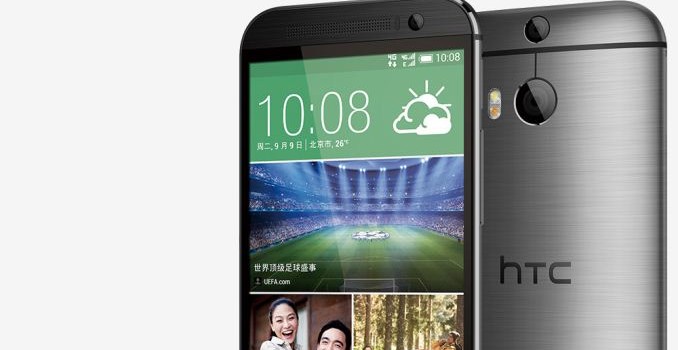
At HTC’s Double Exposure event in New York we saw the launch of the Desire EYE, a smartphone with a serious focus on the camera. HTC has silently put a listing for the HTC One (M8 EYE) on their chinese web store. The HTC One (M8 EYE) is essentially the same as the HTC One (M8) that launched earlier this year, but with one major hardware difference. HTC’s 4MP UltraPixel sensor has been replaced by Sony’s 13MP IMX214, the same sensor used on the HTC Butterfly 2 and the HTC Desire EYE. Unlike the Desire EYE, the front-facing camera is still a 5MP sensor.

Based on the photos on the website, the HTC One (M8 EYE) also has the new HTC EYE Experience features like Face Fusion, HTC Split Capture, and advanced face tracking features for conferencing.

The fact that this is a fairly silent launch from HTC seems to suggest that this may be a device destined only for the Chinese market.