Vik


ASUS ProArt PA32U Display: 4K, 1000 Nits Brightness, 95% DCI-P3, 85% Rec. 2020
ASUS ProArt PA32U Display: 4K, 1000 Nits Brightness, 95% DCI-P3, 85% Rec. 2020

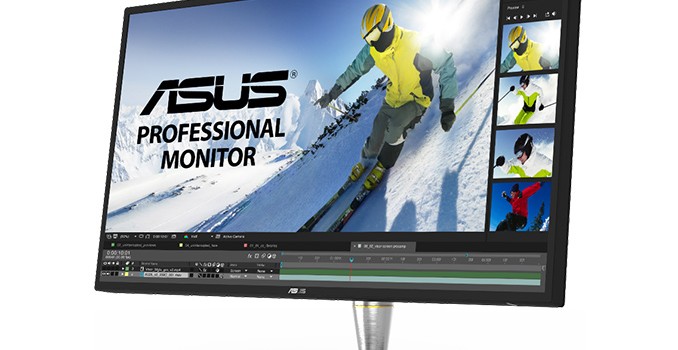
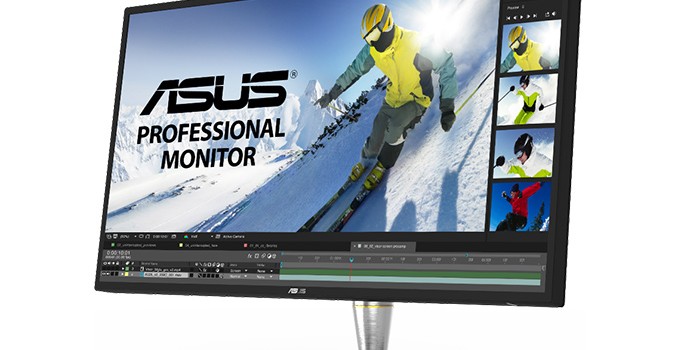
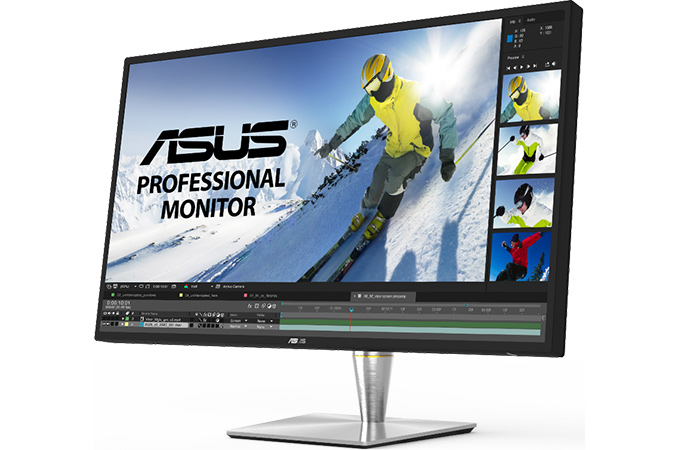
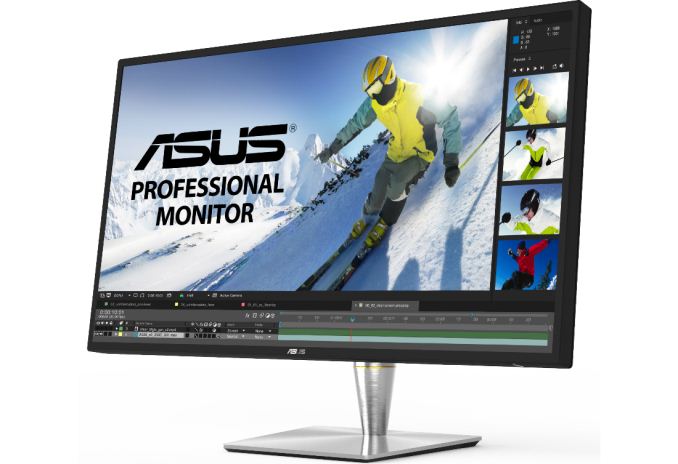
ASUS introduced a new professional-grade monitor at CES this week. The unit supports a 4K (UHD) resolution, HDR10, a very high brightness and an astonishing range of color gamuts required by artists, designers, photographers and video professionals today, including the Rec. 2020 (BT.2020) standard. The ProArt PA32U will be available in the second half of this year at a rather hefty price tag, as you can imagine. In addition, ASUS announced its ProArt PA27AQ monitor aimed at the entry level segment of the professional market.

The ASUS ProArt PA32U uses a 4K UHD panel with HDR capabilities, a quantum dot film and a special backlight featuring 384 LED zones that enable 1000-nit brightness and support for local dimming. The manufacturer notes that its new panel with quantum dots, backlighting and calibration enable the monitor to cover 99.5% of the Adobe RGB, 85% of the Rec. 2020, 100% of the sRGB and 95% of the DCI-P3 color spaces, which makes the display particularly appealing to artists and photographers (Adobe RGB) as well as to video editors and animation designers who do post-production work for digital cinema or TV (DCI-P3 and BT.2020). The number of features, as well as the use of quantum dot technology, represents an interesting combination for a professional display. Moreover, it looks like the ASUS ProArt PA32U will be one of the first mass-market monitors supporting the Rec. 2020 color gamut at all and covering 85% of it.

The ASUS ProArt Displays Specifications
  ProArt PA32U ProArt PA27AQ
Panel 32″ with quantum dots 27″ IPS
Native Resolution 4K 2560 × 1440
Maximum Refresh Rate 60 Hz (?)
Brightness 1000 cd/m² unknown
Contrast high unknown
Viewing Angles 178°/178° horizontal/vertical (?)
Pixel Pitch 0.185 mm 0.233 mm
Pixel Density 138 ppi 109 ppi
Anti-Glare Coating Yes (?)
Color Gamut Adobe RGB: 99.5%
DCI-P3: 95%
sRGB: 100%
Rec. 2020: 85%
sRGB: 100%
Inputs 1 × Thunderbolt 3
1 × DP 1.2 (?)
1 × Thunderbolt 3
1 × DP 1.2 (?)
Extras ASUS ProArt Calibration with color parameters saved locally

The ProArt PA32U monitor will be calibrated at the factory, but people with appropriate equipment will be able to further tune them their particular needs. The ProArt PA32U stores all the color parameters locally (and not on the PC), so users will be able to use it with different devices without the necessity to recalibrate it. This will be particularly valuable for those who works on Apple macOS and Microsoft Windows platforms. To hook up the monitor to either PC, the PA32U is equipped with a Thunderbolt 3 input (which means DP 1.2 over a USB-C cable), but we do not know whether other ports are supported.

Since this is a preliminary announcement, ASUS does not disclose whether it uses an IPS or VA panel, or if the TFT is ASi or IGZO (like it used for its previous-generation flagship professional display) for its PA32U as well as details about the LUTs (look-up-tables), refresh rate and so on. We do understand that the panel is an LCD based on usage of quantum dots and high, but not prohibitively high, price.

For people who do not need 4K UHD resolution, Rec. 2020 or DCI-P3 color spaces and HDR, ASUS plans to offer its 27” ProArt PA27 AQ monitor with 2560 × 1440 resolution, sRGB color gamut and Thunderbolt 3 input. The monitor will also come pre-calibrated and will support the same ProArt Calibration features as its bigger brother (color-accuracy tuning, uniformity compensation local store of parameters, etc.).

The ASUS ProArt PA32U will be available in Q3 2017 for $1799 – $1999.

Pricing of the ProArt PA27AQ (as well as its availability timeframe) are unknown.
Related Reading:

ASUS ProArt PA32U Display: 4K, 1000 Nits Brightness, 95% DCI-P3, 85% Rec. 2020

ASUS ProArt PA32U Display: 4K, 1000 Nits Brightness, 95% DCI-P3, 85% Rec. 2020

ASUS introduced a new professional-grade monitor at CES this week. The unit supports a 4K (UHD) resolution, HDR10, a very high brightness and an astonishing range of color gamuts required by artists, designers, photographers and video professionals today, including the Rec. 2020 (BT.2020) standard. The ProArt PA32U will be available in the second half of this year at a rather hefty price tag, as you can imagine. In addition, ASUS announced its ProArt PA27AQ monitor aimed at the entry level segment of the professional market.

The ASUS ProArt PA32U uses a 4K UHD panel with HDR capabilities, a quantum dot film and a special backlight featuring 384 LED zones that enable 1000-nit brightness and support for local dimming. The manufacturer notes that its new panel with quantum dots, backlighting and calibration enable the monitor to cover 99.5% of the Adobe RGB, 85% of the Rec. 2020, 100% of the sRGB and 95% of the DCI-P3 color spaces, which makes the display particularly appealing to artists and photographers (Adobe RGB) as well as to video editors and animation designers who do post-production work for digital cinema or TV (DCI-P3 and BT.2020). The number of features, as well as the use of quantum dot technology, represents an interesting combination for a professional display. Moreover, it looks like the ASUS ProArt PA32U will be one of the first mass-market monitors supporting the Rec. 2020 color gamut at all and covering 85% of it.

The ASUS ProArt Displays Specifications
  ProArt PA32U ProArt PA27AQ
Panel 32″ with quantum dots 27″ IPS
Native Resolution 4K 2560 × 1440
Maximum Refresh Rate 60 Hz (?)
Brightness 1000 cd/m² unknown
Contrast high unknown
Viewing Angles 178°/178° horizontal/vertical (?)
Pixel Pitch 0.185 mm 0.233 mm
Pixel Density 138 ppi 109 ppi
Anti-Glare Coating Yes (?)
Color Gamut Adobe RGB: 99.5%
DCI-P3: 95%
sRGB: 100%
Rec. 2020: 85%
sRGB: 100%
Inputs 1 × Thunderbolt 3
1 × DP 1.2 (?)
1 × Thunderbolt 3
1 × DP 1.2 (?)
Extras ASUS ProArt Calibration with color parameters saved locally

The ProArt PA32U monitor will be calibrated at the factory, but people with appropriate equipment will be able to further tune them their particular needs. The ProArt PA32U stores all the color parameters locally (and not on the PC), so users will be able to use it with different devices without the necessity to recalibrate it. This will be particularly valuable for those who works on Apple macOS and Microsoft Windows platforms. To hook up the monitor to either PC, the PA32U is equipped with a Thunderbolt 3 input (which means DP 1.2 over a USB-C cable), but we do not know whether other ports are supported.

Since this is a preliminary announcement, ASUS does not disclose whether it uses an IPS or VA panel, or if the TFT is ASi or IGZO (like it used for its previous-generation flagship professional display) for its PA32U as well as details about the LUTs (look-up-tables), refresh rate and so on. We do understand that the panel is an LCD based on usage of quantum dots and high, but not prohibitively high, price.

For people who do not need 4K UHD resolution, Rec. 2020 or DCI-P3 color spaces and HDR, ASUS plans to offer its 27” ProArt PA27 AQ monitor with 2560 × 1440 resolution, sRGB color gamut and Thunderbolt 3 input. The monitor will also come pre-calibrated and will support the same ProArt Calibration features as its bigger brother (color-accuracy tuning, uniformity compensation local store of parameters, etc.).

The ASUS ProArt PA32U will be available in Q3 2017 for $1799 – $1999.

Pricing of the ProArt PA27AQ (as well as its availability timeframe) are unknown.

Related Reading:

ASUS VivoPC X: Core i5, GeForce GTX 1060, 512 GB SSD, 5-Liter Chassis, $799

ASUS VivoPC X: Core i5, GeForce GTX 1060, 512 GB SSD, 5-Liter Chassis, $799

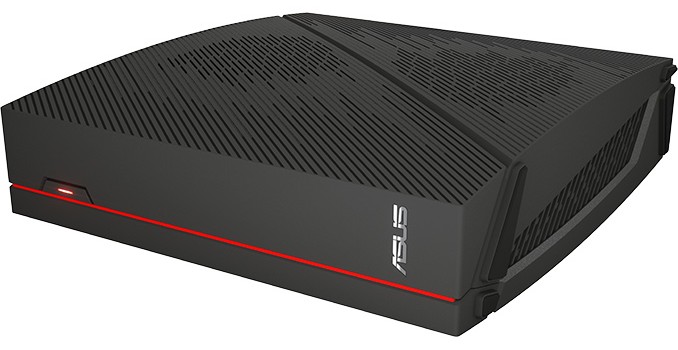
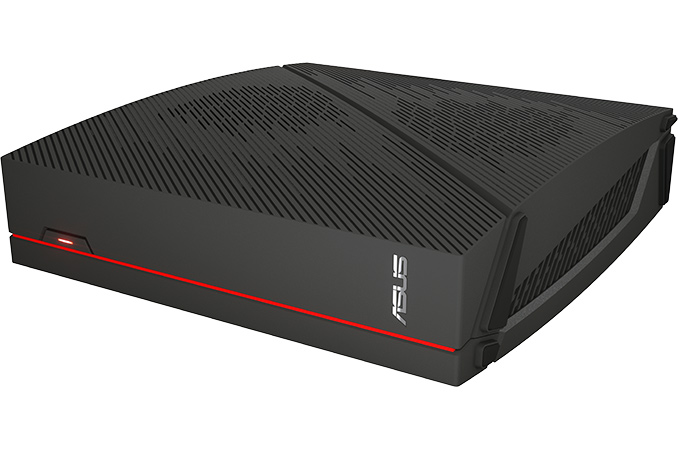
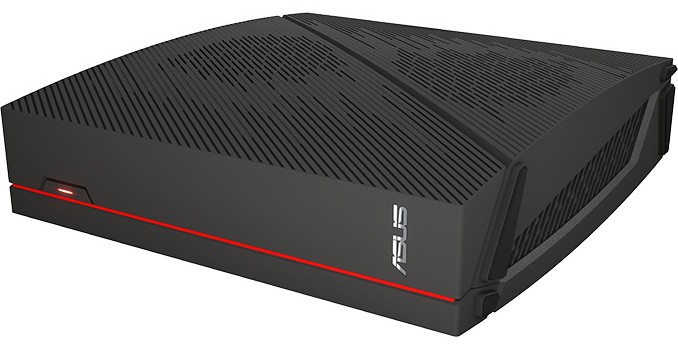
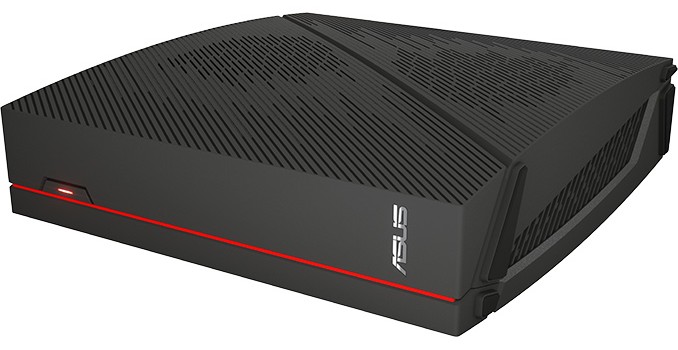
ASUS at CES has introduced its new game console-like PC that weds relatively high performance, compact dimensions and a moderate price tag. The new VivoPC X packs Intel Core i5 CPU and NVIDIA GeForce GTX GPU into a 5-liter chassis.

Traditionally, ASUS has positioned its Vivo-series computers as miniature PCs for mainstream tasks, whereas ROG systems were designed for gamers and multimedia enthusiasts. With the release of the VivoPC X, the computer maker changes that positioning and offers an SFF gaming-grade system under the Vivo brand. The reasons for the decision are simple: sales of small form-factor PCs are growing and so are sales of machines for gamers. ASUS wanted to address both markets with computers at more or less mainstream prices and the VivoPC X is a result of this decision. The mini PC is positioned below the ROG GR8 II and its performance is lower, however, ASUS thinks that the combination of price and performance will satisfy many people looking for a console-like gaming PC.

The ASUS VivoPC X M80 is based on the Intel Core i5-7300HQ (4C/4T, 2.5 GHz/3.5 GHz, 6 MB cache, HD Graphics 630, 45 W) mobile processor, the Intel HM175 PCH as well as NVIDIA’s GeForce GTX 1060 graphics processor with G-Sync support. Since many gamers demand to have the performance of an SSD and capacity of a hard drive, the system will be equipped with a 512 GB M.2 SATA SSD as well as a 2 TB HDD with 7200 RPM spindle speed. The PC also comes with 8 GB of DDR4-2133 memory. To cool down the system components, ASUS uses a custom cooling system consisting of a blower for the GPU and a large aluminum heatsink for the CPU.

ASUS VivoPC X Specifications
  M80
CPU Intel Core i5-7300HQ
Quad Core
2.5 GHz/3.5 GHz
6 MB cache
HD Graphics 630
PCH Intel HM175
Graphics NVIDIA GeForce GTX 1060 with GDDR5 memory
Memory  8 GB of DDR4-2133
Storage 512 GB SSD (SATA)
2 TB 2.5″ HDD (7200 RPM)
Wi-Fi IEEE 802.11ac Wi-Fi + BT 4.1
Ethernet GbE
Display Outputs 2 × HDMI 2.0b
1 × DisplayPort
Audio 5.1-channel audio
USB 4 × USB 3.0 Type-A (5 Gbps)
2 × USB 2.0 Type-A
Other I/O
Dimensions 75.94 mm × 259.8 mm × 279.9 mm
2.99 × 10.23 × 11.02 inches
PSU 230 W
OS Windows 10

When it comes to connectivity, the ASUS VivoPC X has four USB 3.0 Type-A ports, two USB 2.0 headers, Gigabit Ethernet, an IEEE 802.11ac Wi-Fi with BT 4.1 module, three display outputs (two HDMI and one DisplayPort), 5.1-channel audio with Sonic Suite software enhancements and so on.

The computer uses mobile PC components in a bid to keep its physical size small and power consumption low: its volume is about five liters and its power consumption is less than 230 W (it uses an external power brick to feed itself). Meanwhile, usage of such components also means that its future upgrades will be rather complicated if possible at all (for example, the GPU is soldered to the motherboard and is thus not upgradeable).

The ASUS VivoPC X will be available in March, 2017, for $799.

Related Reading:

ASUS VivoPC X: Core i5, GeForce GTX 1060, 512 GB SSD, 5-Liter Chassis, $799

ASUS VivoPC X: Core i5, GeForce GTX 1060, 512 GB SSD, 5-Liter Chassis, $799

ASUS at CES has introduced its new game console-like PC that weds relatively high performance, compact dimensions and a moderate price tag. The new VivoPC X packs Intel Core i5 CPU and NVIDIA GeForce GTX GPU into a 5-liter chassis.

Traditionally, ASUS has positioned its Vivo-series computers as miniature PCs for mainstream tasks, whereas ROG systems were designed for gamers and multimedia enthusiasts. With the release of the VivoPC X, the computer maker changes that positioning and offers an SFF gaming-grade system under the Vivo brand. The reasons for the decision are simple: sales of small form-factor PCs are growing and so are sales of machines for gamers. ASUS wanted to address both markets with computers at more or less mainstream prices and the VivoPC X is a result of this decision. The mini PC is positioned below the ROG GR8 II and its performance is lower, however, ASUS thinks that the combination of price and performance will satisfy many people looking for a console-like gaming PC.

The ASUS VivoPC X M80 is based on the Intel Core i5-7300HQ (4C/4T, 2.5 GHz/3.5 GHz, 6 MB cache, HD Graphics 630, 45 W) mobile processor, the Intel HM175 PCH as well as NVIDIA’s GeForce GTX 1060 graphics processor with G-Sync support. Since many gamers demand to have the performance of an SSD and capacity of a hard drive, the system will be equipped with a 512 GB M.2 SATA SSD as well as a 2 TB HDD with 7200 RPM spindle speed. The PC also comes with 8 GB of DDR4-2133 memory. To cool down the system components, ASUS uses a custom cooling system consisting of a blower for the GPU and a large aluminum heatsink for the CPU.

ASUS VivoPC X Specifications
  M80
CPU Intel Core i5-7300HQ
Quad Core
2.5 GHz/3.5 GHz
6 MB cache
HD Graphics 630
PCH Intel HM175
Graphics NVIDIA GeForce GTX 1060 with GDDR5 memory
Memory  8 GB of DDR4-2133
Storage 512 GB SSD (SATA)
2 TB 2.5″ HDD (7200 RPM)
Wi-Fi IEEE 802.11ac Wi-Fi + BT 4.1
Ethernet GbE
Display Outputs 2 × HDMI 2.0b
1 × DisplayPort
Audio 5.1-channel audio
USB 4 × USB 3.0 Type-A (5 Gbps)
2 × USB 2.0 Type-A
Other I/O
Dimensions 75.94 mm × 259.8 mm × 279.9 mm
2.99 × 10.23 × 11.02 inches
PSU 230 W
OS Windows 10

When it comes to connectivity, the ASUS VivoPC X has four USB 3.0 Type-A ports, two USB 2.0 headers, Gigabit Ethernet, an IEEE 802.11ac Wi-Fi with BT 4.1 module, three display outputs (two HDMI and one DisplayPort), 5.1-channel audio with Sonic Suite software enhancements and so on.

The computer uses mobile PC components in a bid to keep its physical size small and power consumption low: its volume is about five liters and its power consumption is less than 230 W (it uses an external power brick to feed itself). Meanwhile, usage of such components also means that its future upgrades will be rather complicated if possible at all (for example, the GPU is soldered to the motherboard and is thus not upgradeable).

The ASUS VivoPC X will be available in March, 2017, for $799.

Related Reading:

ASUS VivoPC X: Core i5, GeForce GTX 1060, 512 GB SSD, 5-Liter Chassis, $799

ASUS VivoPC X: Core i5, GeForce GTX 1060, 512 GB SSD, 5-Liter Chassis, $799

ASUS at CES has introduced its new game console-like PC that weds relatively high performance, compact dimensions and a moderate price tag. The new VivoPC X packs Intel Core i5 CPU and NVIDIA GeForce GTX GPU into a 5-liter chassis.

Traditionally, ASUS has positioned its Vivo-series computers as miniature PCs for mainstream tasks, whereas ROG systems were designed for gamers and multimedia enthusiasts. With the release of the VivoPC X, the computer maker changes that positioning and offers an SFF gaming-grade system under the Vivo brand. The reasons for the decision are simple: sales of small form-factor PCs are growing and so are sales of machines for gamers. ASUS wanted to address both markets with computers at more or less mainstream prices and the VivoPC X is a result of this decision. The mini PC is positioned below the ROG GR8 II and its performance is lower, however, ASUS thinks that the combination of price and performance will satisfy many people looking for a console-like gaming PC.

The ASUS VivoPC X M80 is based on the Intel Core i5-7300HQ (4C/4T, 2.5 GHz/3.5 GHz, 6 MB cache, HD Graphics 630, 45 W) mobile processor, the Intel HM175 PCH as well as NVIDIA’s GeForce GTX 1060 graphics processor with G-Sync support. Since many gamers demand to have the performance of an SSD and capacity of a hard drive, the system will be equipped with a 512 GB M.2 SATA SSD as well as a 2 TB HDD with 7200 RPM spindle speed. The PC also comes with 8 GB of DDR4-2133 memory. To cool down the system components, ASUS uses a custom cooling system consisting of a blower for the GPU and a large aluminum heatsink for the CPU.

ASUS VivoPC X Specifications
  M80
CPU Intel Core i5-7300HQ
Quad Core
2.5 GHz/3.5 GHz
6 MB cache
HD Graphics 630
PCH Intel HM175
Graphics NVIDIA GeForce GTX 1060 with GDDR5 memory
Memory  8 GB of DDR4-2133
Storage 512 GB SSD (SATA)
2 TB 2.5″ HDD (7200 RPM)
Wi-Fi IEEE 802.11ac Wi-Fi + BT 4.1
Ethernet GbE
Display Outputs 2 × HDMI 2.0b
1 × DisplayPort
Audio 5.1-channel audio
USB 4 × USB 3.0 Type-A (5 Gbps)
2 × USB 2.0 Type-A
Other I/O
Dimensions 75.94 mm × 259.8 mm × 279.9 mm
2.99 × 10.23 × 11.02 inches
PSU 230 W
OS Windows 10

When it comes to connectivity, the ASUS VivoPC X has four USB 3.0 Type-A ports, two USB 2.0 headers, Gigabit Ethernet, an IEEE 802.11ac Wi-Fi with BT 4.1 module, three display outputs (two HDMI and one DisplayPort), 5.1-channel audio with Sonic Suite software enhancements and so on.

The computer uses mobile PC components in a bid to keep its physical size small and power consumption low: its volume is about five liters and its power consumption is less than 230 W (it uses an external power brick to feed itself). Meanwhile, usage of such components also means that its future upgrades will be rather complicated if possible at all (for example, the GPU is soldered to the motherboard and is thus not upgradeable).

The ASUS VivoPC X will be available in March, 2017, for $799.

Related Reading: