Vik


The SD Card Association to Classify IOPS Performance of Memory Cards via Logo

The SD Card Association to Classify IOPS Performance of Memory Cards via Logo

The SD Association this week announced the SD Specification 5.1, which will introduce the so-called Application Performance Classes that will specify minimum read and write IOPS performance supported by the upcoming SD cards. The App Performance Classes are designed to help end users to ensure that memory cards they get are capable of providing decent experience when running applications.

When Panasonic, SanDisk and Toshiba developed the Secure Digital card standard in the late 1990s, their main goal was to create miniature removable devices to store multimedia files (music, images, short videos, etc.) and even operating systems that would be more versatile than MMC cards and would offer a path for future evolution. Over time, SD cards have increased capacity, improved sequential performance and even gained new interleaving modes to enable new usage models (such as recording of 360° videos or multiple video streams at once). In today’s climate, usage patterns of SD cards by different people vary greatly. Some need to record and store UHD content, other need to run applications, which is why the former benefit from great sequential performance, whereas the latter need guaranteed sequential and random read/write performance.
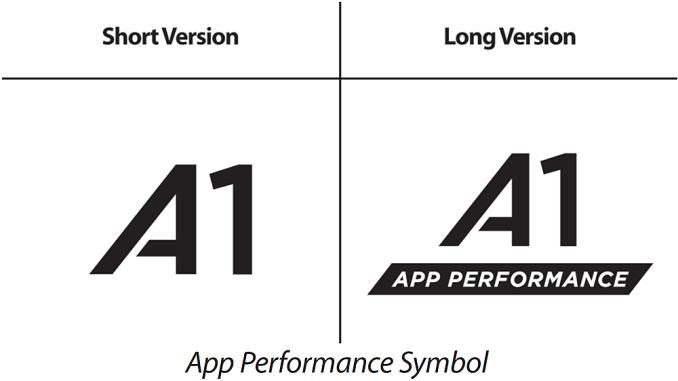
Earlier this year the SD Association released the Secure Digital 5.0 specification that takes into account large block sizes of modern NAND flash chips and introduces the new Video Speed Class labels that define minimum write speeds supported by certain cards. Now the SD 5.1 spec introduces App Performance Classes that express minimum sustained sequential performance as well as random read and write IOPS performance. The first defined class is known as A1.

App Performance Class 1 (A1) Minimum Performance Measures
Sequential Read IOPS Write IOPS
10 MB/s 1500 500

The SD 5.1 defines the App Performance Class 1 (described with one of the A1 symbols) to require SD cards to provide a sustained sequential performance of 10 MB/s, a performance of 1500 random read IOPS as well as 500 random write IOPS. Eventually, the SD Association plans to introduce higher App Performance levels when the market requires. It should be noted that levels of performance of the App Performance Classes are only guaranteed on devices that comply with the SD 5.1 specifications, and are not general catch-all performance certification. As a result, owners of contemporary devices can get new cards and then test them using Google’s benchmark for SD cards to ensure that their performance is sufficient for running apps (or just check out third-party tests of SD cards).

SD Card Performance Comparison
Minimum Sequential Write Speed Speed Class UHS Speed Class Video Speed Class App Performance Class
90 MB/s   V90  
60 MB/s V60  
30 MB/s   3 V30  
10 MB/s 1 V10 A1
6 MB/s 6   V6  
4 MB/s 4    
2 MB/s 2

As it usually happens with SD cards, other SD-defined labels (e.g., UHS Speed Class, Video Speed Class, etc.) that determine other characteristics of devices will accompany the new A1 labels. In fact, 10 MB/s sequential performance mandated by the App Performance Class 1 is not too high and various SD cards carrying the UHS Speed Class 1 (as well as the VSC V10) labels offer this level of performance by specification anyway. Meanwhile, the A1 label is the first to ensure that random IOPS performance is sufficient for apps designed with this performance class in mind.

Related Reading:

The SD Card Association to Classify IOPS Performance of Memory Cards via Logo

The SD Card Association to Classify IOPS Performance of Memory Cards via Logo

The SD Association this week announced the SD Specification 5.1, which will introduce the so-called Application Performance Classes that will specify minimum read and write IOPS performance supported by the upcoming SD cards. The App Performance Classes are designed to help end users to ensure that memory cards they get are capable of providing decent experience when running applications.

When Panasonic, SanDisk and Toshiba developed the Secure Digital card standard in the late 1990s, their main goal was to create miniature removable devices to store multimedia files (music, images, short videos, etc.) and even operating systems that would be more versatile than MMC cards and would offer a path for future evolution. Over time, SD cards have increased capacity, improved sequential performance and even gained new interleaving modes to enable new usage models (such as recording of 360° videos or multiple video streams at once). In today’s climate, usage patterns of SD cards by different people vary greatly. Some need to record and store UHD content, other need to run applications, which is why the former benefit from great sequential performance, whereas the latter need guaranteed sequential and random read/write performance.

Earlier this year the SD Association released the Secure Digital 5.0 specification that takes into account large block sizes of modern NAND flash chips and introduces the new Video Speed Class labels that define minimum write speeds supported by certain cards. Now the SD 5.1 spec introduces App Performance Classes that express minimum sustained sequential performance as well as random read and write IOPS performance. The first defined class is known as A1.

App Performance Class 1 (A1) Minimum Performance Measures
Sequential Read IOPS Write IOPS
10 MB/s 1500 500

The SD 5.1 defines the App Performance Class 1 (described with one of the A1 symbols) to require SD cards to provide a sustained sequential performance of 10 MB/s, a performance of 1500 random read IOPS as well as 500 random write IOPS. Eventually, the SD Association plans to introduce higher App Performance levels when the market requires. It should be noted that levels of performance of the App Performance Classes are only guaranteed on devices that comply with the SD 5.1 specifications, and are not general catch-all performance certification. As a result, owners of contemporary devices can get new cards and then test them using Google’s benchmark for SD cards to ensure that their performance is sufficient for running apps (or just check out third-party tests of SD cards).

SD Card Performance Comparison
Minimum Sequential Write Speed Speed Class UHS Speed Class Video Speed Class App Performance Class
90 MB/s   V90  
60 MB/s V60  
30 MB/s   3 V30  
10 MB/s 1 V10 A1
6 MB/s 6   V6  
4 MB/s 4    
2 MB/s 2

As it usually happens with SD cards, other SD-defined labels (e.g., UHS Speed Class, Video Speed Class, etc.) that determine other characteristics of devices will accompany the new A1 labels. In fact, 10 MB/s sequential performance mandated by the App Performance Class 1 is not too high and various SD cards carrying the UHS Speed Class 1 (as well as the VSC V10) labels offer this level of performance by specification anyway. Meanwhile, the A1 label is the first to ensure that random IOPS performance is sufficient for apps designed with this performance class in mind.

Related Reading:

The OnePlus 3T Review

Back in June, OnePlus launched their new flagship smartphone, the OnePlus 3. I’ve had an interesting relationship with the OnePlus 3 due to certain decisions that were made regarding its display and some parts of the operating system before the phone initially launched. Since that time, OnePlus has made significant improvements to both of these aspects, and in my follow-up piece I concluded that the OnePlus 3 should be considered by all smartphone buyers, even ones who were ready to pay $700 or $800 for a flagship phone from another company.

Earlier this month OnePlus surprised a number of people in the Android community by launching a successor to the OnePlus 3. This move isn’t in line with the yearly cadence that we’ve come to expect for their smartphones, which makes it all the more interesting. The name of this new phone is the OnePlus 3T, and based on that name one can already see that it represents an evolution of the OnePlus 3 rather than a revolutionary upgrade. As the OnePlus 3’s successor, the OnePlus 3T simply serves to update certain aspects of the phone’s hardware in order to take advantage of technology improvements that have been made available since the OnePlus 3 was originally developed and released. Read on for the full AnandTech review of the OnePlus 3T.

The OnePlus 3T Review

Back in June, OnePlus launched their new flagship smartphone, the OnePlus 3. I’ve had an interesting relationship with the OnePlus 3 due to certain decisions that were made regarding its display and some parts of the operating system before the phone initially launched. Since that time, OnePlus has made significant improvements to both of these aspects, and in my follow-up piece I concluded that the OnePlus 3 should be considered by all smartphone buyers, even ones who were ready to pay $700 or $800 for a flagship phone from another company.

Earlier this month OnePlus surprised a number of people in the Android community by launching a successor to the OnePlus 3. This move isn’t in line with the yearly cadence that we’ve come to expect for their smartphones, which makes it all the more interesting. The name of this new phone is the OnePlus 3T, and based on that name one can already see that it represents an evolution of the OnePlus 3 rather than a revolutionary upgrade. As the OnePlus 3’s successor, the OnePlus 3T simply serves to update certain aspects of the phone’s hardware in order to take advantage of technology improvements that have been made available since the OnePlus 3 was originally developed and released. Read on for the full AnandTech review of the OnePlus 3T.